500 Best Pet Safe for Pontal do Paraná | 2026 Guide - Page 8
The 500 best pet safe to grow in Pontal do Paraná. Ideal climate: 22.2°C, 84.5% humidity.
500 Pet Safe for Pontal do Paraná
Showing 253-288 of 500
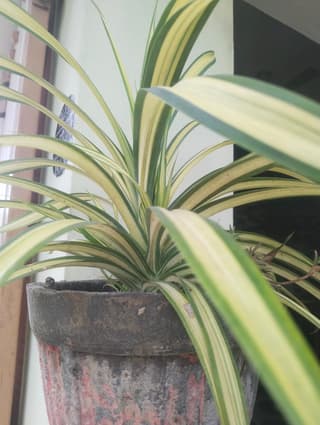
Spider Plant (genus)
Chlorophytum
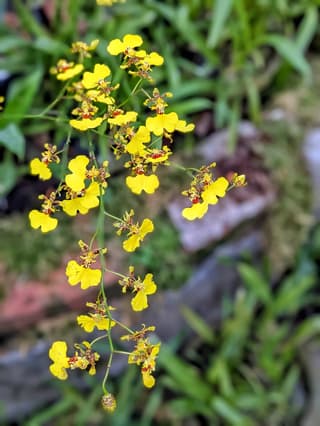
Golden Shower Orchid
Oncidium varicosum
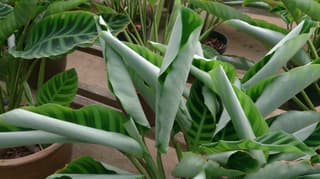
Zebra Plant
Calathea zebrina
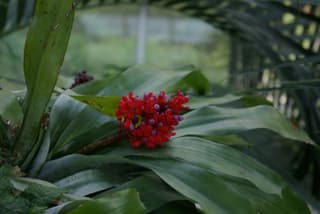
Coral Berry Bromeliad
Aechmea fulgens
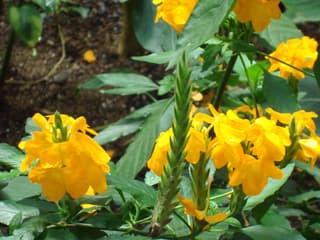
Firecracker Flower
Crossandra infundibuliformis
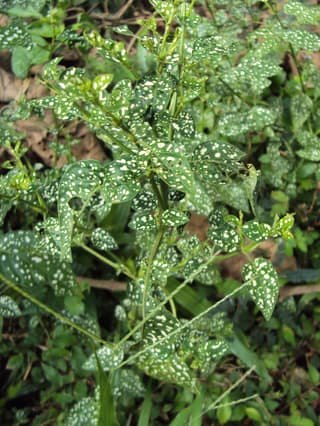
Polka Dot Plant
Hypoestes phyllostachya
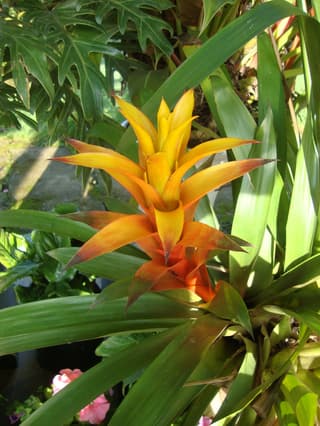
Scarlet Star
Guzmania lingulata
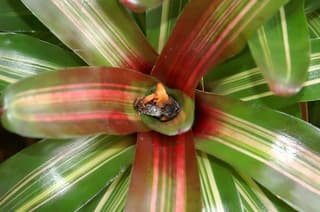
Blushing Bromeliad
Neoregelia carolinae
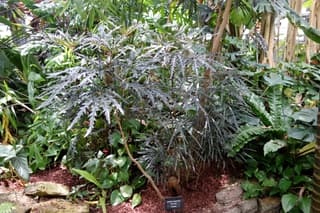
False Aralia
Plerandra elegantissima
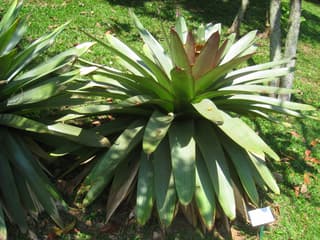
Imperial Bromeliad
Alcantarea imperialis
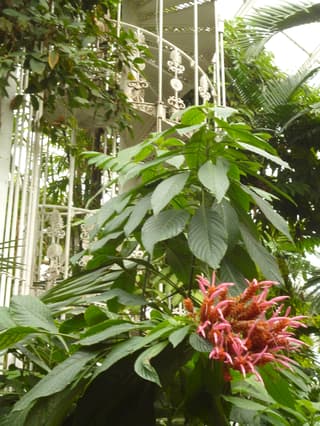
Coral Aphelandra
Aphelandra sinclairiana
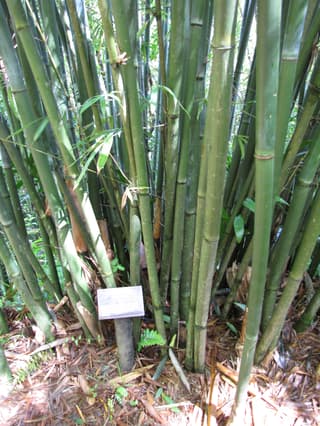
Slender Weavers Bamboo
Bambusa textilis gracili
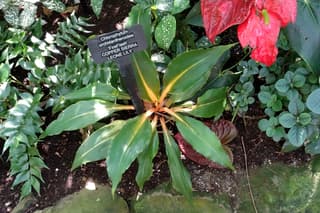
Mandarin Plant
Chlorophytum orchidastrum
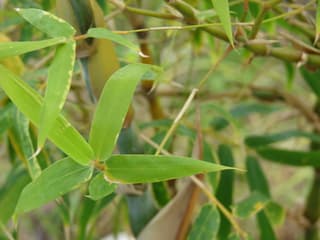
Buddha Belly Bamboo
Bambusa ventricosa
Canna Lily
Canna x generalis
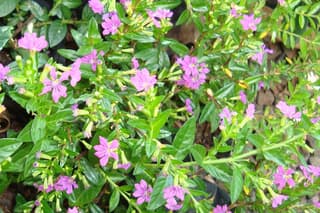
Slender Cuphea
Cuphea gracilis
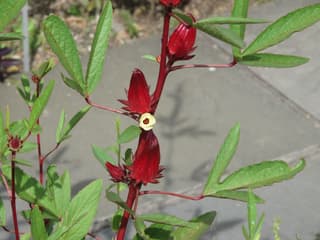
Roselle
Hibiscus sabdariffa
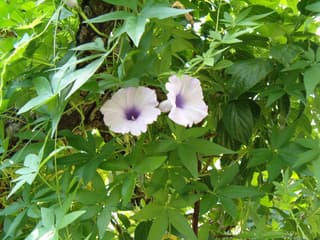
Mile-a-minute vine
Ipomoea cairica
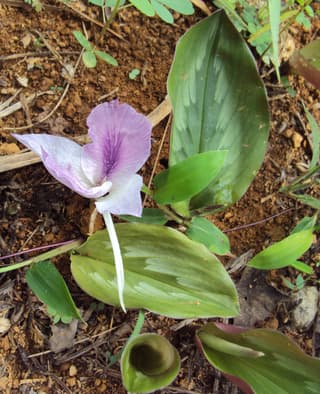
Resurrection Lily
Kaempferia rotunda
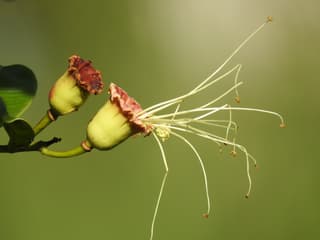
Thimble Tree
Lafoensia pacari
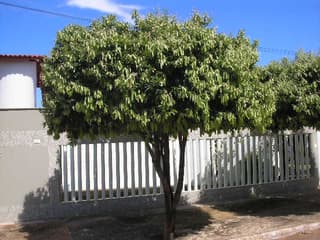
Oiti Tree
Licania tomentosa
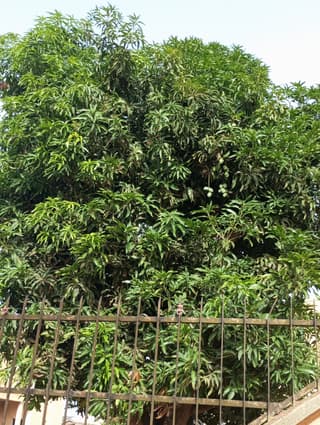
Mango Tree
Mangifera indica
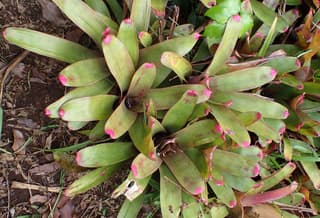
Blushing Bromeliad
Neoregelia sp
Deceiver
Laccaria laccata
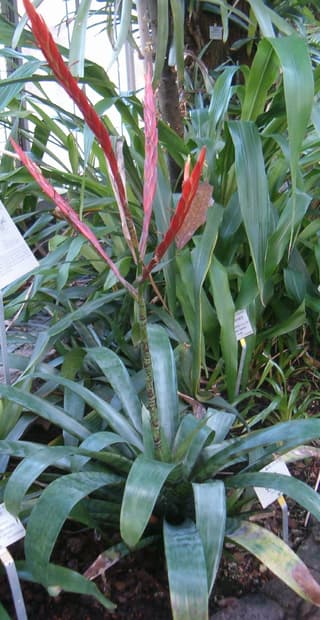
Flaming Sword Bromeliad
Lutheria
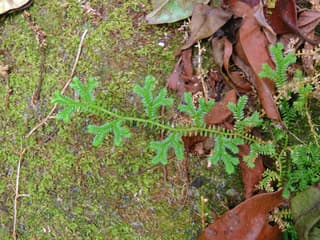
Spikemoss
Selaginella
Black Bulgur
Bulgaria inquinans
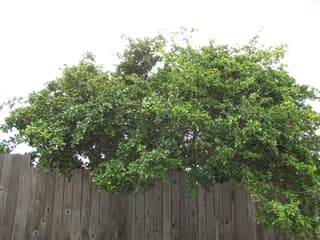
Barbados cherry
Malpighia emarginata
Warty Knight
Melanoleuca verrucipes
Cedar Cup
Geopora sumneriana
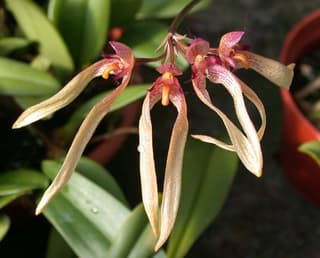
Pale Umbrella Orchid
Bulbophyllum longiflorum
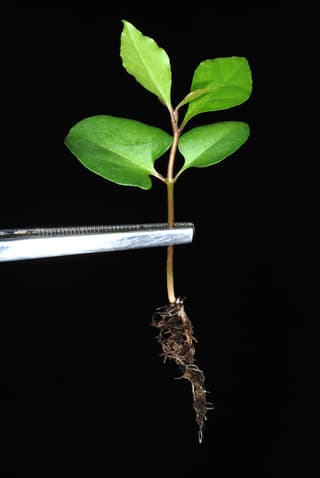
Pull-and-hold
Pisonia aculeata
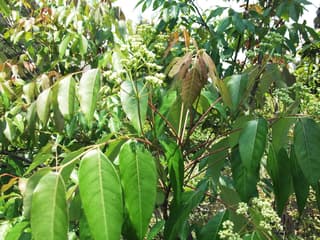
Catuaba
Trichilia
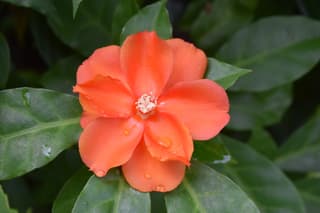
Leaf Cactus
Leuenbergeria
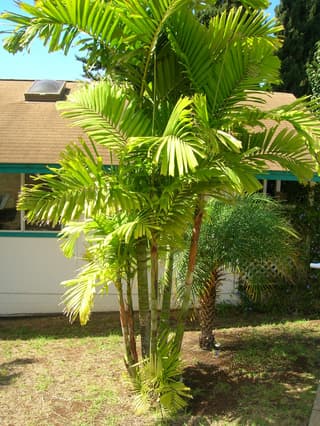
Macarthur Palm
Ptychosperma macarthurii
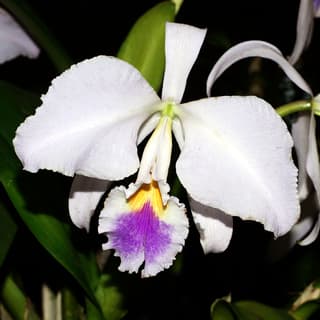
Mendel's Cattleya
Cattleya mendelii
Ideal Pet Safe for Pontal do Paraná's Climate
Pontal do Paraná has an average temperature of 22.2°C and humidity of 84.5%, conditions that directly influence which pet safe best adapt to the local environment.
How to Grow Pet Safe in Pontal do Paraná
To successfully grow pet safe in Pontal do Paraná, consider that the average temperature of 22.2°C and humidity of 84.5% create a specific microclimate. High humidity favors tropical species, but requires attention to ventilation to prevent fungal issues.
Advantages of Choosing Adapted Pet Safe
Pet Safe adapted to Pontal do Paraná's climate show greater resistance, healthy growth, and less need for interventions.