307 Best Succulents for Sant'Agnello | 2026 Guide - Page 4
The 307 best succulents to grow in Sant'Agnello. Ideal climate: 17.4°C, 77.1% humidity.
307 Succulents for Sant'Agnello
Showing 109-144 of 307

Chalk Dudleya
Dudleya pulverulenta
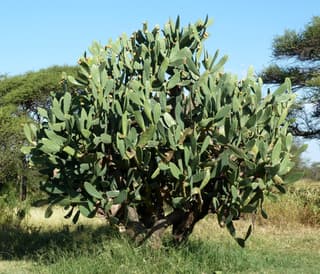
Prickly Pear Cactus
Opuntia
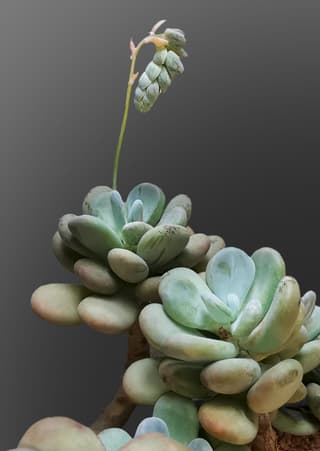
Moonstones
Pachyphytum
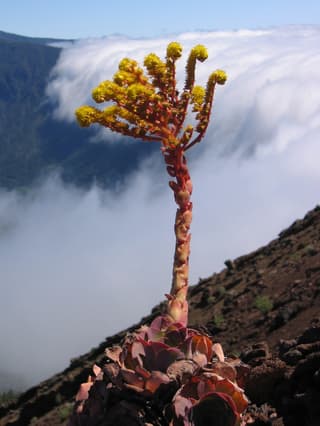
Canary Island Rose
Aeonium aureum
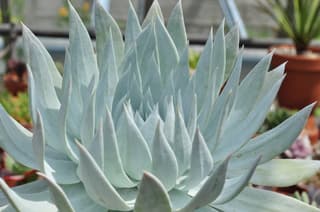
Liveforever
Dudleya
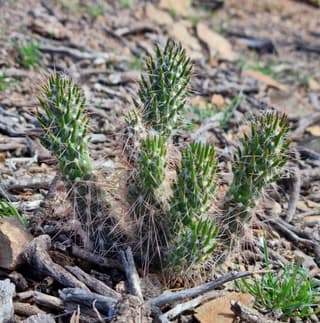
Old Man of the Andes
Austrocylindropuntia vestita
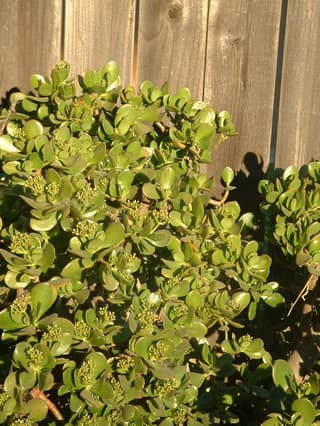
Jade Plant
Crassula ovata
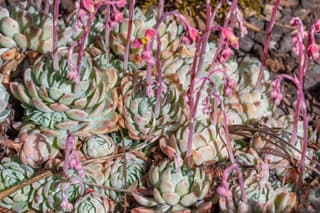
Mexican Gem
Echeveria elegans
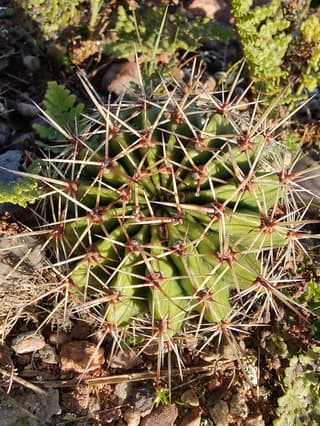
Easter Lily Cactus
Echinopsis oxygona
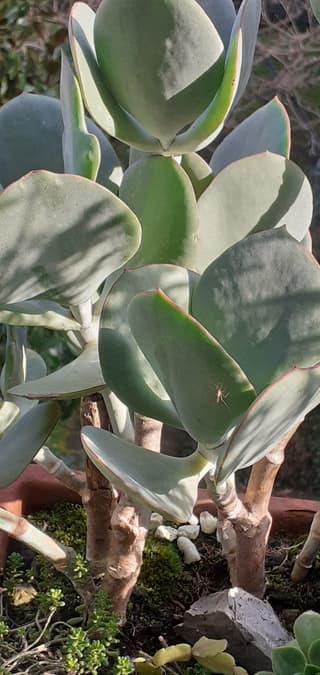
Pig's Ear
Cotyledon orbiculata
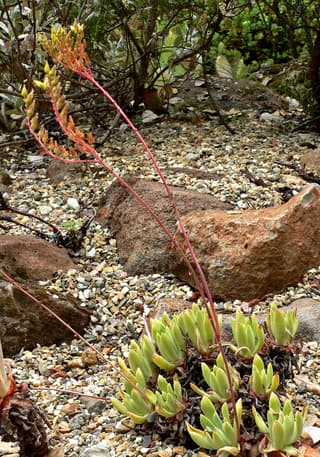
Greene's Liveforever
Dudleya greenei

Black Echeveria
Echeveria affinis
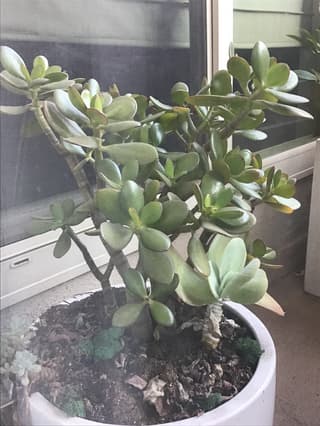
Crassula (genus)
Crassula
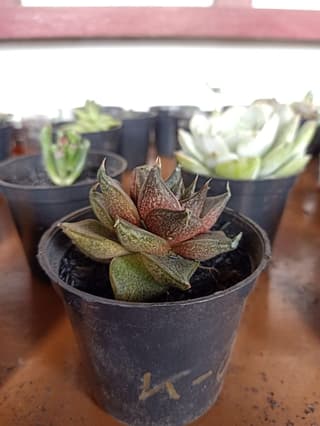
Purpus's Echeveria
Echeveria purpusorum
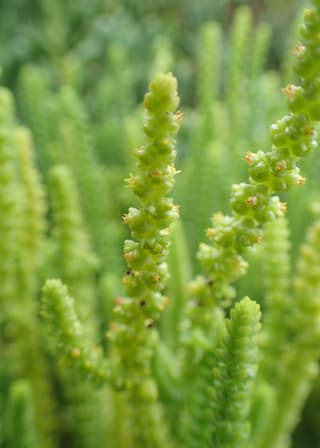
Watch Chain Plant
Crassula muscosa
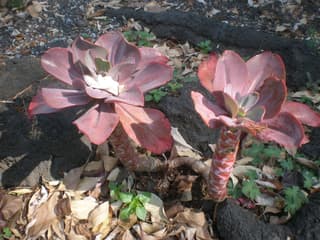
Carnival Echeveria
Echeveria gibbiflora
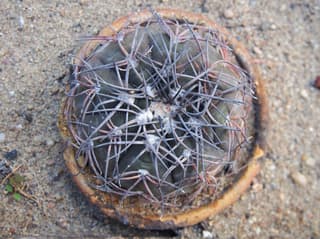
Pflanz's Chin Cactus
Gymnocalycium pflanzii
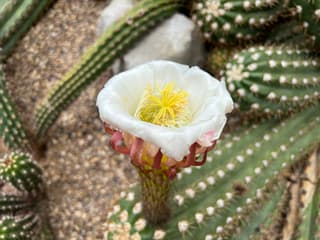
Argentine White Torch Cactus
Soehrensia candicans
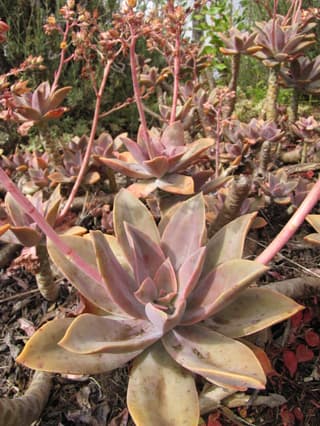
Graptoveria Ellen
Graptoveria 'Ellen'
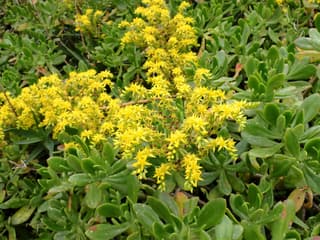
Shrubby Stonecrop
Sedum praealtum
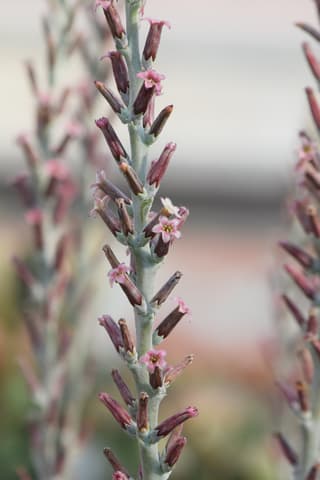
Plover Eggs Plant
Adromischus cooperi
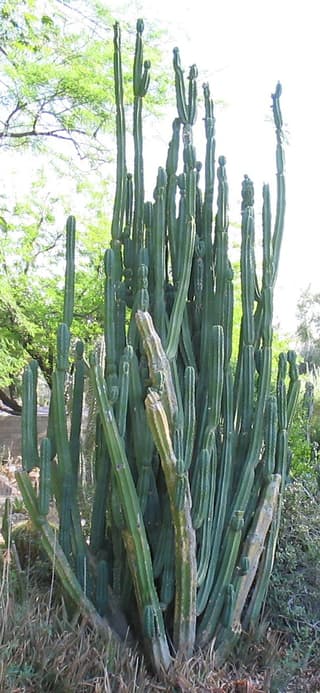
San Pedro Cactus
Trichocereus pachanoi
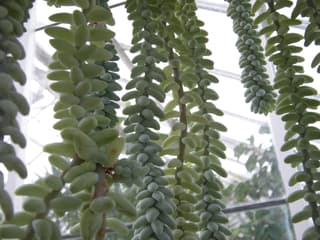
Baby Burro's Tail
Sedum burritum
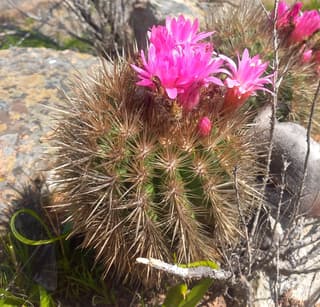
Chilean Pink Cactus
Eriosyce subgibbosa
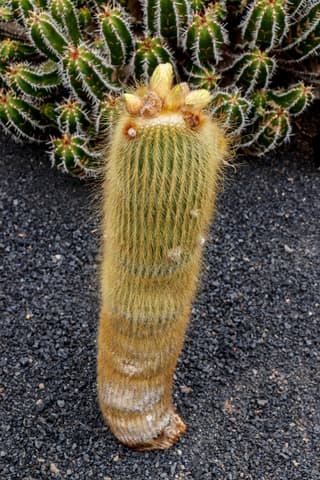
Golden Ball Cactus
Parodia leninghausii

Miranda Echeveria
Echeveria 'Miranda'
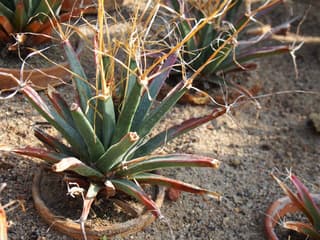
Agave Cactus
Leuchtenbergia principis
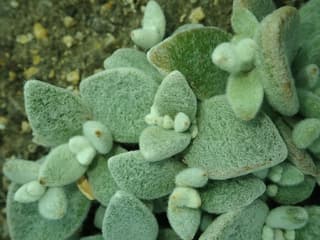
Snow white panda plant
Kalanchoe eriophylla
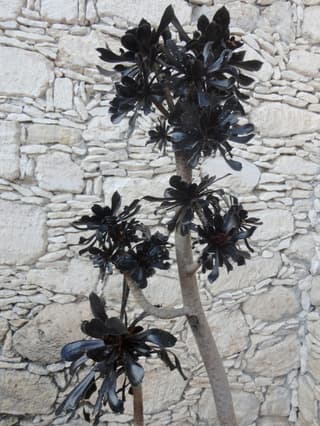
Black Rose
Aeonium 'Zwartkop'
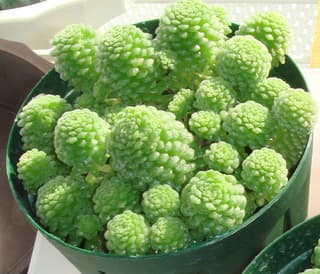
Monanthes polyphylla
Monanthes polyphylla

Sim's Aeonium
Aeonium simsii

Giant Velvet Rose
Aeonium canariense
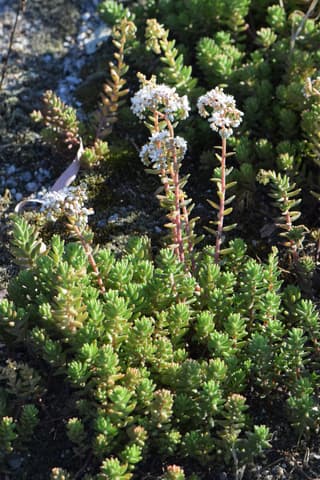
White Stonecrop
Sedum album

Aeonium
Aeonium
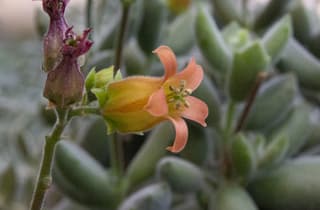
Bear's Paw
Cotyledon tomentosa
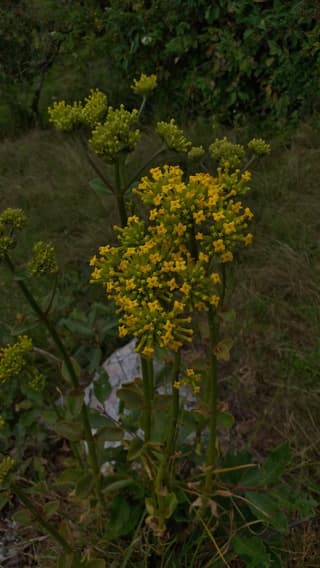
Dense-flowered Kalanchoe
Kalanchoe densiflora
Ideal Succulents for Sant'Agnello's Climate
Sant'Agnello has an average temperature of 17.4°C and humidity of 77.1%, conditions that directly influence which succulents best adapt to the local environment.
How to Grow Succulents in Sant'Agnello
To successfully grow succulents in Sant'Agnello, consider that the average temperature of 17.4°C and humidity of 77.1% create a specific microclimate. High humidity favors tropical species, but requires attention to ventilation to prevent fungal issues.
Advantages of Choosing Adapted Succulents
Succulents adapted to Sant'Agnello's climate show greater resistance, healthy growth, and less need for interventions.