500 Best Pet Safe for Windsor and Maidenhead | 2026 Guide - Page 8
The 500 best pet safe to grow in Windsor and Maidenhead. Ideal climate: 11.5°C, 80.3% humidity.
500 Pet Safe for Windsor and Maidenhead
Showing 253-288 of 500
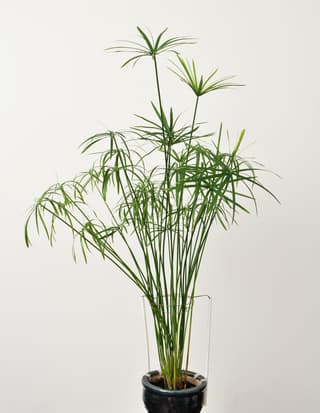
Umbrella Papyrus
Cyperus alternifolius
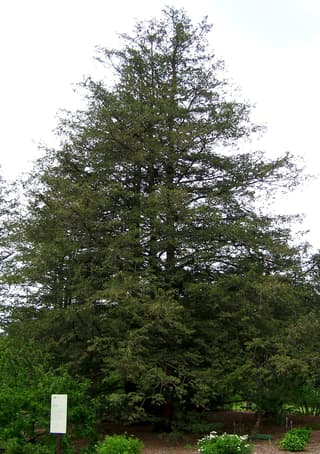
Sawara cypress
Chamaecyparis pisifera
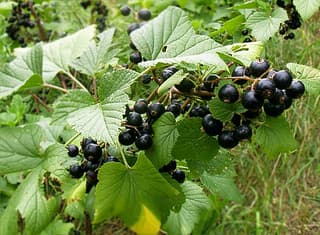
Blackcurrant
Ribes nigrum
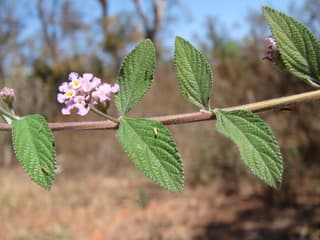
Bushy Lippia
Lippia alba
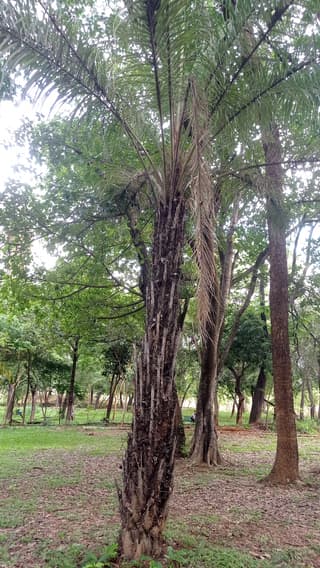
Macaw Palm
Acrocomia aculeata

foxtail palm
Wodyetia
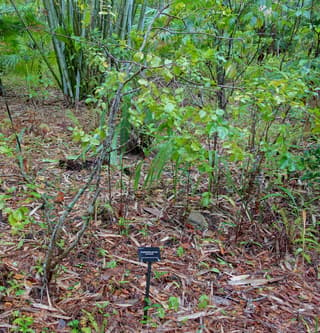
Black Ironwood
Krugiodendron ferreum

Rosy Tinted Laelia
Laelia rubescens
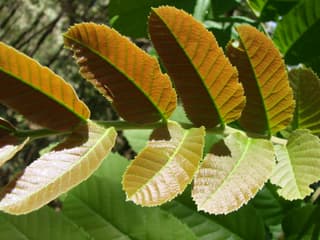
Camboata Tree
Cupania
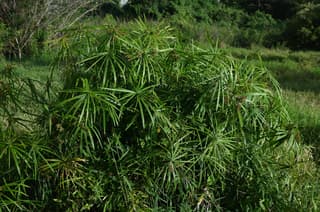
Umbrella Sedge
Cyperus
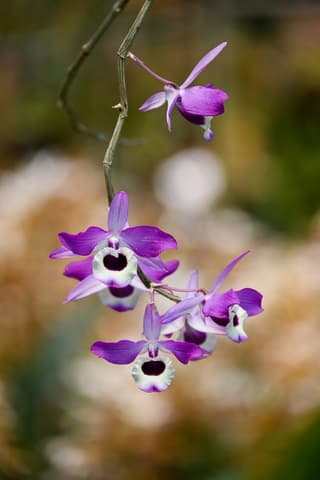
Dendrobium Orchid (genus)
Dendrobium
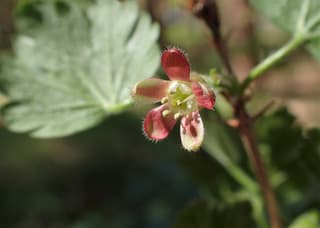
Gooseberry
Ribes uva-crispa
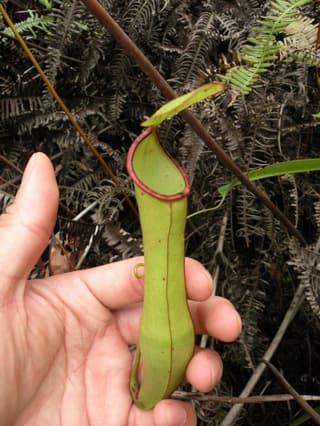
Neglecta Pitcher Plant
Nepenthes × neglecta
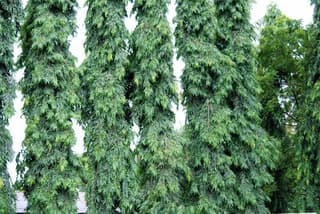
Mast Tree
Polyalthia longifolia
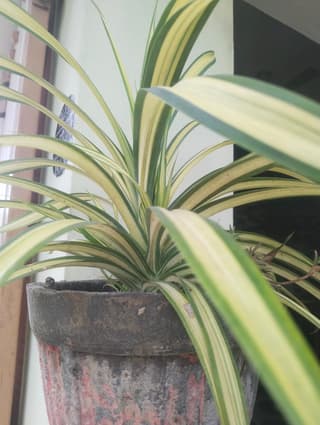
Spider Plant (genus)
Chlorophytum
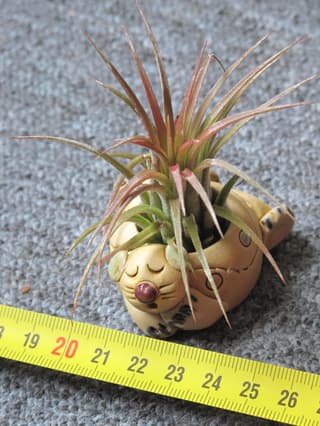
Sky Plant
Tillandsia ionantha
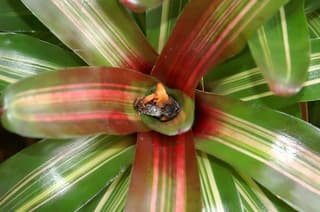
Blushing Bromeliad
Neoregelia carolinae
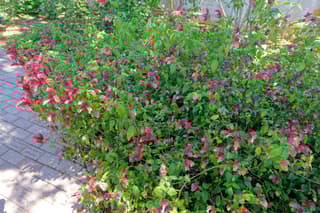
Shrimp Plant
Justicia brandegeeana
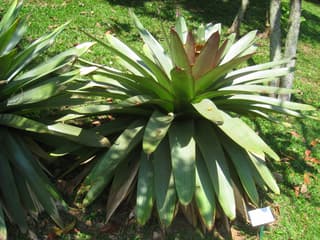
Imperial Bromeliad
Alcantarea imperialis
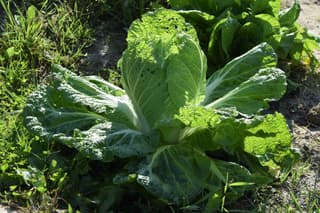
Chinese Cabbage
Brassica rapa pekinensis
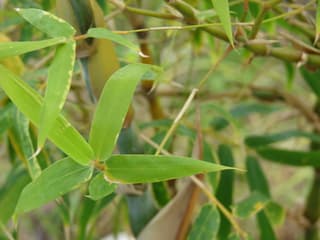
Buddha Belly Bamboo
Bambusa ventricosa
Canna Lily
Canna x generalis
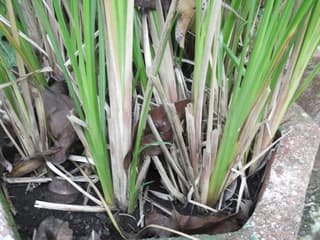
Vetiver
Chrysopogon zizanioides
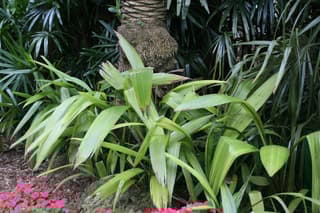
Palm Grass
Curculigo capitulata
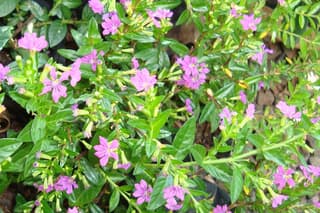
Slender Cuphea
Cuphea gracilis
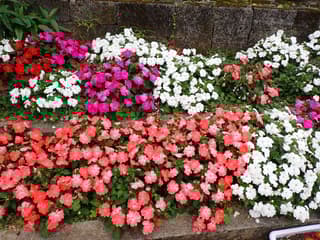
New Guinea Impatiens
Impatiens hawkeri
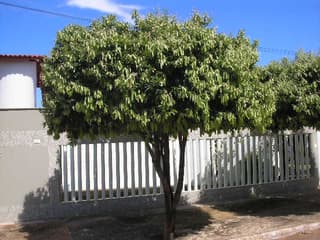
Oiti Tree
Licania tomentosa
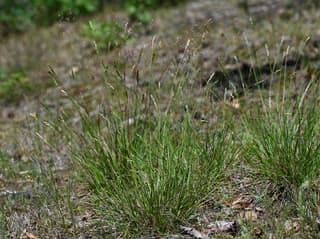
Heath-grass
Danthonia decumbens
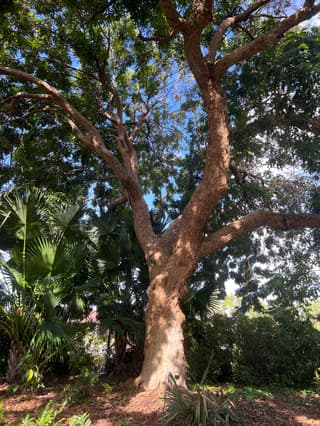
Longan
Dimocarpus longan
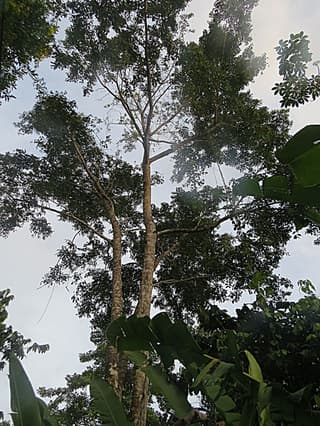
Yellow Mombin
Spondias mombin
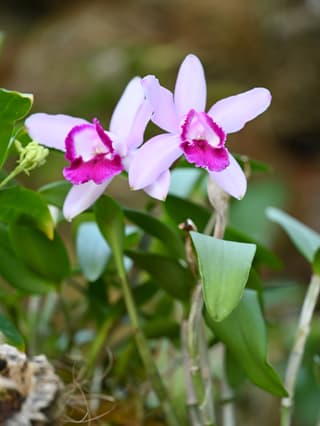
Easter Cattleya
Cattleya intermedia
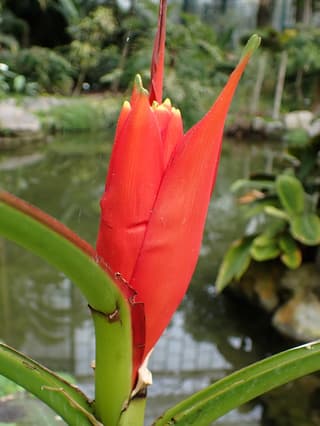
Scarlet Banana
Musa coccinea
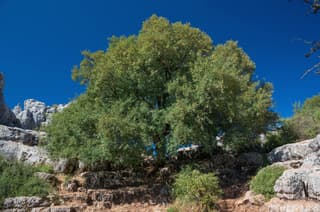
Montpellier maple
Acer monspessulanum
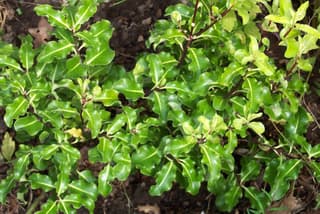
Kohuhu
Pittosporum tenuifolium
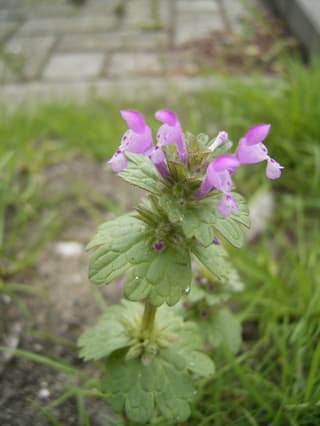
Henbit Dead-nettle
Lamium amplexicaule
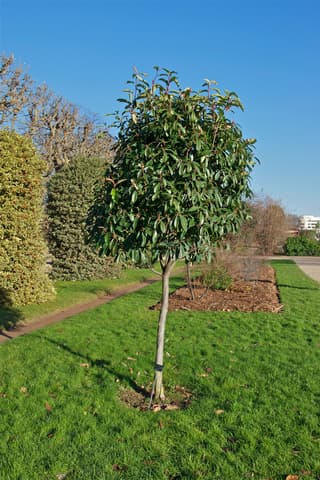
Chinese Photinia
Photinia serratifolia
Ideal Pet Safe for Windsor and Maidenhead's Climate
Windsor and Maidenhead has an average temperature of 11.5°C and humidity of 80.3%, conditions that directly influence which pet safe best adapt to the local environment.
How to Grow Pet Safe in Windsor and Maidenhead
To successfully grow pet safe in Windsor and Maidenhead, consider that the average temperature of 11.5°C and humidity of 80.3% create a specific microclimate. High humidity favors tropical species, but requires attention to ventilation to prevent fungal issues.
Advantages of Choosing Adapted Pet Safe
Pet Safe adapted to Windsor and Maidenhead's climate show greater resistance, healthy growth, and less need for interventions.