Ericaceae
Japanese Azalea (Rhododendron japonicum)
Rhododendron japonicum
Outdoor plant for temperate climates. Prefers partial shade with morning sun, acidic peaty well-draining soil (pH 4.5–6.0). Water every 4 days keeping soil moist but not waterlogged. Fertilize monthly during the growing season. Prune once a year after flowering.
Every 4 days
Partial shade
5° - 25°C
50% - 70%
Categories
What is Japanese Azalea?
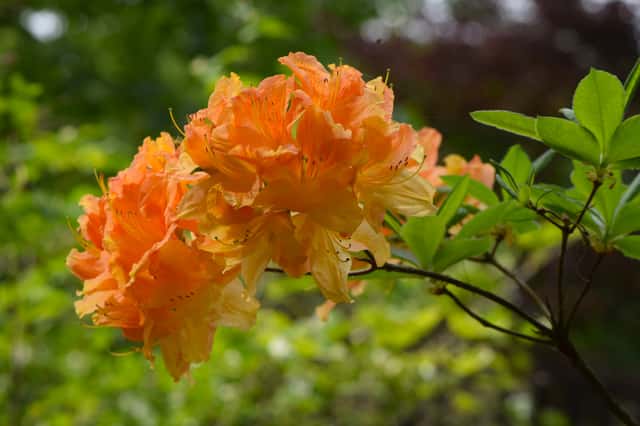
Japanese Azalea (Rhododendron japonicum) is a medium-care plant from the Ericaceae family. The Japanese Azalea (Rhododendron japonicum) is a deciduous shrub native to Japan, celebrated for its spectacular spring blooms in shades of pink, red, orange, yellow, and white. A cherished ornamental in temperate gardens worldwide. WARNING: The entire plant is toxic due to grayanotoxins — dangerou...
Japanese Azalea grows up to 2.5m, spread of 200cm, watering every 4 days, 5°C – 25°C, 50–70% humidity. It is not suitable for indoor environments and not safe for pets.
Without precautions, ingestion can cause irritation in pets. Keep out of reach of cats and dogs.
How to Care for Japanese Azalea?
TLDR: Japanese Azalea needs Partial shade, watering every 4 days, and temperatures between 5-25°C with 50-70% humidity.
How Often Should You Water Japanese Azalea?
Water every 4 days, keeping the soil consistently moist but never waterlogged. Use rainwater or lime-free water as the plant is sensitive to lime. Reduce watering in winter.
How Much Light Does Japanese Azalea Need?
Place in a spot with morning sun and afternoon shade — 4 to 6 hours of filtered light is ideal. Avoid intense direct sun which can scorch the leaves.
What Is the Best Soil for Japanese Azalea?
Use acidic, peaty soil with a pH between 4.5 and 6.0. Mix peat moss with perlite for good drainage. Never use alkaline or chalky soils.
What Pot Should You Use for Japanese Azalea?
Ceramic or terracotta pot with adequate drainage holes. Avoid dark plastic pots that retain excessive heat.
Care Schedule
Fertilize
Every 30 days
Misting
Every 3 days
Repot
Every 730 days
What Is Japanese Azalea and Where Does It Come From?
The Japanese Azalea (Rhododendron japonicum) is a deciduous shrub native to Japan, celebrated for its spectacular spring blooms in shades of pink, red, orange, yellow, and white. A cherished ornamental in temperate gardens worldwide. WARNING: The entire plant is toxic due to grayanotoxins — dangerous to humans, cats, and dogs.
How to Propagate Japanese Azalea?
Stem Cutting
Cover with a plastic bag to retain moisture. Check for rooting after 6 weeks by gently tugging the stem.
- 1 Cut a semi-hardwood shoot of about 10 cm in July or August
- 2 Remove lower leaves leaving 2-3 at the tip
- 3 Apply rooting hormone to the cut base
- 4 Plant in a mix of peat and perlite
- 5 Keep in indirect light with high humidity
Materials needed:
Ground Layering
Best for established plants. Do not separate before 8 weeks.
- 1 Select a flexible healthy branch near the ground
- 2 Make a shallow cut in the middle of the branch
- 3 Bury that section in the soil keeping the tip upright
- 4 Secure with a garden staple and water regularly
- 5 Separate from the parent plant once rooted
Materials needed:
How Big Does Japanese Azalea Grow?
TLDR: Japanese Azalea can reach up to 2.5m tall with Slow growth rate.
Max height
2.5m
Spread
2.0m
Growth rate
Slow
Foliage
Deciduous
Warning: Toxic Plant
This plant can be toxic if ingested. Keep out of reach of:
Plant Uses
Ornamental
Great for decoration
Is your plant showing symptoms?
Click on the symptom to discover possible causes:
What Diseases Commonly Affect Japanese Azalea?
TLDR: Japanese Azalea is susceptible to 6 known diseases. Monitor regularly for early detection.
Powdery Mildew
Powdery mildew is a common fungal disease caused by various fungi species including Erysiphe, Podosphaera, Oïdium, and Leveillula. It affects over 10,000 plant species worldwide. The disease thrives in warm, dry climates with high humidity and appears as a distinctive white powdery coating on plant surfaces.
Root Rot
Root rot is a serious fungal disease that affects the root system of plants, causing them to decay and die. It is primarily caused by overwatering, poor drainage, or soil-borne fungi such as Pythium, Phytophthora, Rhizoctonia, and Fusarium. The disease thrives in waterlogged conditions where roots are deprived of oxygen, making them susceptible to fungal infection.
Leaf Spot
Leaf spot is a common fungal disease caused by various pathogens including Alternaria, Ascochyta, Colletotrichum, Septoria, and Venturia. It primarily affects leaves, causing discolored spots that can lead to premature leaf drop if left untreated.
Spider Mites
Spider mites are tiny arachnids (less than 1/20 inch long) related to spiders and ticks that feed on plant sap. They thrive in hot, dry conditions and can cause significant damage to ornamental and vegetable plants. During severe infestations, crop losses can reach 14% or higher as these pests disrupt vital plant processes including photosynthesis, carbon dioxide absorption, and transpiration.
Meaning & Symbolism
Symbolizes delicacy, ephemeral beauty, and femininity. In Japan, it is associated with the arrival of spring and gentle care.
Fun Facts
The entire plant is toxic due to grayanotoxins — compounds historically used to produce the so-called 'mad honey' in the Pontic region of Turkey
The Japanese Azalea is deciduous, losing its leaves in winter but rebounding with spectacular blooms in spring
Flowers can reach 5 to 7 cm in diameter and appear before or alongside the new leaves
It is frost-hardy and can tolerate temperatures below -15°C in suitable hardiness zones
Frequently asked questions
How often should I water my Japanese Azalea?
Is Japanese Azalea toxic?
What soil does Japanese Azalea need?
When does Japanese Azalea bloom?
Can I grow Japanese Azalea indoors?
Compare with similar plants
| Attribute | Difficulty | Light | Watering | Pet Safe |
|---|---|---|---|---|
| Dark Fieldcap | Medium | Low light | 2d | ⚠️ |
| Azalea | Medium | Partial shade | 3d | ⚠️ |
| Muriel's Bamboo | Medium | Partial shade | 3d | ✓ |
| Bougainvillea | Medium | Direct sun | 7d | ⚠️ |




