Arecaceae
Juçara Palm (Euterpe edulis)
Euterpe edulis
A demanding species requiring partial shade, rich organic soil, and consistent moisture. Very slow grower — takes 15–25 years to first flower. Best suited for forest gardens and Atlantic Forest restoration projects.
Every 7 days
Partial shade
15° - 35°C
65% - 85%
Categories
What is Juçara Palm?
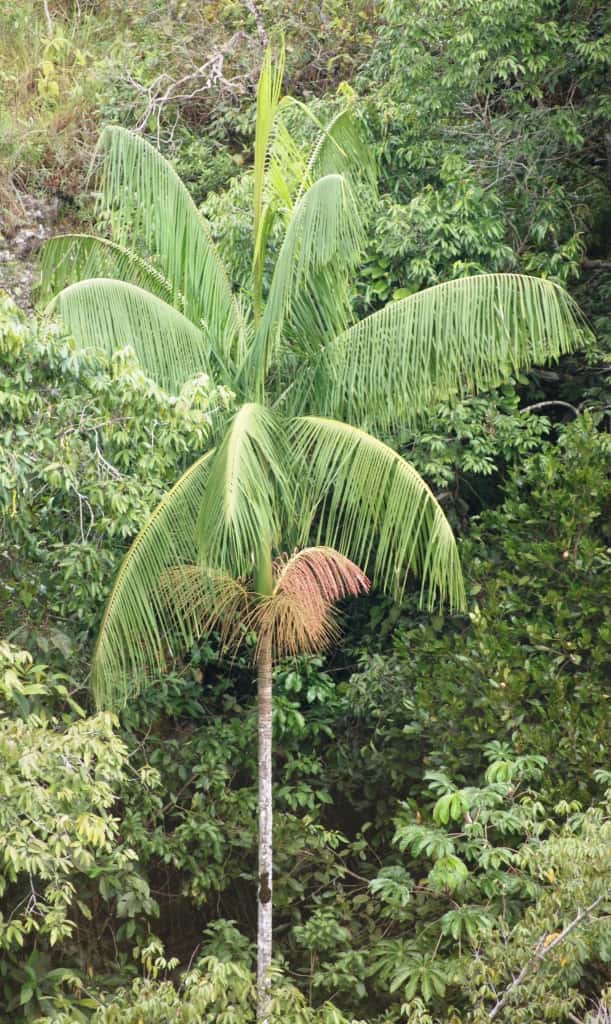
Juçara Palm (Euterpe edulis) is a hard-care plant from the Arecaceae family. Euterpe edulis, known as the Juçara Palm, is a native palm of Brazil's Atlantic Forest, critically threatened by illegal palm heart extraction. Its antioxidant-rich fruits are used as a sustainable alternative to Amazonian açaí, and the species plays a vital role in forest restoration and wildlife h...
Juçara Palm grows up to 20.0m, spread of 400cm, watering every 7 days, 15°C – 35°C, 65–85% humidity. It is not suitable for indoor environments and safe for pets.
Unlike easy-care plants, Juçara Palm demands constant attention to humidity and light. Not recommended for beginners. Unlike many popular species, Juçara Palm is safe to keep around pets.
How to Care for Juçara Palm?
TLDR: Juçara Palm needs Partial shade, watering every 7 days, and temperatures between 15-35°C with 65-85% humidity.
How Often Should You Water Juçara Palm?
Water every 7 days, keeping soil moist but well-drained. Tolerates brief dry periods up to 2 months but prefers consistent moisture. Reduce watering when temperatures drop below 15°C.
How Much Light Does Juçara Palm Need?
Prefers partial to deep shade — tolerates 2,000–50,000 lux depending on growth stage. Young seedlings need 95–98% shade; mature adults tolerate more light. Avoid intense direct sun.
What Is the Best Soil for Juçara Palm?
Rich organic soil, sandy clay loam to clay loam, well-drained. Optimal pH 5.5–6.5. Enrich with organic compost before planting.
What Pot Should You Use for Juçara Palm?
Large container (minimum 100L) with good drainage for ornamental use; best planted directly in garden soil.
Care Schedule
Fertilize
Every 90 days
What Is Juçara Palm and Where Does It Come From?
Euterpe edulis, known as the Juçara Palm, is a native palm of Brazil's Atlantic Forest, critically threatened by illegal palm heart extraction. Its antioxidant-rich fruits are used as a sustainable alternative to Amazonian açaí, and the species plays a vital role in forest restoration and wildlife habitat for over 30 bird species.
How Big Does Juçara Palm Grow?
TLDR: Juçara Palm can reach up to 20.0m tall with Slow growth rate.
Max height
20.0m
Spread
4.0m
Growth rate
Slow
Foliage
Evergreen
Plant Uses
Ornamental
Great for decoration
Edible
Can be consumed
Culinary Uses
- Fruits used to produce juice and pulp similar to Amazonian açaí
- Palm heart harvested sustainably from certified forest management operations
Is your plant showing symptoms?
Click on the symptom to discover possible causes:
What Diseases Commonly Affect Juçara Palm?
TLDR: Juçara Palm is susceptible to 6 known diseases. Monitor regularly for early detection.
Leaf Spot
Leaf spot is a common fungal disease caused by various pathogens including Alternaria, Ascochyta, Colletotrichum, Septoria, and Venturia. It primarily affects leaves, causing discolored spots that can lead to premature leaf drop if left untreated.
Anthracnose
Anthracnose is a fungal disease caused by fungi in the genus Colletotrichum that affects many plants, including vegetables, fruits, and trees. The disease thrives in cool, wet conditions, causing dark, sunken lesions on leaves, stems, flowers, and fruits.
Phytophthora Blight
Devastating fungal disease caused by Phytophthora species (primarily P. capsici and P. infestans), famously responsible for the Irish Potato Famine in the 1840s. Affects all plant parts including roots, stems, leaves, and fruits in warm, wet conditions. The pathogen is technically an oomycete (water mold) that thrives in saturated soils and can survive in soil for 5+ years.
Root Rot
Root rot is a serious fungal disease that affects the root system of plants, causing them to decay and die. It is primarily caused by overwatering, poor drainage, or soil-borne fungi such as Pythium, Phytophthora, Rhizoctonia, and Fusarium. The disease thrives in waterlogged conditions where roots are deprived of oxygen, making them susceptible to fungal infection.
Meaning & Symbolism
Symbol of Atlantic Forest resilience and Brazilian biodiversity; a keystone species of one of the world's most threatened forest ecosystems.
Fun Facts
Feeds over 30 Atlantic Forest bird species, making it a critical seed disperser for forest regeneration.
Unlike most palms, Juçara has a single apical bud — once cut for palm heart, the plant dies. This trait contributed to its endangered status.
Its fruits have antioxidant concentrations exceeding blueberries, making them a potential superfood.
Frequently asked questions
Is the Juçara Palm hard to grow?
Are Juçara fruits the same as açaí?
How long until it produces fruit?
Compare with similar plants
| Attribute | Difficulty | Light | Watering | Pet Safe |
|---|---|---|---|---|
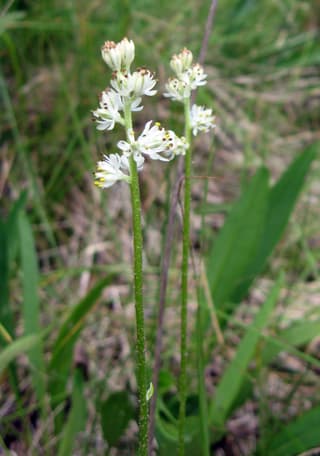
| Sticky false asphodel | Hard | Bright indirect | 1d | ✓ |
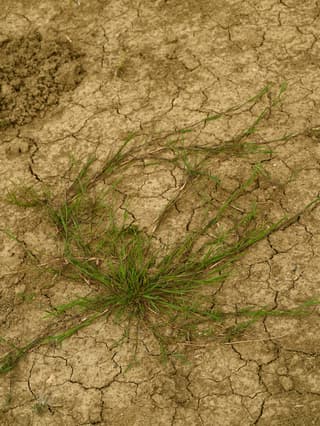
| Creeping bentgrass | Hard | Direct sun | 3d | ✓ |
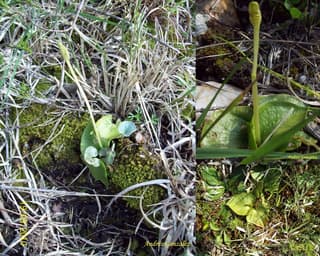
| Bulbous Adder's-tongue | Hard | Partial shade | 4d | ✓ |
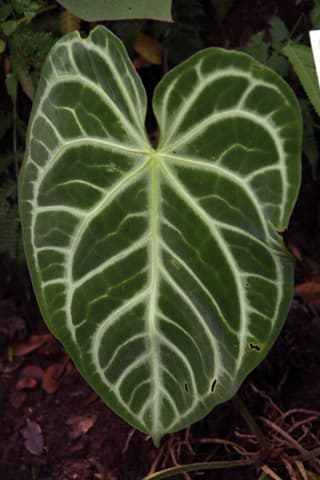
| Crystal Anthurium | Hard | Partial shade | 7d | ⚠️ |