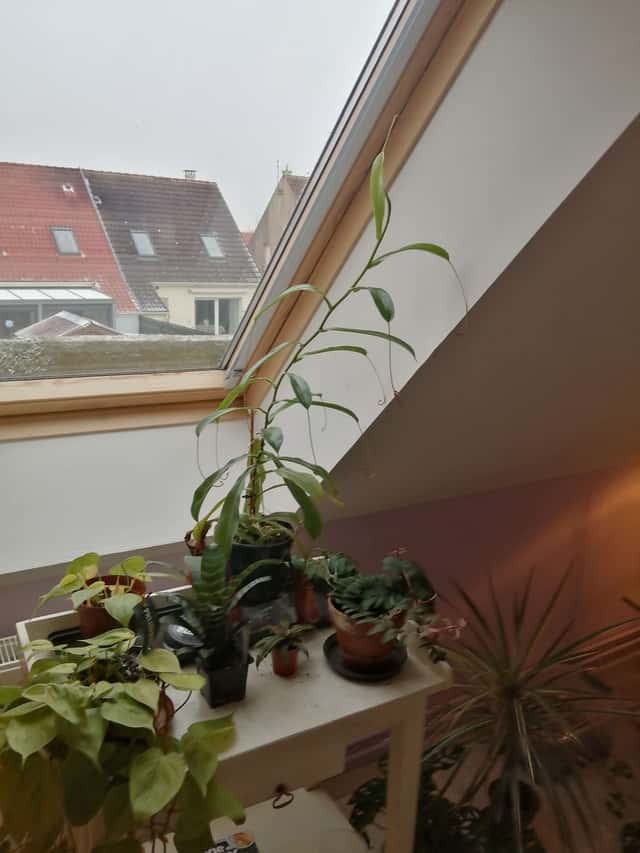
Nepenthaceae
Nepenthes (Tropical Pitcher Plant): Complete Care Guide
Nepenthes
Keep substrate consistently moist using only distilled or rainwater — never tap water. Provide bright indirect light, high humidity (60-80%) and temperatures between 18-32°C. Use a low-nutrient medium: peat + sphagnum + perlite.
Every 3 days
Bright indirect
18° - 32°C
60% - 80%
Categories
What is Tropical Pitcher Plant (genus)?
Tropical Pitcher Plant (genus) (Nepenthes) is a medium-care plant from the Nepenthaceae family. Nepenthes is a genus of tropical carnivorous climbing plants native primarily to Southeast Asia, with over 170 described species. They are renowned for their hanging pitcher-shaped traps (ascidia) that dangle from leaf tendrils, capable of capturing and digesting insects and small animals. Species r...
Tropical Pitcher Plant (genus) grows up to 1.5m, spread of 60cm, watering every 3 days, 18°C – 32°C, 60–80% humidity. It is suitable for indoor environments and safe for pets.
Unlike many popular species, Tropical Pitcher Plant (genus) is safe to keep around pets. Without adequate drainage, root rot can develop within 7 days.
How to Care for Tropical Pitcher Plant (genus)?
TLDR: Tropical Pitcher Plant (genus) needs Bright indirect, watering every 3 days, and temperatures between 18-32°C with 60-80% humidity.
How Often Should You Water Tropical Pitcher Plant (genus)?
Water every 2-3 days keeping the medium evenly moist. USE ONLY distilled or rainwater — Nepenthes is extremely sensitive to minerals and chlorine in tap water. Never let the medium dry out completely.
How Much Light Does Tropical Pitcher Plant (genus) Need?
Prefers bright indirect light near an east or north-facing window. Avoid intense direct sun which can scorch leaves. Indoors, grow lights work well at 12-14 hours per day.
What Is the Best Soil for Tropical Pitcher Plant (genus)?
Use a low-nutrient substrate: acidic peat + live sphagnum moss + perlite (2:1:1 ratio). Ideal pH between 4.0 and 5.5. NEVER use regular potting mix or fertilized substrate — it will kill the plant.
What Pot Should You Use for Tropical Pitcher Plant (genus)?
Unglazed ceramic or plastic pot with good drainage. Avoid pure terracotta (leaches minerals). Medium size — Nepenthes prefers to be slightly root-bound.
Care Schedule
Fertilize
Every 60 days
Misting
Every 1 days
Rotate
Every 30 days
Repot
Every 730 days
What Is Tropical Pitcher Plant (genus) and Where Does It Come From?
Nepenthes is a genus of tropical carnivorous climbing plants native primarily to Southeast Asia, with over 170 described species. They are renowned for their hanging pitcher-shaped traps (ascidia) that dangle from leaf tendrils, capable of capturing and digesting insects and small animals. Species range from small epiphytes to large canopy climbers.
How to Propagate Tropical Pitcher Plant (genus)?
Stem cutting
High humidity is essential for rooting. Open the plastic bag daily for 5 minutes to prevent mold. Rooting can take 2-3 months.
- 1 Cut a healthy stem with 2-3 nodes using sterilized scissors
- 2 Remove lower leaves leaving 1-2 pairs at the top
- 3 Dip the base in rooting hormone powder
- 4 Plant in moist pure sphagnum moss
- 5 Cover with a clear plastic bag or place in a mini greenhouse to maintain high humidity
- 6 Keep in bright indirect light at 24-28°C
Materials needed:
Seed propagation
Nepenthes seeds lose viability rapidly — use fresh seeds only. Vegetative propagation is much more reliable.
- 1 Sow fresh seeds on sterilized moist sphagnum
- 2 Cover the container with plastic wrap
- 3 Maintain at 24-28°C with high humidity
- 4 Wait for germination in 4-8 weeks
- 5 Transplant seedlings when they have 3-4 true leaves
Materials needed:
How Big Does Tropical Pitcher Plant (genus) Grow?
TLDR: Tropical Pitcher Plant (genus) can reach up to 1.5m tall with Slow growth rate.
Max height
1.5m
Spread
60cm
Growth rate
Slow
Foliage
Evergreen
Plant Uses
Ornamental
Great for decoration
Is your plant showing symptoms?
Click on the symptom to discover possible causes:
What Diseases Commonly Affect Tropical Pitcher Plant (genus)?
TLDR: Tropical Pitcher Plant (genus) is susceptible to 5 known diseases. Monitor regularly for early detection.
Root Rot
Root rot is a serious fungal disease that affects the root system of plants, causing them to decay and die. It is primarily caused by overwatering, poor drainage, or soil-borne fungi such as Pythium, Phytophthora, Rhizoctonia, and Fusarium. The disease thrives in waterlogged conditions where roots are deprived of oxygen, making them susceptible to fungal infection.
Aphids
Aphids are small, soft-bodied, pear-shaped insects (1/16 to 1/8 inch long) that feed by sucking nutrient-rich sap from plants. They reproduce rapidly and can quickly weaken plants, causing distorted growth and transmitting plant viruses. Aphids come in various colors including green, black, red, yellow, brown, and gray. They secrete honeydew, a sticky substance that attracts ants and encourages sooty mold growth.
Mealybugs
Mealybugs are small, soft-bodied insects covered with a white, waxy, cottony material. They are common pests of houseplants and outdoor plants in mild climates. These sap-sucking insects feed on plant tissue, causing damage, stunted growth, and can lead to plant death if left untreated. They produce sticky honeydew which attracts sooty mold.
Fungus Gnats
Fungus gnats are small, gray-to-black mosquito-like insects (1/8 to 1/10 inches long) commonly found in indoor plants. Adult gnats are mostly a nuisance, but their larvae feed on plant roots and organic matter in soil, potentially causing serious damage to young or vulnerable plants. The larvae are translucent white with distinctive black heads and can leave slime trails on the soil surface in heavy infestations.
Meaning & Symbolism
Patience, adaptation and unique beauty — the pitcher plant symbolizes the ability to thrive by turning limitations into advantages.
Fun Facts
Nepenthes can capture not just insects, but also scorpions, rats and even small birds in larger species
The genus has over 170 species, most endemic to Borneo
Nepenthes pitchers are used as water containers by indigenous peoples of Southeast Asia
Some species live in symbiosis with bats and tree shrews that use the pitchers as toilets — fertilizing the plant
Frequently asked questions
Can I use tap water for Nepenthes?
Why is my Nepenthes not producing pitchers?
Is Nepenthes toxic to pets?
How often should I fertilize my Nepenthes?
Can Nepenthes live indoors?
Compare with similar plants
| Attribute | Difficulty | Light | Watering | Pet Safe |
|---|---|---|---|---|
| Dark Fieldcap | Medium | Low light | 2d | ⚠️ |
| Azalea | Medium | Partial shade | 3d | ⚠️ |
| Muriel's Bamboo | Medium | Partial shade | 3d | ✓ |
| Bougainvillea | Medium | Direct sun | 7d | ⚠️ |




