Rubiaceae
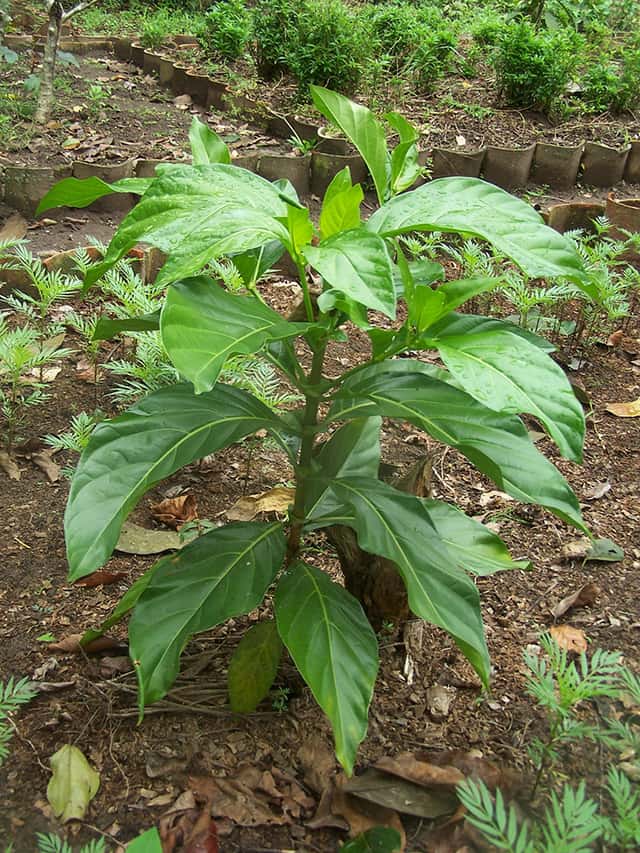
Noni (Morinda citrifolia): Complete Care Guide
Morinda citrifolia
Noni is a fast-growing tropical tree suited to warm, humid outdoor environments. It prefers full sun and well-draining soil. Water regularly but avoid waterlogging. Feed monthly during the growing season. Prune occasionally to maintain shape. Not suited for indoor cultivation in temperate climates.
Every 7 days
Direct sun
12° - 36°C
50% - 90%
Categories
What is Noni?
Noni (Morinda citrifolia) is a medium-care plant from the Rubiaceae family. Morinda citrifolia, commonly known as Noni or Indian Mulberry, is a tropical evergreen tree native to Southeast Asia, Australasia, and the Pacific Islands. Growing up to 9 metres tall, it produces distinctive white flowers year-round and lumpy, pungent fruits that are central to traditional Polynesi...
Noni grows up to 9.0m, spread of 500cm, watering every 7 days, 12°C – 36°C, 50–90% humidity. It is not suitable for indoor environments and safe for pets.
Unlike many popular species, Noni is safe to keep around pets.
How to Care for Noni?
TLDR: Noni needs Direct sun, watering every 7 days, and temperatures between 12-36°C with 50-90% humidity.
How Often Should You Water Noni?
Water every 7 days, allowing the soil to dry out moderately between waterings. Noni is somewhat drought-tolerant once established but performs best with consistent moisture. Avoid waterlogging — root rot is the most common problem.
How Much Light Does Noni Need?
Noni demands full sun (direct sunlight) with at least 6–8 hours per day. In shade, it grows slowly and produces few fruits. Place in the sunniest spot available.
What Is the Best Soil for Noni?
Use well-draining, loamy or sandy soil with a pH between 5.5 and 7.0. Noni tolerates poor, rocky, or even slightly saline soils. Avoid heavy clay or waterlogged conditions.
What Pot Should You Use for Noni?
Large terracotta or glazed ceramic pot with excellent drainage holes, minimum 50 cm diameter. For outdoor planting, in-ground is preferred.
Care Schedule
Fertilize
Every 30 days
Repot
Every 730 days
What Is Noni and Where Does It Come From?
Morinda citrifolia, commonly known as Noni or Indian Mulberry, is a tropical evergreen tree native to Southeast Asia, Australasia, and the Pacific Islands. Growing up to 9 metres tall, it produces distinctive white flowers year-round and lumpy, pungent fruits that are central to traditional Polynesian and Ayurvedic medicine. The plant thrives in warm, humid coastal environments, tolerating poor soils, drought, and even salinity.
How to Propagate Noni?
Seed propagation
Fresh seeds germinate most reliably. Stratification is not needed for tropical seeds.
- 1 Collect ripe noni fruits and extract seeds
- 2 Rinse seeds and allow to dry briefly
- 3 Sow seeds 1 cm deep in well-draining seed mix
- 4 Keep moist and warm (25–30°C) until germination in 2–4 weeks
Materials needed:
Stem cutting
High humidity and bottom heat improve success rates.
- 1 Take a 15–20 cm cutting from a healthy, semi-hardwood stem
- 2 Remove lower leaves and dip cut end in rooting hormone
- 3 Plant in moist perlite or sandy mix
- 4 Keep in warm, humid conditions until roots develop
Materials needed:
How Big Does Noni Grow?
TLDR: Noni can reach up to 9.0m tall with Fast growth rate.
Max height
9.0m
Spread
5.0m
Growth rate
Fast
Foliage
Evergreen
Plant Uses
Edible
Can be consumed
Medicinal
Medicinal properties
Medicinal Uses
- Traditionally used for over 2000 years in Polynesian medicine to treat arthritis, joint pain, diabetes, gastric ulcers, menstrual cramps, immune support, and as an anti-inflammatory and antioxidant agent
- Noni juice is widely consumed as a health supplement; leaves and roots are used in poultices for skin conditions and pain relief
- Roots yield a yellow/red dye historically used in textile production across Pacific cultures
Culinary Uses
- Ripe noni fruit can be eaten raw or juiced, though the strong cheese-like odour makes it an acquired taste
- Unripe fruit is sliced and added to curries, rice dishes, and sauces in Southeast Asian cuisine
- Fermented noni juice is mixed with other tropical fruit juices to create health beverages
- Young leaves are cooked as vegetables in some Pacific Island cuisines
Is your plant showing symptoms?
Click on the symptom to discover possible causes:
What Diseases Commonly Affect Noni?
TLDR: Noni is susceptible to 10 known diseases. Monitor regularly for early detection.
Root Rot
Root rot is a serious fungal disease that affects the root system of plants, causing them to decay and die. It is primarily caused by overwatering, poor drainage, or soil-borne fungi such as Pythium, Phytophthora, Rhizoctonia, and Fusarium. The disease thrives in waterlogged conditions where roots are deprived of oxygen, making them susceptible to fungal infection.
Overwatering
Overwatering occurs when plants receive too much water, depriving roots of oxygen and causing root rot. This environmental stress is one of the most common causes of houseplant death, as waterlogged soil prevents roots from breathing and functioning properly.
Root-Knot Nematodes
Root-knot nematodes (Meloidogyne species) are microscopic roundworms that parasitize plant roots, causing characteristic galls or knots. These soil-borne pests are among the most economically damaging plant pathogens worldwide, affecting a wide range of ornamental and edible plants. The nematodes inject enzymes into root cells, causing abnormal swelling and disrupting water and nutrient uptake.
Aphids
Aphids are small, soft-bodied, pear-shaped insects (1/16 to 1/8 inch long) that feed by sucking nutrient-rich sap from plants. They reproduce rapidly and can quickly weaken plants, causing distorted growth and transmitting plant viruses. Aphids come in various colors including green, black, red, yellow, brown, and gray. They secrete honeydew, a sticky substance that attracts ants and encourages sooty mold growth.
Meaning & Symbolism
In Pacific Island cultures, Noni symbolizes healing, vitality, and resilience — a sacred plant used for millennia by traditional healers.
Fun Facts
Noni has been used in traditional Polynesian medicine for over 2,000 years, making it one of the oldest known medicinal plants in Pacific cultures
A single Noni tree can produce up to 8 kg of fruit per month in ideal tropical conditions
The fruit's strong odour, often compared to cheese or vomit, earned it the nickname "vomit fruit" in some regions
Noni is one of the few tropical trees that flowers and fruits continuously throughout the year
Frequently asked questions
How often should I water a Noni tree?
Can Noni be grown indoors?
Is Noni fruit edible?
Is the Noni plant toxic to pets?
How fast does Noni grow?
Compare with similar plants
| Attribute | Difficulty | Light | Watering | Pet Safe |
|---|---|---|---|---|
| Dark Fieldcap | Medium | Low light | 2d | ⚠️ |
| Azalea | Medium | Partial shade | 3d | ⚠️ |
| Muriel's Bamboo | Medium | Partial shade | 3d | ✓ |
| Bougainvillea | Medium | Direct sun | 7d | ⚠️ |




