Fagaceae
Northern Red Oak (Quercus rubra)
Quercus rubra
Low-maintenance outdoor tree. Plant in full sun with acidic, well-drained soil. Water regularly for the first few years until established; afterward moderately drought-tolerant. Occasional pruning to remove dead or crossing branches.
Every 14 days
Direct sun
-35° - 38°C
40% - 70%
Categories
What is Northern Red Oak?
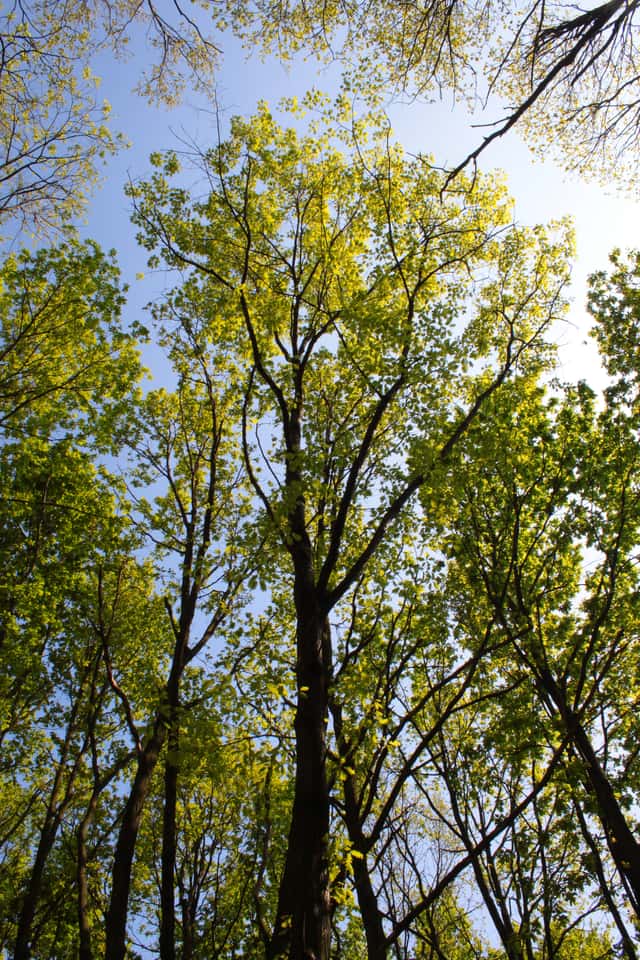
Northern Red Oak (Quercus rubra) is a medium-care plant from the Fagaceae family. The Northern Red Oak (Quercus rubra) is one of the most majestic deciduous trees of eastern North America. It can exceed 70 feet in height with a broad, rounded crown and deeply lobed leaves that turn brilliant scarlet, russet, and crimson in autumn. Among the faster-growing oaks, it is prized as an...
Northern Red Oak grows up to 21.3m, spread of 2134cm, watering every 14 days, -35°C – 38°C, 40–70% humidity. It is not suitable for indoor environments and safe for pets.
Unlike many popular species, Northern Red Oak is safe to keep around pets.
How to Care for Northern Red Oak?
TLDR: Northern Red Oak needs Direct sun, watering every 14 days, and temperatures between -35-38°C with 40-70% humidity.
How Often Should You Water Northern Red Oak?
Water regularly during the first 2-3 years after planting to develop a deep root system. Once established, Northern Red Oak is moderately drought-tolerant and needs supplemental watering only during extended dry spells.
How Much Light Does Northern Red Oak Need?
Prefers full sun (at least 6 hours of direct sunlight daily). Tolerates partial shade but displays best fall color and fastest growth in full sun.
What Is the Best Soil for Northern Red Oak?
Thrives in acidic, sandy loam soils with pH 5.0-6.5 and good drainage. Adapts to clay soils but avoid waterlogged conditions which promote root rot.
What Pot Should You Use for Northern Red Oak?
Not applicable — outdoor tree. Plant in a spacious garden or park setting.
Care Schedule
Fertilize
Every 90 days
What Is Northern Red Oak and Where Does It Come From?
The Northern Red Oak (Quercus rubra) is one of the most majestic deciduous trees of eastern North America. It can exceed 70 feet in height with a broad, rounded crown and deeply lobed leaves that turn brilliant scarlet, russet, and crimson in autumn. Among the faster-growing oaks, it is prized as an ornamental shade tree, street tree, and critical wildlife habitat.
How to Propagate Northern Red Oak?
Acorn (Seed) Propagation
Use fresh acorns collected the same autumn. Keep the medium slightly moist but not wet during stratification.
- 1 Collect mature acorns in autumn, discarding any with holes or mold
- 2 Cold-stratify for 4-6 weeks in a sealed plastic bag with moist sand in the refrigerator
- 3 Plant in deep pots with acidic, well-draining potting mix
- 4 Keep in a cool, bright location until seedlings reach 12-18 inches
- 5 Transplant to final outdoor location in spring
Materials needed:
How Big Does Northern Red Oak Grow?
TLDR: Northern Red Oak can reach up to 21.3m tall with Fast growth rate.
Max height
21.3m
Spread
21.3m
Growth rate
Fast
Foliage
Deciduous
Warning: Toxic Plant
This plant can be toxic if ingested. Keep out of reach of:
Plant Uses
Ornamental
Great for decoration
Is your plant showing symptoms?
Click on the symptom to discover possible causes:
What Diseases Commonly Affect Northern Red Oak?
TLDR: Northern Red Oak is susceptible to 7 known diseases. Monitor regularly for early detection.
Anthracnose
Anthracnose is a fungal disease caused by fungi in the genus Colletotrichum that affects many plants, including vegetables, fruits, and trees. The disease thrives in cool, wet conditions, causing dark, sunken lesions on leaves, stems, flowers, and fruits.
Powdery Mildew
Powdery mildew is a common fungal disease caused by various fungi species including Erysiphe, Podosphaera, Oïdium, and Leveillula. It affects over 10,000 plant species worldwide. The disease thrives in warm, dry climates with high humidity and appears as a distinctive white powdery coating on plant surfaces.
Canker
Canker is a disease caused by various fungi and bacteria that create necrotic, sunken areas on bark of branches, stems, and trunks. Pathogens enter through wounds and natural openings, especially when plants are stressed. Canker can gradually weaken or kill branches by disrupting water and nutrient flow.
Caterpillars
Caterpillars are the larval stage of moths and butterflies that feed voraciously on plant foliage, stems, flowers, and fruits. Common species include cabbage loopers, tomato hornworms, armyworms, and cutworms. These pests can cause extensive damage by consuming large amounts of plant tissue in a short time. They vary in size from small (1/4 inch) to large (5 inches), with colors ranging from green to brown, often featuring stripes or spots. Caterpillars are highly mobile and can quickly spread throughout gardens, making them one of the most destructive common pests.
Meaning & Symbolism
Symbol of strength, endurance, and longevity. The oak represents resilience, nobility, and deep-rooted heritage across North American cultures.
Fun Facts
A single mature tree can produce over 20,000 acorns in a good year
Red Oak acorns take two full growing seasons to mature
It is the state tree of New Jersey
Can live 200-500 years under optimal conditions
Frequently asked questions
Are Northern Red Oak acorns toxic to pets?
How fast does Northern Red Oak grow?
How often should I water a Northern Red Oak?
How much space does a Northern Red Oak need?
Is Northern Red Oak good for wildlife?
Compare with similar plants
| Attribute | Difficulty | Light | Watering | Pet Safe |
|---|---|---|---|---|
| Dark Fieldcap | Medium | Low light | 2d | ⚠️ |
| Azalea | Medium | Partial shade | 3d | ⚠️ |
| Muriel's Bamboo | Medium | Partial shade | 3d | ✓ |
| Bougainvillea | Medium | Direct sun | 7d | ⚠️ |




