Sarraceniaceae
Parrot Pitcher Plant (Sarracenia psittacina): Complete Care Guide
Sarracenia psittacina
Requires full sun, distilled or rainwater only, acidic peat-based soil, and high humidity. Never fertilize. Tolerates light frosts but is sensitive to hard freezes. Keep soil permanently moist via tray method.
Every 3 days
Direct sun
-5° - 35°C
60% - 90%
Categories
What is Parrot Pitcher Plant?
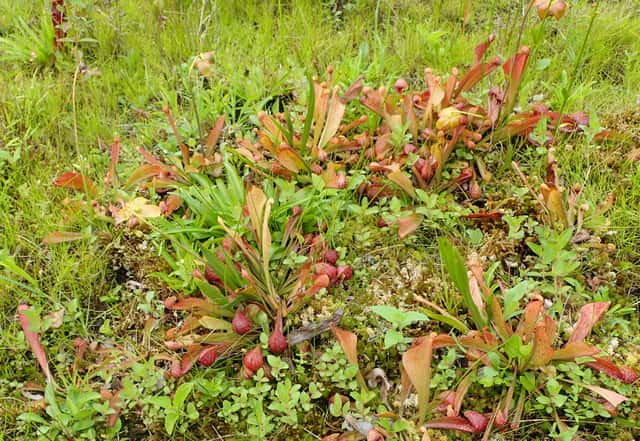
Parrot Pitcher Plant (Sarracenia psittacina) is a hard-care plant from the Sarraceniaceae family. Sarracenia psittacina, the Parrot Pitcher Plant, is a fascinating carnivorous plant native to the Gulf Coast of the southeastern United States. Its unique pitchers resemble a parrot's beak and employ a lobster-trap mechanism — prey wander in following inward-pointing hairs and cannot find their way...
Parrot Pitcher Plant grows up to 15cm, spread of 15cm, watering every 3 days, -5°C – 35°C, 60–90% humidity. It is not suitable for indoor environments and safe for pets.
Unlike easy-care plants, Parrot Pitcher Plant demands constant attention to humidity and light. Not recommended for beginners. Unlike many popular species, Parrot Pitcher Plant is safe to keep around pets.
How to Care for Parrot Pitcher Plant?
TLDR: Parrot Pitcher Plant needs Direct sun, watering every 3 days, and temperatures between -5-35°C with 60-90% humidity.
How Often Should You Water Parrot Pitcher Plant?
Water exclusively with distilled water, reverse osmosis, or rainwater — tap water minerals will kill the plant. Use the tray method: keep 2–5 cm of water in the saucer beneath the pot at all times.
How Much Light Does Parrot Pitcher Plant Need?
Requires 5–7 hours of direct sunlight daily. Indoors, use full-spectrum grow lights positioned 15–20 cm above the plant for at least 12 hours per day.
What Is the Best Soil for Parrot Pitcher Plant?
Use a 1:1 mix of sphagnum peat moss and washed sand, with no added fertilizer or lime. Target pH of 4.5–5.5. Never use regular potting soil or compost.
What Pot Should You Use for Parrot Pitcher Plant?
Plastic or ceramic pot without drainage holes — always used with a tray filled with distilled water for the tray watering method.
Care Schedule
Repot
Every 730 days
What Is Parrot Pitcher Plant and Where Does It Come From?
Sarracenia psittacina, the Parrot Pitcher Plant, is a fascinating carnivorous plant native to the Gulf Coast of the southeastern United States. Its unique pitchers resemble a parrot's beak and employ a lobster-trap mechanism — prey wander in following inward-pointing hairs and cannot find their way back out. It is one of the smallest Sarracenia species and demands specialized care including distilled water and acidic peat soil.
How to Propagate Parrot Pitcher Plant?
Rhizome Division
Divide only in spring when plant is actively growing. Use a clean blade to prevent fungal infection.
- 1 Carefully remove the plant from its pot in early spring
- 2 Locate rhizomes and separate with a sterile knife
- 3 Replant each division in fresh peat and sand mix
- 4 Keep moist in a shaded spot for 2 weeks
Materials needed:
Seed Sowing
Seeds lose viability quickly. Use fresh seeds and maintain constant moisture with distilled water.
- 1 Stratify seeds at 4°C for 4-6 weeks
- 2 Sow on moist peat surface without covering
- 3 Keep in a bright humid location
- 4 Germination occurs in 4-12 weeks
Materials needed:
How Big Does Parrot Pitcher Plant Grow?
TLDR: Parrot Pitcher Plant can reach up to 15cm tall with Slow growth rate.
Max height
15cm
Spread
15cm
Growth rate
Slow
Foliage
Evergreen
Plant Uses
Ornamental
Great for decoration
Is your plant showing symptoms?
Click on the symptom to discover possible causes:
What Diseases Commonly Affect Parrot Pitcher Plant?
TLDR: Parrot Pitcher Plant is susceptible to 6 known diseases. Monitor regularly for early detection.
Root Rot
Root rot is a serious fungal disease that affects the root system of plants, causing them to decay and die. It is primarily caused by overwatering, poor drainage, or soil-borne fungi such as Pythium, Phytophthora, Rhizoctonia, and Fusarium. The disease thrives in waterlogged conditions where roots are deprived of oxygen, making them susceptible to fungal infection.
Gray Mold (Botrytis Blight)
Gray mold, caused by the fungus Botrytis cinerea, is one of the most common fungal diseases in plants. It affects over 200 plant species, including ornamentals, vegetables, fruits, and houseplants. The disease thrives in cool, humid conditions with poor air circulation, causing grayish spots and soft rot on infected tissues.
Powdery Mildew
Powdery mildew is a common fungal disease caused by various fungi species including Erysiphe, Podosphaera, Oïdium, and Leveillula. It affects over 10,000 plant species worldwide. The disease thrives in warm, dry climates with high humidity and appears as a distinctive white powdery coating on plant surfaces.
Aphids
Aphids are small, soft-bodied, pear-shaped insects (1/16 to 1/8 inch long) that feed by sucking nutrient-rich sap from plants. They reproduce rapidly and can quickly weaken plants, causing distorted growth and transmitting plant viruses. Aphids come in various colors including green, black, red, yellow, brown, and gray. They secrete honeydew, a sticky substance that attracts ants and encourages sooty mold growth.
Meaning & Symbolism
A symbol of nature's ingenuity — a plant that reversed the food chain to become a predator in nutrient-poor environments.
Fun Facts
It is the only Sarracenia with a lobster-trap mechanism — prey enter following inward-pointing hairs and cannot escape.
During seasonal flooding in its native habitat, it can capture small aquatic crustaceans and invertebrates.
It produces dark burgundy flowers in spring before developing its new season pitchers.
It is one of the most freeze-sensitive Sarracenia species, vulnerable to late or early frosts when not fully dormant.
Frequently asked questions
Can I use tap water for my Parrot Pitcher Plant?
Why should I never fertilize my Sarracenia psittacina?
Can the Parrot Pitcher Plant grow indoors?
Is the Parrot Pitcher Plant toxic to pets?
Why are my plant's pitchers turning brown?
Compare with similar plants
| Attribute | Difficulty | Light | Watering | Pet Safe |
|---|---|---|---|---|
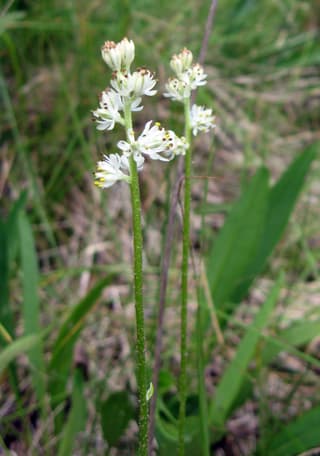
| Sticky false asphodel | Hard | Bright indirect | 1d | ✓ |
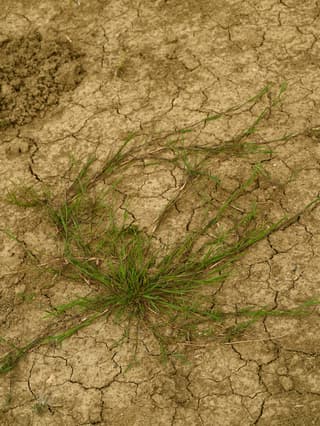
| Creeping bentgrass | Hard | Direct sun | 3d | ✓ |
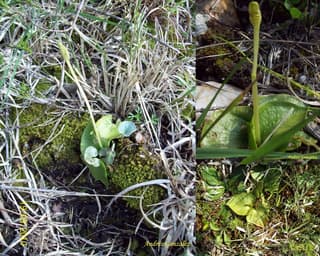
| Bulbous Adder's-tongue | Hard | Partial shade | 4d | ✓ |
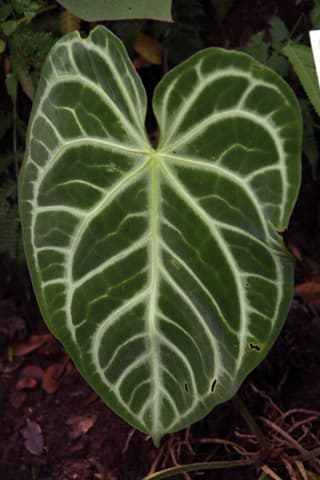
| Crystal Anthurium | Hard | Partial shade | 7d | ⚠️ |