Gentianaceae
Pygmy Gentian (Gentiana prostrata)
Gentiana prostrata
A true high-altitude specialist: give it constant moisture, cool temperatures, strong light and lean, fast-draining but water-retentive soil. It is very difficult to cultivate outside alpine gardens or rock troughs and is essentially unsuited to normal indoor conditions.
Every 3 days
Bright indirect
5° - 20°C
40% - 70%
Categories
What is Pygmy Gentian?
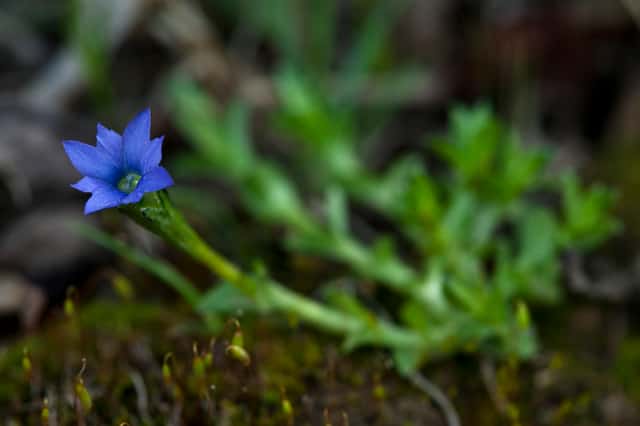
Pygmy Gentian (Gentiana prostrata) is a hard-care plant from the Gentianaceae family. Pygmy gentian (Gentiana prostrata) is a tiny alpine and arctic herb in the gentian family, forming loose cushions of prostrate to erect stems just 1-10 cm tall. Its small oval leaves hug the ground, and each stem bears a single, tubular, light blue flower with four spreading lobes that only fully op...
Pygmy Gentian grows up to 10cm, spread of 10cm, watering every 3 days, 5°C – 20°C, 40–70% humidity. It is not suitable for indoor environments and safe for pets.
Unlike easy-care plants, Pygmy Gentian demands constant attention to humidity and light. Not recommended for beginners. Unlike many popular species, Pygmy Gentian is safe to keep around pets.
How to Care for Pygmy Gentian?
TLDR: Pygmy Gentian needs Bright indirect, watering every 3 days, and temperatures between 5-20°C with 40-70% humidity.
How Often Should You Water Pygmy Gentian?
Keep the soil consistently moist, mimicking snowmelt-fed alpine meadows - never let it dry out, but avoid standing water since poor drainage quickly leads to root rot.
How Much Light Does Pygmy Gentian Need?
Provide full, strong sun as found at high elevation; the flowers only open fully under bright midday light and stay twisted shut in shade or overcast weather.
What Is the Best Soil for Pygmy Gentian?
Use a lean, gritty, moisture-retentive mix (peaty alpine soil over gravel) with slightly acidic pH; good drainage combined with steady moisture is essential.
What Pot Should You Use for Pygmy Gentian?
Not typically potted; best grown in an alpine trough, scree bed or rock garden with excellent drainage and constant moisture.
What Is Pygmy Gentian and Where Does It Come From?
Pygmy gentian (Gentiana prostrata) is a tiny alpine and arctic herb in the gentian family, forming loose cushions of prostrate to erect stems just 1-10 cm tall. Its small oval leaves hug the ground, and each stem bears a single, tubular, light blue flower with four spreading lobes that only fully opens under strong midday sun, twisting closed when shaded, touched or cloudy. Widely distributed across the alpine and subalpine zones of Eurasia, North America and the Andes, it grows in bogs, moist meadows, snowmelt-fed tundra and gravelly rock ledges, flowering from June to August depending on elevation.
How to Propagate Pygmy Gentian?
Seed sowing
Germination is slow and erratic; alpine trough or scree bed conditions with excellent drainage and steady moisture give the best results.
- 1 Collect ripe seed capsules in late summer
- 2 Cold-stratify seeds for 8-12 weeks in moist sand at 2-4C
- 3 Sow thinly on the surface of a gritty, peaty alpine mix
- 4 Keep constantly moist and in bright, cool conditions until germination
Materials needed:
How Big Does Pygmy Gentian Grow?
TLDR: Pygmy Gentian can reach up to 10cm tall with Slow growth rate.
Max height
10cm
Spread
10cm
Growth rate
Slow
Foliage
Deciduous
Plant Uses
Ornamental
Great for decoration
Is your plant showing symptoms?
Click on the symptom to discover possible causes:
What Diseases Commonly Affect Pygmy Gentian?
TLDR: Pygmy Gentian is susceptible to 5 known diseases. Monitor regularly for early detection.
Root Rot
Root rot is a serious fungal disease that affects the root system of plants, causing them to decay and die. It is primarily caused by overwatering, poor drainage, or soil-borne fungi such as Pythium, Phytophthora, Rhizoctonia, and Fusarium. The disease thrives in waterlogged conditions where roots are deprived of oxygen, making them susceptible to fungal infection.
Crown Rot
Crown rot is a serious fungal disease that attacks the crown (base) of the plant where the stem meets the soil. It is caused by various fungal pathogens including Phytophthora, Fusarium, and Rhizoctonia. The disease thrives in waterlogged conditions and can quickly spread to kill the entire plant if not addressed promptly.
Slugs and Snails
Slugs and snails are mollusks that feed on plant tissue, causing irregular holes in leaves and damage to young seedlings. They are most active at night and in moist conditions, leaving characteristic silvery slime trails. These pests can quickly devastate gardens, especially during wet seasons.
Aphids
Aphids are small, soft-bodied, pear-shaped insects (1/16 to 1/8 inch long) that feed by sucking nutrient-rich sap from plants. They reproduce rapidly and can quickly weaken plants, causing distorted growth and transmitting plant viruses. Aphids come in various colors including green, black, red, yellow, brown, and gray. They secrete honeydew, a sticky substance that attracts ants and encourages sooty mold growth.
Meaning & Symbolism
In alpine folklore the gentian's vivid blue bloom, opening only in full midday sun at high altitude, symbolizes fleeting joy, resilience and hidden beauty found in harsh places.
Fun Facts
Its flowers twist shut whenever shaded or touched, only opening fully in strong midday sun.
It is pollinated mainly by bumblebees at high elevation.
It grows across three continents - Eurasia, North America and South America - always in cold alpine or arctic habitat.
The whole plant is often under 10 cm tall, true to its "pygmy" name.
Frequently asked questions
How often should I water pygmy gentian?
Does pygmy gentian need full sun?
Can I grow pygmy gentian indoors?
Is pygmy gentian toxic to pets?
What soil does pygmy gentian prefer?
Compare with similar plants
| Attribute | Difficulty | Light | Watering | Pet Safe |
|---|---|---|---|---|
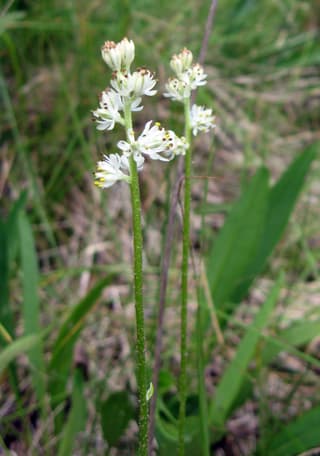
| Sticky false asphodel | Hard | Bright indirect | 1d | ✓ |
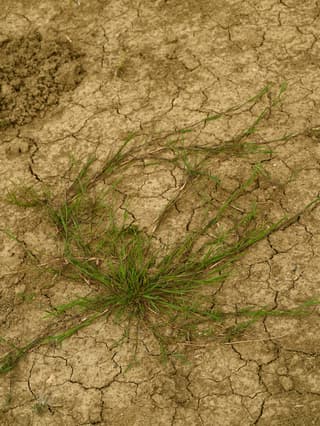
| Creeping bentgrass | Hard | Direct sun | 3d | ✓ |
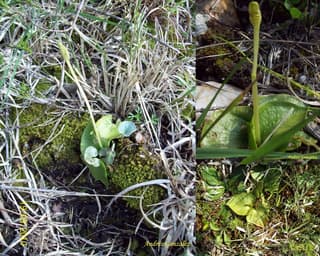
| Bulbous Adder's-tongue | Hard | Partial shade | 4d | ✓ |
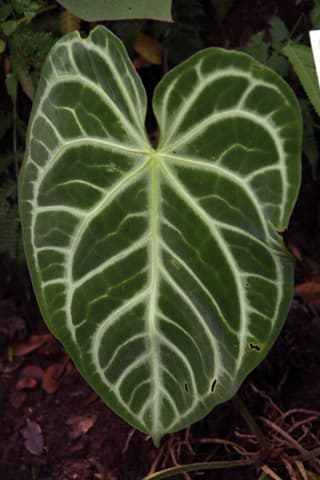
| Crystal Anthurium | Hard | Partial shade | 7d | ⚠️ |