Ericaceae
Wintergreen (Pyrola)
Pyrola
A woodland plant: part shade and humus-rich soil that never dries out. It relies on soil fungi, so it is very hard to grow and hates being disturbed.
Every 5 days
Low light
-20° - °C
% - %
Categories
What is Wintergreen?
Wintergreen (Pyrola) is a hard-care plant from the Ericaceae family. Pyrola is a genus of about 40 species in the heath family (Ericaceae), the same family as rhododendrons and blueberries. They are small woodland plants of the cold and temperate Northern Hemisphere, reaching south to Guatemala and Sumatra. They form a low rosette of rounded, leathery, glossy leaves...
Wintergreen grows up to 40cm, watering every 5 days. It is not suitable for indoor environments and safe for pets.
Unlike easy-care plants, Wintergreen demands constant attention to humidity and light. Not recommended for beginners. Unlike many popular species, Wintergreen is safe to keep around pets.
How to Care for Wintergreen?
TLDR: Wintergreen needs Low light, watering every 5 days, and temperatures between -20-30°C with 40-70% humidity.
How Often Should You Water Wintergreen?
Do not let the soil dry out: water every 4 or 5 days in warm weather, or as soon as the surface starts to lose moisture, without leaving it waterlogged.
How Much Light Does Wintergreen Need?
Part shade or dappled shade, like under trees. Strong afternoon sun scorches the leaves.
What Is the Best Soil for Wintergreen?
Loose woodland soil full of leaf mould that holds moisture. If you can, use soil taken from around an established plant, which carries the fungi it needs.
What Pot Should You Use for Wintergreen?
Best in the ground, in a shady woodland bed or rock garden. In a container, only a wide shallow one filled with the plant's original soil.
What Is Wintergreen and Where Does It Come From?
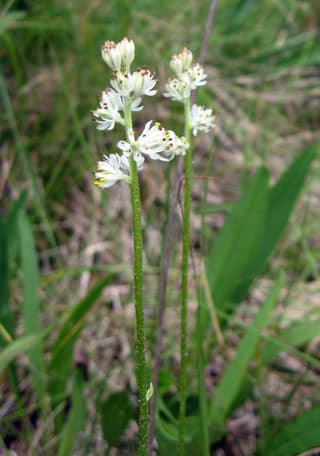
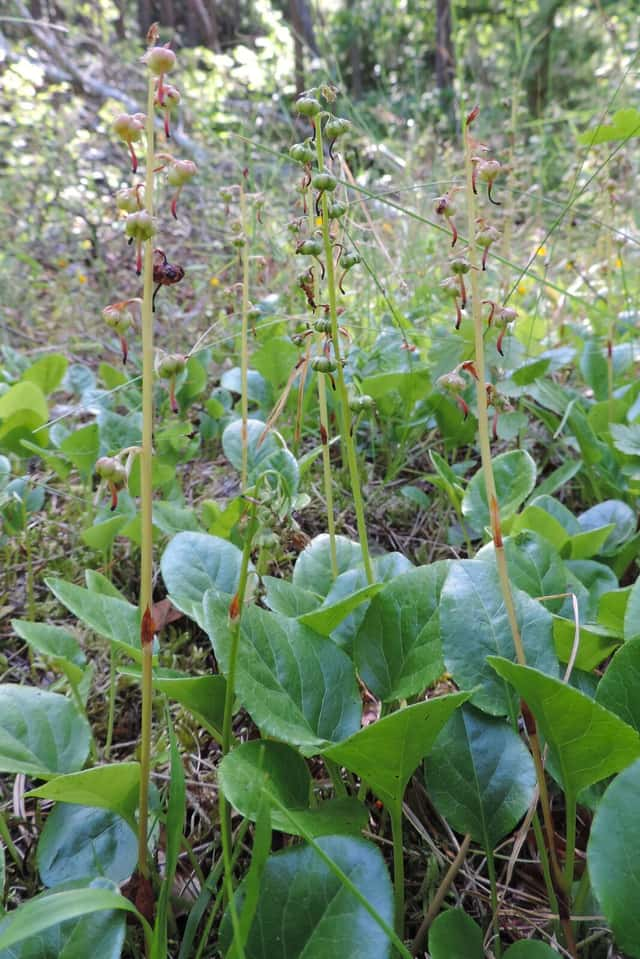
Pyrola is a genus of about 40 species in the heath family (Ericaceae), the same family as rhododendrons and blueberries. They are small woodland plants of the cold and temperate Northern Hemisphere, reaching south to Guatemala and Sumatra. They form a low rosette of rounded, leathery, glossy leaves that stay green all winter, and in summer send up a leafless stalk 20 to 40 cm tall hung with nodding white, pink or greenish bells. They live in partnership with soil fungi and take part of their food from them. That is why they rarely survive in pots or away from their home woodland, and why they are seldom sold.
How to Propagate Wintergreen?
Division
It tolerates root disturbance badly. Bringing the original soil along helps because it carries the partner fungi. The seed is dust-fine and rarely germinates outside a lab.
- 1 Choose a large, well-established clump
- 2 Cut out a piece with roots and plenty of surrounding soil, keeping the root ball intact
- 3 Replant straight away in part shade in woodland soil
- 4 Keep the soil moist until new leaves appear
Materials needed:
How Big Does Wintergreen Grow?
TLDR: Wintergreen can reach up to 40cm tall with Slow growth rate.
Max height
40cm
Growth rate
Slow
Foliage
Evergreen
Plant Uses
Ornamental
Great for decoration
Ground Cover
Soil coverage
Medicinal
Medicinal properties
Medicinal Uses
- Shinleaf (Pyrola elliptica) leaves were used as a poultice on bruises in North American folk medicine. Do not use without professional advice.
Is your plant showing symptoms?
Click on the symptom to discover possible causes:
What Diseases Commonly Affect Wintergreen?
TLDR: Wintergreen is susceptible to 3 known diseases. Monitor regularly for early detection.
Transplant Shock
Transplant shock is a stress response that occurs when plants are abruptly moved from one environment to another. This environmental condition affects plants during repotting, moving between indoor/outdoor locations, or transplanting from nursery pots to gardens. Root damage during the move is the primary cause, making it nearly impossible to completely avoid some degree of stress.
Underwatering
Water deficiency occurs when a plant cannot absorb enough moisture to meet its transpiration and metabolic demands. Also known as drought stress or underwatering, this condition deprives cells of turgor pressure, leading to wilting, leaf scorch, and — if prolonged — permanent root and tissue damage. It is one of the most common causes of houseplant decline and is fully reversible when caught early.
Sunburn (Sun Scorch)
Sunburn or sun scorch is an environmental condition that occurs when plants are exposed to intense, direct sunlight beyond their tolerance level. This causes the breakdown of chlorophyll in the leaves, resulting in bleached, dried, and damaged foliage. The damage can happen rapidly, sometimes within just a few hours of exposure.
Fun Facts
Part of its food comes from soil fungi, not only from photosynthesis
Some Pyrola plants go through leafless phases, living only off the fungi
The seeds are so small they look like dust
Frequently asked questions
Can I grow wintergreen (Pyrola) in a pot?
Why is it called wintergreen?
Is Pyrola the source of wintergreen oil?
Compare with similar plants
| Attribute | Difficulty | Light | Watering | Pet Safe |
|---|---|---|---|---|
| Azalea | Medium | Partial shade | 3d | ⚠️ |
| Sticky false asphodel | Hard | Bright indirect | 1d | ✓ |
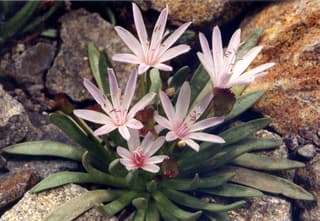
| Truckee lewisia | Hard | Bright indirect | 10d | ✓ |
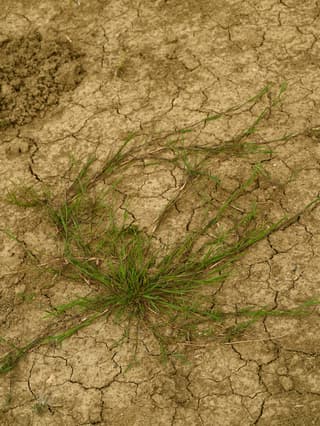
| Creeping bentgrass | Hard | Direct sun | 3d | ✓ |