Ericaceae
Satsuki Azalea (Rhododendron indicum)
Rhododendron indicum
Medium difficulty plant, recommended for outdoor cultivation. Requires acidic, moist soil, partial to full sun, and frequent watering. Intolerant of lime in water and waterlogged soils. Excellent for bonsai cultivation.
Every 3 days
Bright indirect
-5° - 35°C
50% - 70%
Categories
What is Satsuki Azalea?
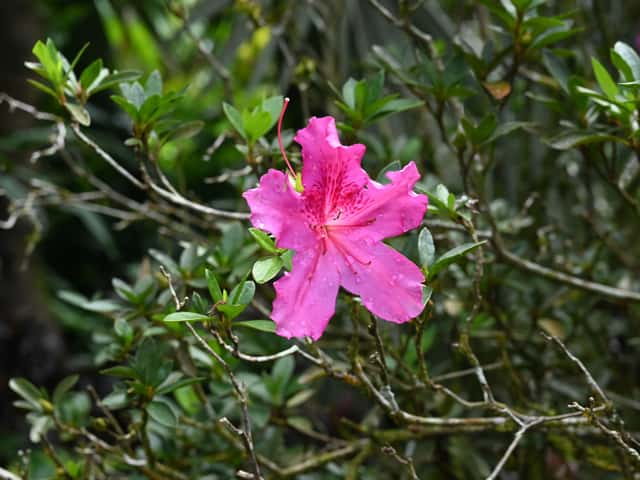
Satsuki Azalea (Rhododendron indicum) is a medium-care plant from the Ericaceae family. The Satsuki Azalea (Rhododendron indicum) is an evergreen shrub native to Japan, widely cultivated as a bonsai and ornamental garden plant. It produces spectacular flowers in shades of pink, red, white, and purple in late spring. It is one of the most prized species in Japanese bonsai art. WARNING:...
Satsuki Azalea grows up to 90cm, spread of 90cm, watering every 3 days, -5°C – 35°C, 50–70% humidity. It is not suitable for indoor environments and not safe for pets.
Without precautions, ingestion can cause irritation in pets. Keep out of reach of cats and dogs.
How to Care for Satsuki Azalea?
TLDR: Satsuki Azalea needs Bright indirect, watering every 3 days, and temperatures between -5-35°C with 50-70% humidity.
How Often Should You Water Satsuki Azalea?
Water every 2-3 days, keeping soil consistently moist but never waterlogged. Use rainwater or filtered water, as tap water lime can raise soil pH and harm the plant. Check moisture daily in summer.
How Much Light Does Satsuki Azalea Need?
Prefers full to partial sun (5,000–30,000 lux). Provide afternoon shade during intense summer heat. Full sun is essential for developing flower buds for the next season.
What Is the Best Soil for Satsuki Azalea?
Use acidic azalea-specific mix or Kanuma (Japanese volcanic soil). Ideal pH between 4.5 and 6.0. Avoid clay or water-retaining soils. Excellent drainage is essential.
What Pot Should You Use for Satsuki Azalea?
Ceramic pot with good drainage for garden use. For bonsai, use shallow Japanese ceramic pots (tokoname style) with multiple drainage holes. Avoid metal or dark plastic pots that retain heat.
Care Schedule
Fertilize
Every 30 days
Repot
Every 730 days
What Is Satsuki Azalea and Where Does It Come From?
The Satsuki Azalea (Rhododendron indicum) is an evergreen shrub native to Japan, widely cultivated as a bonsai and ornamental garden plant. It produces spectacular flowers in shades of pink, red, white, and purple in late spring. It is one of the most prized species in Japanese bonsai art. WARNING: All parts of the plant are toxic to humans and animals due to grayanotoxins.
How to Propagate Satsuki Azalea?
Stem Cutting
Use clean, disinfected tools. Keep medium slightly moist, never waterlogged. High air humidity promotes rooting.
- 1 Take a semi-hardwood cutting of 8-10 cm after flowering
- 2 Remove lower leaves, keeping 2-3 at the top
- 3 Apply rooting hormone to the cut base
- 4 Plant in moist acidic medium (Kanuma or peat)
- 5 Keep in a shaded location with high humidity for 4-6 weeks
Materials needed:
Air Layering
Layering has a high success rate and is recommended for beginners.
- 1 Select a healthy, flexible branch
- 2 Make a shallow cut in the bark and apply rooting hormone
- 3 Wrap the cut with moist sphagnum moss and cover with plastic
- 4 Wait for rooting before separating from the parent plant
Materials needed:
How Big Does Satsuki Azalea Grow?
TLDR: Satsuki Azalea can reach up to 90cm tall with Slow growth rate.
Max height
90cm
Spread
90cm
Growth rate
Slow
Foliage
Evergreen
Warning: Toxic Plant
This plant can be toxic if ingested. Keep out of reach of:
Plant Uses
Ornamental
Great for decoration
Is your plant showing symptoms?
Click on the symptom to discover possible causes:
What Diseases Commonly Affect Satsuki Azalea?
TLDR: Satsuki Azalea is susceptible to 15 known diseases. Monitor regularly for early detection.
Root Rot
Root rot is a serious fungal disease that affects the root system of plants, causing them to decay and die. It is primarily caused by overwatering, poor drainage, or soil-borne fungi such as Pythium, Phytophthora, Rhizoctonia, and Fusarium. The disease thrives in waterlogged conditions where roots are deprived of oxygen, making them susceptible to fungal infection.
Crown Rot
Crown rot is a serious fungal disease that attacks the crown (base) of the plant where the stem meets the soil. It is caused by various fungal pathogens including Phytophthora, Fusarium, and Rhizoctonia. The disease thrives in waterlogged conditions and can quickly spread to kill the entire plant if not addressed promptly.
Phytophthora Root Rot
Disease caused by fungus-like organisms (oomycetes) that live in soil and can survive for years. It affects roots, stem, and crown of plants, being especially severe in waterlogged or poorly drained soils. It is the second most common cause of root rot in trees and shrubs.
Canker
Canker is a disease caused by various fungi and bacteria that create necrotic, sunken areas on bark of branches, stems, and trunks. Pathogens enter through wounds and natural openings, especially when plants are stressed. Canker can gradually weaken or kill branches by disrupting water and nutrient flow.
Meaning & Symbolism
In Japan, symbolizes beauty, femininity, and the delicacy of life. Associated with the changing seasons and the tradition of Japanese bonsai.
Fun Facts
One of the most iconic species in Japanese bonsai art, practiced for centuries.
The name satsuki is Japanese for the fifth month, when the plant traditionally blooms.
Its flowers can display bicolor and variegated patterns on the same plant.
Honey produced by bees visiting azaleas can cause grayanotoxin poisoning in humans.
Frequently asked questions
Is Satsuki Azalea toxic to cats and dogs?
How often should I water Satsuki Azalea?
Can I grow Satsuki Azalea indoors?
When does Satsuki Azalea bloom?
What soil is best for Satsuki Azalea?
Compare with similar plants
| Attribute | Difficulty | Light | Watering | Pet Safe |
|---|---|---|---|---|
| Dark Fieldcap | Medium | Low light | 2d | ⚠️ |
| Azalea | Medium | Partial shade | 3d | ⚠️ |
| Muriel's Bamboo | Medium | Partial shade | 3d | ✓ |
| Bougainvillea | Medium | Direct sun | 7d | ⚠️ |




