Sarraceniaceae
Sweet Pitcher Plant: Full Sun Plant
Sarracenia rubra
Give it full sun, keep the soil constantly wet with pure water, and never fertilize -- it feeds itself on insects. Grow it in a peat-based, mineral-free mix and let it go dormant through winter for healthy growth the following year.
Every 3 days
Direct sun
4° - 35°C
40% - 70%
Categories
What is Sweet Pitcher Plant?
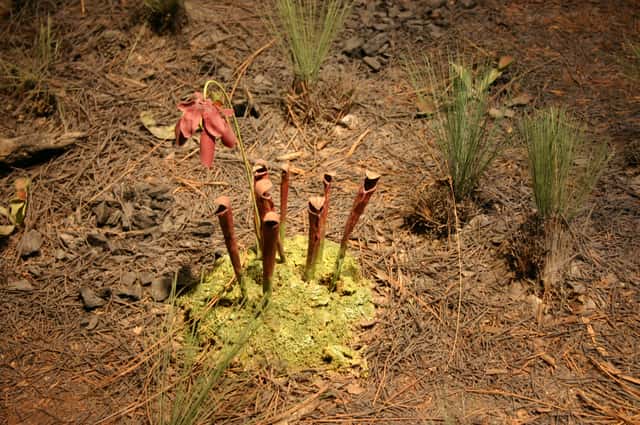
Sweet Pitcher Plant (Sarracenia rubra) is a hard-care plant from the Sarraceniaceae family. Sarracenia rubra is a clump-forming carnivorous perennial native to the acidic, nutrient-poor bogs and seepage slopes of the southeastern United States, from the Florida Panhandle and Alabama through Georgia to the coastal plains of the Carolinas. Its narrow, upright pitchers -- usually under 65 cm...
Sweet Pitcher Plant grows up to 65cm, spread of 50cm, watering every 3 days, 4°C – 35°C, 40–70% humidity. It is not suitable for indoor environments and safe for pets.
Unlike easy-care plants, Sweet Pitcher Plant demands constant attention to humidity and light. Not recommended for beginners. Unlike many popular species, Sweet Pitcher Plant is safe to keep around pets.
How to Care for Sweet Pitcher Plant?
TLDR: Sweet Pitcher Plant needs Direct sun, watering every 3 days, and temperatures between 4-35°C with 40-70% humidity.
How Often Should You Water Sweet Pitcher Plant?
Keep the soil constantly damp to wet -- stand the pot in a shallow tray with about 2-3 cm of water and never let it dry out. Always use rainwater, distilled water, or reverse-osmosis water; tap or mineral water contains salts that can kill it. Reduce watering slightly in winter dormancy but never let the mix go bone dry.
How Much Light Does Sweet Pitcher Plant Need?
Provide full sun -- at least 6 hours of direct light daily. Indoors, it needs a very bright south-facing window or supplemental grow lights for 12-16 hours a day; too little light causes weak, floppy pitchers and poor red coloration.
What Is the Best Soil for Sweet Pitcher Plant?
Use a nutrient-free, acidic mix of 2 parts sphagnum peat moss to 1 part lime-free horticultural sand or perlite. Never use regular potting soil, compost, or fertilizer -- both will damage the roots and disrupt the plant's natural feeding process.
What Pot Should You Use for Sweet Pitcher Plant?
A plastic nursery pot (unglazed clay wicks away moisture and minerals) with no fertilizer added, kept standing in a shallow water tray using the pure-water method.
Care Schedule
Repot
Every 730 days
What Is Sweet Pitcher Plant and Where Does It Come From?
Sarracenia rubra is a clump-forming carnivorous perennial native to the acidic, nutrient-poor bogs and seepage slopes of the southeastern United States, from the Florida Panhandle and Alabama through Georgia to the coastal plains of the Carolinas. Its narrow, upright pitchers -- usually under 65 cm tall -- lure insects with nectar and a sweet scent, then trap them using downward-pointing hairs and a slick, waxy inner wall. In spring the plant sends up striking maroon-red, umbrella-shaped flowers with long, dangling petals before the summer flush of taller pitchers appears. Because it evolved in soils too poor to support ordinary plants, it depends on trapped insects rather than fertilizer for nitrogen and phosphorus, and it requires a genuine winter dormancy to thrive long-term.
How to Propagate Sweet Pitcher Plant?
Rhizome Division
Dust cut surfaces with cinnamon or a fungicide to prevent rot, and be patient -- divisions can sulk for several weeks before resuming growth.
- 1 Unpot the mature clump at the start of spring before new growth emerges.
- 2 Rinse excess mix off the rhizome so the growth points are visible.
- 3 Cut the rhizome apart with a sterile blade, keeping at least one growth point and some roots on each section.
- 4 Pot each division in fresh peat/sand mix and stand it in a water tray.
- 5 Keep humidity high and out of direct hot sun until new pitchers appear.
Materials needed:
Seed Propagation
Germination is slow and uneven -- do not discard the tray for at least a full growing season.
- 1 Cold-stratify seeds in moist peat in a sealed bag in the refrigerator for 4-6 weeks.
- 2 Sow seeds on the surface of damp milled sphagnum or peat/sand mix without covering them.
- 3 Keep the tray in a humidity dome under bright light at 21-27 C.
- 4 Maintain constant moisture with pure water until seedlings appear, which can take 4-8 weeks.
- 5 Grow seedlings on for 2-3 years before they reach flowering size.
Materials needed:
How Big Does Sweet Pitcher Plant Grow?
TLDR: Sweet Pitcher Plant can reach up to 65cm tall with Slow growth rate.
Max height
65cm
Spread
50cm
Growth rate
Slow
Foliage
Deciduous
Plant Uses
Ornamental
Great for decoration
Is your plant showing symptoms?
Click on the symptom to discover possible causes:
What Diseases Commonly Affect Sweet Pitcher Plant?
TLDR: Sweet Pitcher Plant is susceptible to 9 known diseases. Monitor regularly for early detection.
Root Rot
Root rot is a serious fungal disease that affects the root system of plants, causing them to decay and die. It is primarily caused by overwatering, poor drainage, or soil-borne fungi such as Pythium, Phytophthora, Rhizoctonia, and Fusarium. The disease thrives in waterlogged conditions where roots are deprived of oxygen, making them susceptible to fungal infection.
Grey Mould
Leaf Spot
Leaf spot is a common fungal disease caused by various pathogens including Alternaria, Ascochyta, Colletotrichum, Septoria, and Venturia. It primarily affects leaves, causing discolored spots that can lead to premature leaf drop if left untreated.
Powdery Mildew
Powdery mildew is a common fungal disease caused by various fungi species including Erysiphe, Podosphaera, Oïdium, and Leveillula. It affects over 10,000 plant species worldwide. The disease thrives in warm, dry climates with high humidity and appears as a distinctive white powdery coating on plant surfaces.
Meaning & Symbolism
Represents resourcefulness, adaptation, and the quiet danger hidden in beauty -- a plant that turned scarcity into strategy by learning to lure and trap rather than simply grow.
Compare with similar plants
| Attribute | Difficulty | Light | Watering | Pet Safe |
|---|---|---|---|---|
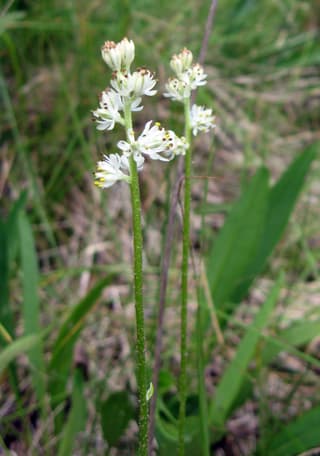
| Sticky false asphodel | Hard | Bright indirect | 1d | ✓ |
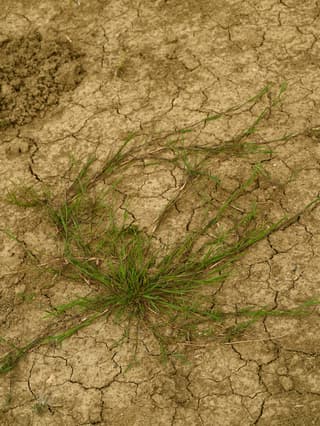
| Creeping bentgrass | Hard | Direct sun | 3d | ✓ |
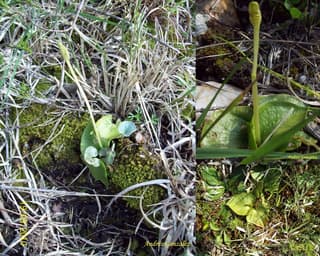
| Bulbous Adder's-tongue | Hard | Partial shade | 4d | ✓ |
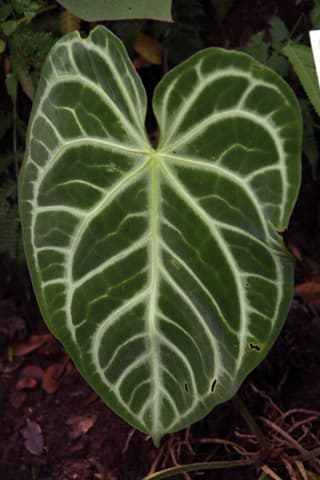
| Crystal Anthurium | Hard | Partial shade | 7d | ⚠️ |
Choose & Compare
Sources & References
- Sarracenia rubra - NC State Extension Gardener Plant Toolbox
- Sarracenia rubra - Wikipedia
- Pitcher Plant Problems - Common Pests And Diseases Of Pitcher Plant
- American Pitcher Plant (Sarracenia) - Carnivorous Plant Care - NYBG Research Guides
- Sarracenia rubra - Plants of the World Online, Kew Science