Solanaceae
Tabasco Pepper (Capsicum frutescens): Complete Growing & Care Guide
Capsicum frutescens
Full sun plant requiring at least 6-8 hours of direct sunlight daily. Water every 2-3 days keeping soil evenly moist but never soggy. Use well-draining, fertile soil with pH 6.0-6.8. Fertilize monthly during the growing season. Suitable for containers and garden beds.
Every 3 days
Direct sun
18° - 35°C
50% - 70%
Categories
What is Tabasco Pepper?
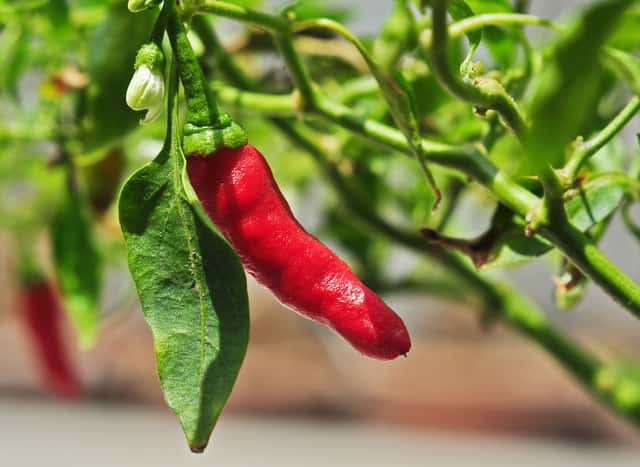
Tabasco Pepper (Capsicum frutescens) is a medium-care plant from the Solanaceae family. Capsicum frutescens, commonly known as the Tabasco Pepper or Bird's Eye Pepper, is a species of chili pepper in the Solanaceae family, native to tropical Americas. This iconic hot pepper species produces small, extremely pungent fruits that ripen from green to bright red. It includes famous cultivar...
Tabasco Pepper grows up to 1.2m, spread of 60cm, watering every 3 days, 18°C – 35°C, 50–70% humidity. It is suitable for indoor environments and safe for pets.
Unlike many popular species, Tabasco Pepper is safe to keep around pets. Without adequate drainage, root rot can develop within 7 days.
How to Care for Tabasco Pepper?
TLDR: Tabasco Pepper needs Direct sun, watering every 3 days, and temperatures between 18-35°C with 50-70% humidity.
How Often Should You Water Tabasco Pepper?
Water every 2-3 days, keeping soil consistently moist but not waterlogged. Always water at the base to prevent fungal leaf diseases. Container plants dry faster — check soil moisture regularly. Slightly drier conditions produce hotter fruits due to increased capsaicin production.
How Much Light Does Tabasco Pepper Need?
Capsicum frutescens demands full sun with a minimum of 6-8 hours of direct light daily — non-negotiable for good fruit development. Indoors, place near south-facing windows or supplement with full-spectrum grow lights.
What Is the Best Soil for Tabasco Pepper?
Use well-draining, fertile soil with a pH of 6.0-6.8. Amend with compost or aged manure before planting. Avoid compacted or poorly drained soils which encourage root rot. For containers, use a nutrient-rich potting mix with perlite for improved drainage.
What Pot Should You Use for Tabasco Pepper?
Terracotta or ceramic pot with drainage holes, minimum 8-12 inches (20-30 cm) in diameter for adequate fruit production.
Care Schedule
Fertilize
Every 30 days
Repot
Every 365 days
What Is Tabasco Pepper and Where Does It Come From?
Capsicum frutescens, commonly known as the Tabasco Pepper or Bird's Eye Pepper, is a species of chili pepper in the Solanaceae family, native to tropical Americas. This iconic hot pepper species produces small, extremely pungent fruits that ripen from green to bright red. It includes famous cultivars such as Tabasco and Malagueta, and is distinct from the more common Capsicum annuum. Prized worldwide for its intense heat and fruity flavor, it is a cornerstone of hot sauces and spicy cuisines globally.
How to Propagate Tabasco Pepper?
Seed Propagation
Collect seeds from fully ripe red fruits for highest germination rates. Keep the germination medium consistently moist but not wet. Use a heat mat to maintain ideal soil temperature.
- 1 Start seeds indoors 8-10 weeks before the last frost date
- 2 Sow in moist, well-draining seed-starting mix
- 3 Maintain soil temperature of 75-85°F (24-29°C) for best germination
- 4 Transplant outdoors after last frost when nights stay above 60°F (15°C)
- 5 Harden seedlings gradually before full outdoor exposure
Materials needed:
How Big Does Tabasco Pepper Grow?
TLDR: Tabasco Pepper can reach up to 1.2m tall with Fast growth rate.
Max height
1.2m
Spread
60cm
Growth rate
Fast
Foliage
Evergreen
Plant Uses
Edible
Can be consumed
Medicinal
Medicinal properties
Ornamental
Great for decoration
Medicinal Uses
- Natural analgesic — capsaicin is used in topical pain-relief creams and patches
- Anti-inflammatory properties support joint and muscle pain management
- Stimulates blood circulation and metabolism
- Rich source of vitamins C, A, and antioxidants
Culinary Uses
- Foundation ingredient for Tabasco hot sauce and artisan hot sauces
- Fresh salsas, chutneys, and pickles
- Dried flakes and chili powder
- Vinegar infusions and hot honey
- Caribbean and Latin American spicy dishes
- African peri-peri cuisine
Is your plant showing symptoms?
Click on the symptom to discover possible causes:
What Diseases Commonly Affect Tabasco Pepper?
TLDR: Tabasco Pepper is susceptible to 16 known diseases. Monitor regularly for early detection.
Root Rot
Root rot is a serious fungal disease that affects the root system of plants, causing them to decay and die. It is primarily caused by overwatering, poor drainage, or soil-borne fungi such as Pythium, Phytophthora, Rhizoctonia, and Fusarium. The disease thrives in waterlogged conditions where roots are deprived of oxygen, making them susceptible to fungal infection.
Powdery Mildew
Powdery mildew is a common fungal disease caused by various fungi species including Erysiphe, Podosphaera, Oïdium, and Leveillula. It affects over 10,000 plant species worldwide. The disease thrives in warm, dry climates with high humidity and appears as a distinctive white powdery coating on plant surfaces.
Anthracnose
Anthracnose is a fungal disease caused by fungi in the genus Colletotrichum that affects many plants, including vegetables, fruits, and trees. The disease thrives in cool, wet conditions, causing dark, sunken lesions on leaves, stems, flowers, and fruits.
Bacterial Leaf Spot
Bacterial leaf spot is a plant disease caused by bacteria in the Xanthomonas and Pseudomonas genera that affects various ornamental and edible plants. The bacteria infect leaves through wounds or natural openings, causing characteristic lesions that can lead to premature leaf drop and plant weakening.
Meaning & Symbolism
Symbol of heat, passion and culinary fire across Latin American and Caribbean cultures. The Tabasco pepper became a global icon through the famous hot sauce bearing its name, produced since the 1860s in Louisiana.
Fun Facts
The Tabasco hot sauce brand, made from Capsicum frutescens, has been produced on Avery Island, Louisiana since 1869
Capsaicin from C. frutescens is used in pharmaceutical pain-relief products sold worldwide
Despite its fiery reputation, the fruit is rich in vitamin C — more than oranges by weight
Malagueta peppers were spread to Africa and Asia by Portuguese traders in the 16th century, fundamentally changing global cuisines
Frequently asked questions
How often should I water Capsicum frutescens?
Can Tabasco Pepper be grown indoors?
How hot is Capsicum frutescens?
Is Capsicum frutescens toxic to pets?
What is the difference between Capsicum frutescens and Capsicum annuum?
Compare with similar plants
| Attribute | Difficulty | Light | Watering | Pet Safe |
|---|---|---|---|---|
| Dark Fieldcap | Medium | Low light | 2d | ⚠️ |
| Azalea | Medium | Partial shade | 3d | ⚠️ |
| Muriel's Bamboo | Medium | Partial shade | 3d | ✓ |
| Bougainvillea | Medium | Direct sun | 7d | ⚠️ |