Malvaceae
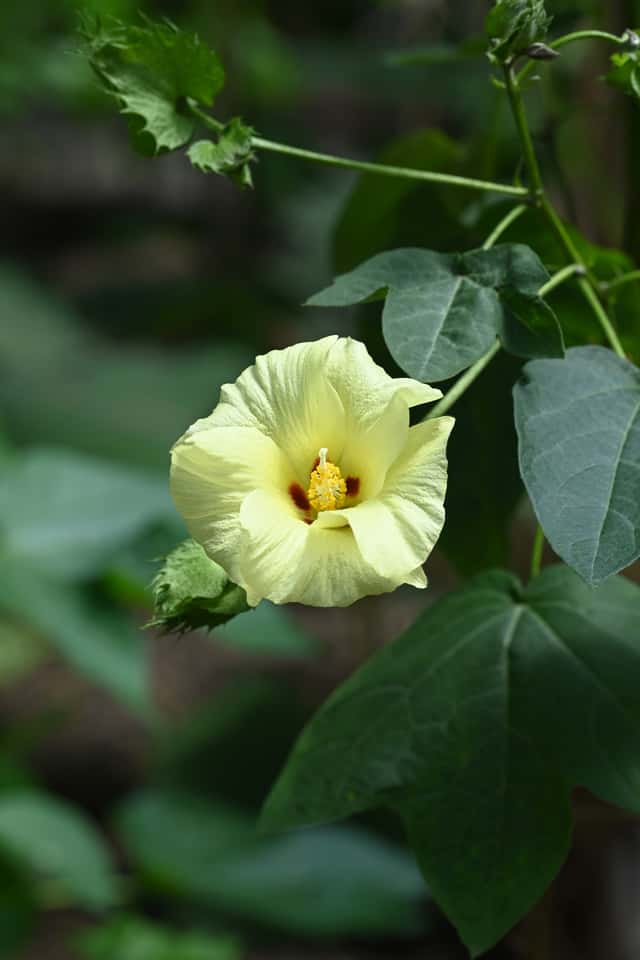
Upland Cotton — How to Grow Gossypium hirsutum
Gossypium hirsutum
Grow in full sun with well-draining soil. Water weekly, avoiding waterlogged conditions. Fertilize every 6-8 weeks during the growing season. Prune lightly in early spring to encourage new growth.
Every 7 days
Direct sun
5° - 35°C
40% - 70%
Categories
What is Upland Cotton?
Upland Cotton (Gossypium hirsutum) is a medium-care plant from the Malvaceae family. Gossypium hirsutum, commonly known as upland cotton, is the most widely cultivated cotton species in the world, accounting for approximately 90% of global cotton fiber production. Native to Mexico and Central America, it is an annual or short-lived perennial shrub grown primarily for its fiber, oil,...
Upland Cotton grows up to 1.5m, spread of 150cm, watering every 7 days, 5°C – 35°C, 40–70% humidity. It is not suitable for indoor environments and not safe for pets.
Without precautions, ingestion can cause irritation in pets. Keep out of reach of cats and dogs.
How to Care for Upland Cotton?
TLDR: Upland Cotton needs Direct sun, watering every 7 days, and temperatures between 5-35°C with 40-70% humidity.
How Often Should You Water Upland Cotton?
Water weekly, keeping the soil consistently moist but not waterlogged. Upland cotton is moderately sensitive to drought, especially during flowering and boll formation.
How Much Light Does Upland Cotton Need?
Requires full sun (at least 6-8 hours daily). Cannot tolerate shade. Direct sunlight is essential for healthy growth and fiber production.
What Is the Best Soil for Upland Cotton?
Prefers well-draining soil with slightly acidic to neutral pH (6.0-7.5). Add sand or perlite to improve drainage. Does not tolerate waterlogged soils.
What Pot Should You Use for Upland Cotton?
Outdoor garden bed or large container (minimum 12-inch diameter) with good drainage
Care Schedule
Fertilize
Every 49 days
What Is Upland Cotton and Where Does It Come From?
Gossypium hirsutum, commonly known as upland cotton, is the most widely cultivated cotton species in the world, accounting for approximately 90% of global cotton fiber production. Native to Mexico and Central America, it is an annual or short-lived perennial shrub grown primarily for its fiber, oil, and ornamental value.
How to Propagate Upland Cotton?
Direct Seeding
Use fresh seeds for best germination rates. Warm the soil before planting to speed up germination. Pre-soaking seeds for 24 hours can improve germination.
- 1 Sow seeds 1 inch deep in warm soil (minimum 65°F/18°C)
- 2 Space seeds 12-18 inches apart
- 3 Keep soil moist until germination
- 4 Transplant seedlings after the last frost date
Materials needed:
How Big Does Upland Cotton Grow?
TLDR: Upland Cotton can reach up to 1.5m tall with Medium growth rate.
Max height
1.5m
Spread
1.5m
Growth rate
Medium
Foliage
Deciduous
Warning: Toxic Plant
This plant can be toxic if ingested. Keep out of reach of:
Plant Uses
Ornamental
Great for decoration
Edible
Can be consumed
Medicinal Uses
- Root extracts used in folk medicine for menstrual disorders
- Seed oil has anti-inflammatory properties
Culinary Uses
- Cottonseed oil widely used in cooking and food processing
- Seeds consumed roasted in some traditional cultures
Is your plant showing symptoms?
Click on the symptom to discover possible causes:
What Diseases Commonly Affect Upland Cotton?
TLDR: Upland Cotton is susceptible to 7 known diseases. Monitor regularly for early detection.
Fusarium Wilt
Fusarium wilt is a serious fungal disease caused by the soil-borne fungus Fusarium oxysporum. The fungus invades roots and blocks the water-conducting vessels (xylem) of the plant, causing progressive wilting and eventual death. Host-specific forms of the pathogen exist that attack different plant species.
Root Rot
Root rot is a serious fungal disease that affects the root system of plants, causing them to decay and die. It is primarily caused by overwatering, poor drainage, or soil-borne fungi such as Pythium, Phytophthora, Rhizoctonia, and Fusarium. The disease thrives in waterlogged conditions where roots are deprived of oxygen, making them susceptible to fungal infection.
Aphids
Aphids are small, soft-bodied, pear-shaped insects (1/16 to 1/8 inch long) that feed by sucking nutrient-rich sap from plants. They reproduce rapidly and can quickly weaken plants, causing distorted growth and transmitting plant viruses. Aphids come in various colors including green, black, red, yellow, brown, and gray. They secrete honeydew, a sticky substance that attracts ants and encourages sooty mold growth.
Bacterial Blight
Bacterial blight is a serious plant disease caused by pathogenic bacteria that enters plants through wounds or natural openings. It spreads rapidly in warm, wet conditions and can cause significant damage to leaves, stems, and flowers. The bacteria are transmitted by water splash, contaminated tools, and insects.
Meaning & Symbolism
Associated with luck, healing, and protection in various traditional cultures worldwide.
Fun Facts
Upland cotton accounts for about 90% of all cotton produced worldwide
Cotton flowers change color: they open white or yellow and turn pink or purple after pollination
A single cotton seed can produce up to 200,000 individual fibers
Cotton has been cultivated for over 5,000 years in Mexico and Central America
Frequently asked questions
How often should I water upland cotton?
Is upland cotton toxic to pets?
Can I grow cotton in a container?
When does upland cotton flower?
What hardiness zones is upland cotton suited for?
Compare with similar plants
| Attribute | Difficulty | Light | Watering | Pet Safe |
|---|---|---|---|---|
| Dark Fieldcap | Medium | Low light | 2d | ⚠️ |
| Azalea | Medium | Partial shade | 3d | ⚠️ |
| Muriel's Bamboo | Medium | Partial shade | 3d | ✓ |
| Bougainvillea | Medium | Direct sun | 7d | ⚠️ |




