Dust Accumulation: Environmental Stress | How to Fix
The buildup of dust on leaves blocks sunlight and clogs the plant's pores (stomata). This inhibits photosynthesis and respiration, leading to stunted growth and a dull appearance.
Slow
5 days
What is Dust Accumulation?
Dust Accumulation is a environmental condition with low severity that affects plants. The buildup of dust on leaves blocks sunlight and clogs the plant's pores (stomata). This inhibits photosynthesis and respiration, leading to stunted growth and a dull appearance.
Dust Accumulation is a environmental disease with low severity that spreads at a slow rate. Recovery typically takes approximately 5 days with proper treatment.
Unlike infectious diseases, Dust Accumulation is caused by environmental conditions. Without correcting the environment, symptoms return even after treatment. Unlike severe diseases, Dust Accumulation is rarely fatal. Best treated with homemade organic methods. Unlike many common diseases, Dust Accumulation is not contagious between plants.
🔍 What Are the Symptoms of Dust Accumulation?
TLDR: Dust Accumulation presents 4 main symptoms. Early identification is crucial for effective treatment.
Main Symptoms
- ! Visible layer of gray or brown particles on the leaves
- ! Matte or lackluster leaf appearance
- ! Slowed plant growth
- ! Leaves that feel rough to the touch
Visual Signs
❓ What Causes Dust Accumulation in Plants?
- → Lack of periodic leaf cleaning
- → Low indoor humidity
- → Placement near open windows or ventilation sources
💊 How to Treat Dust Accumulation?
Step by Step
- 1
Prepare a soft cloth and lukewarm water
- 2
Wipe each leaf individually on both sides
- 3
Mist the plant to remove fine debris
- 4
Check the condition of the pores after cleaning
🧪 Natural vs Chemical: Which Treatment Works for Dust Accumulation?
🌱 Natural Solutions
- ✓ Lukewarm distilled water
- ✓ A mixture of water and a small amount of milk for shine
- ✓ Diluted neem oil for protection
💉 Chemical Solutions
- ✓ Commercial leaf shine solutions
🛡️ How to Prevent Dust Accumulation?
TLDR: Prevent Dust Accumulation with 3 essential care practices. Regular monitoring is key for early detection.
- ✓ Wipe leaves with a damp cloth once a month
- ✓ Use a humidifier to reduce airborne dust
- ✓ Mist the plant periodically with distilled water
🔗Related Diseases
Severe Defoliation
HighThis condition involves a sudden and massive loss of leaves caused by adverse environmental factors. The plant sheds its foliage in an attempt to survive extreme stress, such as abrupt temperature changes, improper watering, or transplant shock. If the underlying cause is not addressed, the plant may completely wither and die.
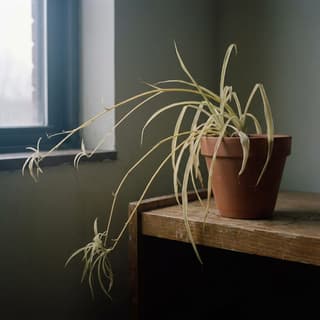
Low Light Stress
MediumLow light stress, also known as etiolation, occurs when plants do not receive adequate light for proper growth and development. This leads to abnormal growth patterns characterized by elongated stems, pale leaves, and weakened overall structure as the plant attempts to reach toward available light sources.
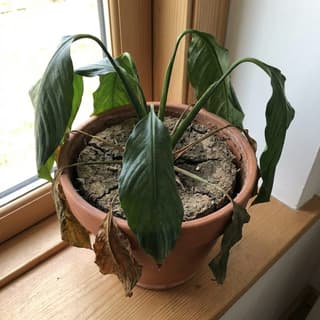
Underwatering
HighUnderwatering or drought stress is a physiological disorder that occurs when the amount of water a plant loses through transpiration exceeds the amount its roots can absorb from the soil. This leads to cellular dehydration and various visible symptoms that can compromise plant health and productivity.
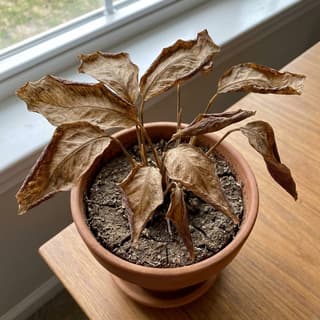
Low Humidity Stress
MediumLow humidity stress occurs when indoor air becomes too dry, causing plants to lose moisture faster than they can absorb it through their roots. This is especially common during winter heating periods, near radiators and heating vents, or in air-conditioned spaces. Tropical plants are particularly susceptible to low humidity damage.