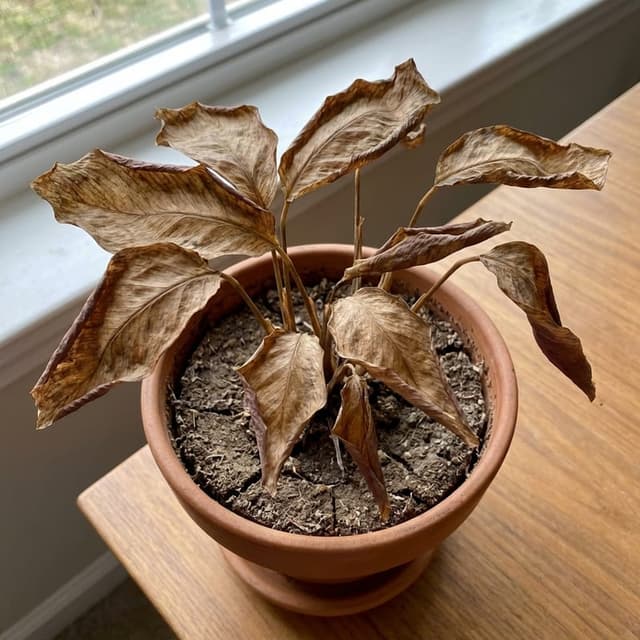
Low Humidity Stress: Environmental Stress | How to Fix
Low humidity stress occurs when indoor air becomes too dry, causing plants to lose moisture faster than they can absorb it through their roots. This is especially common during winter heating periods, near radiators and heating vents, or in air-conditioned spaces. Tropical plants are particularly susceptible to low humidity damage.
Slow
14 days
What is Low Humidity Stress?
Low Humidity Stress is a environmental condition with moderate severity that affects plants. Low humidity stress occurs when indoor air becomes too dry, causing plants to lose moisture faster than they can absorb it through their roots. This is especially common during winter heating periods, near radiators and heating vents, or in air-conditioned spaces. Tropical plants are particularly su...
Low Humidity Stress is a environmental disease with moderate severity that spreads at a slow rate. Recovery typically takes approximately 14 days with proper treatment. It affects 10 plant species in our database.
Unlike infectious diseases, Low Humidity Stress is caused by environmental conditions. Without correcting the environment, symptoms return even after treatment. Unlike many common diseases, Low Humidity Stress is not contagious between plants.
🔍 What Are the Symptoms of Low Humidity Stress?
TLDR: Low Humidity Stress presents 8 main symptoms. Early identification is crucial for effective treatment.
Main Symptoms
- ! Dry, crispy, or brown leaf edges and tips
- ! Leaf curling downward or inward (different from underwatering where leaves curl upward)
- ! Drooping or wilting leaves despite adequate soil moisture
- ! Premature leaf drop, especially on tropical species
- ! Brown spots developing on leaf surfaces
- ! New leaves emerging smaller than normal
- ! Overall stunted or slowed growth
- ! Increased susceptibility to pest infestations (spider mites thrive in dry conditions)
Visual Signs
❓ What Causes Low Humidity Stress in Plants?
- → Winter heating systems reducing indoor humidity to 20-30%
- → Proximity to radiators, heating vents, or fireplaces
- → Air conditioning removing moisture from the air
- → Dry climate conditions
- → Poor air circulation trapping dry air around plants
- → Lack of moisture sources in the growing environment
💊 How to Treat Low Humidity Stress?
TLDR: Treat Low Humidity Stress with 7 days of quick treatment or 14 days of organic treatment. Full recovery takes approximately 14 days.
Quick Fixes
~7 days
Step 1
Install a portable humidifier near affected plants immediately
Step 2
Move plants to naturally humid rooms like bathrooms or kitchens
Step 3
Create emergency humidity tent using clear plastic bag over plant for 24-48 hours
Step 4
Water soil thoroughly if dry, ensuring proper drainage
Step 5
Mist all leaf surfaces generously 2-3 times daily
Materials needed:
Organic Treatment
~14 days
Step 1
Place plant pots on pebble trays filled with water to create natural evaporation
Step 2
Group plants together to create a microclimate with higher humidity
Step 3
Move plants away from heat sources, air vents, and drafty windows
Step 4
Mist leaves regularly in the morning using room-temperature water
Step 5
Place open water containers near plants for passive humidity increase
Materials needed:
Expert Treatment
~21 days
Step 1
Install automatic humidifier system with environmental sensors maintaining 40-60% humidity
Step 2
Implement strategic plant grouping by humidity requirements
Step 3
Use hydroponic or semi-hydroponic growing methods for consistent moisture
Step 4
Install grow lights with proper distance to reduce heat stress
Step 5
Monitor daily with digital hygrometer and adjust seasonally
Step 6
Apply humidity-retaining mulch layer on soil surface
Step 7
Consider terrarium setup for extremely sensitive tropical species
Step by Step
- 1
Assess current humidity levels using a hygrometer
- 2
Move plants away from direct heat sources immediately
- 3
Set up pebble trays or humidifier in the plant area
- 4
Remove severely damaged brown leaves and tips
- 5
Group plants together to increase local humidity
- 6
Monitor plant response over 1-2 weeks
- 7
Adjust watering schedule if needed, as plants in low humidity may require more frequent watering
- 8
Consider relocating very sensitive tropical species to more humid areas
🧪 Natural vs Chemical: Which Treatment Works for Low Humidity Stress?
🌱 Natural Solutions
- ✓ Use a cool-mist humidifier near affected plants (most effective solution)
- ✓ Create pebble trays with water evaporation beneath plant pots
- ✓ Group multiple plants together to increase transpiration and local humidity
- ✓ Mist plants regularly (though less effective than other methods, as humidity boost is temporary)
- ✓ Place plants on damp sphagnum moss or perlite trays
- ✓ Use glass cloches or clear plastic covers for small plants to create mini greenhouse effect
- ✓ Move plants to naturally humid locations like bathrooms with shower steam
- ✓ Double-pot plants with damp moss between inner and outer containers
💉 Chemical Solutions
- ✓ No chemical treatment needed; this is an environmental issue
Treatment Comparison
| Type | Estimated time | Steps | Difficulty | Best For |
|---|---|---|---|---|
| ⚡Quick | ~7 days | 5 | Advanced | Urgent cases |
| 🌿Organic | ~14 days | 5 | Advanced | Indoor plants |
| 🔬Expert | ~21 days | 7 | Advanced | Severe infections |
🛡️ How to Prevent Low Humidity Stress?
TLDR: Prevent Low Humidity Stress with 7 essential care practices. Regular monitoring is key for early detection.
- ✓ Monitor humidity levels with a hygrometer; most plants thrive at 40-60% humidity
- ✓ Keep plants away from heating vents, radiators, and air conditioner outlets
- ✓ Group plants together to create a microclimate with higher humidity
- ✓ Place plants in naturally humid rooms like bathrooms or kitchens
- ✓ Use a pebble tray: place pots on trays filled with water and pebbles (pot bottom should not touch water)
- ✓ Avoid placing tropical plants in very dry environments without humidity support
- ✓ During winter, increase humidity measures proactively before symptoms appear
🔗Related Diseases
Severe Defoliation
HighThis condition involves a sudden and massive loss of leaves caused by adverse environmental factors. The plant sheds its foliage in an attempt to survive extreme stress, such as abrupt temperature changes, improper watering, or transplant shock. If the underlying cause is not addressed, the plant may completely wither and die.
Severe Defoliation and Dormancy
HighThis condition is triggered by extreme environmental stress, such as sudden temperature fluctuations, insufficient light, or improper watering. In an effort to survive, the plant sheds its leaves and enters a dormant state to conserve energy.
Leaf Drop (Environmental Stress)
MediumLeaf drop occurs when a plant undergoes sudden environmental changes, such as insufficient light, excessive wind, or temperature fluctuations. It is not a fungal disease, but rather a physical response to stress.
Physical Leaf Damage
LowThis is not an infectious disease, but rather the result of external mechanical or environmental factors. It occurs due to rough handling, strong winds, hail, or pets. Leaves exhibit tears, cuts, or frayed edges, but the rest of the plant typically remains healthy and green.
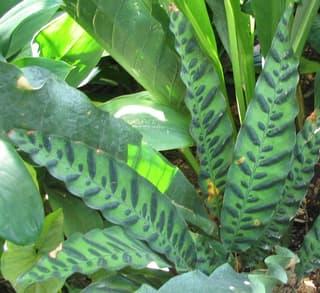
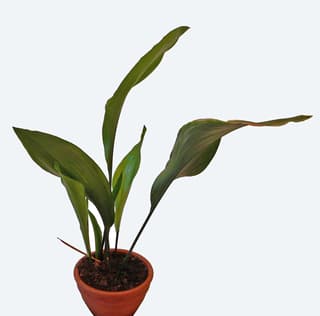
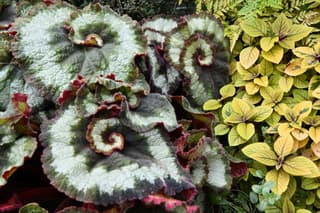
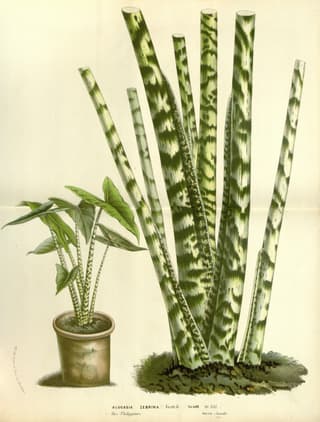
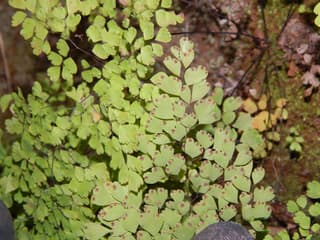
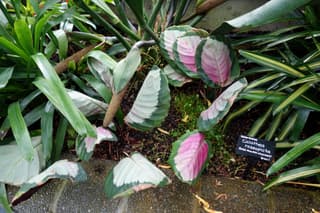
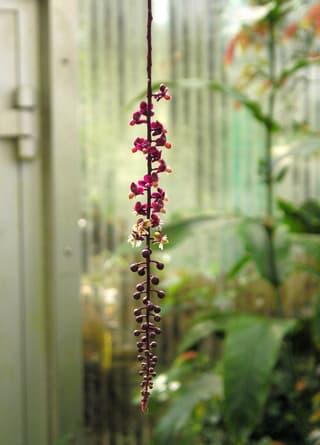
🌿 Which Plants Are Most Affected by Low Humidity Stress?

Sources & References
- High & Low Humidity Symptoms in Plants - How to Prevent It?
- Signs of Low Humidity in Plants & How to Fix It – Riverdene Garden Centre
- How To Identify And Fix Low Humidity In Plants
- Temperature and humidity guide for houseplants
- Humidity and Indoor Plants Guide | OurHouseplants
- Success with Houseplants – Humidity | Nebraska Extension