Low Light Stress: Environmental Stress | How to Fix
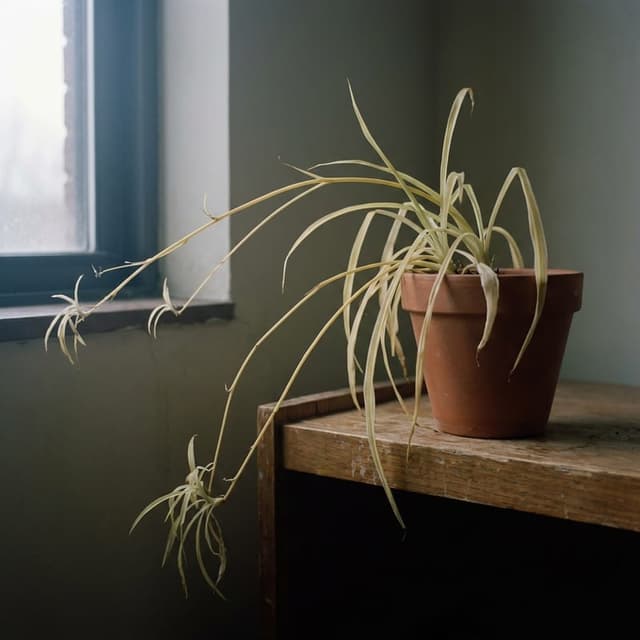
Low light stress, also known as etiolation, occurs when plants do not receive adequate light for proper growth and development. This leads to abnormal growth patterns characterized by elongated stems, pale leaves, and weakened overall structure as the plant attempts to reach toward available light sources.
Slow
21 days
What is Low Light Stress?
Low Light Stress is a environmental condition with moderate severity that affects plants. Low light stress, also known as etiolation, occurs when plants do not receive adequate light for proper growth and development. This leads to abnormal growth patterns characterized by elongated stems, pale leaves, and weakened overall structure as the plant attempts to reach toward available light s...
Low Light Stress is a environmental disease with moderate severity that spreads at a slow rate. Recovery typically takes approximately 21 days with proper treatment. It affects 10 plant species in our database.
Unlike infectious diseases, Low Light Stress is caused by environmental conditions. Without correcting the environment, symptoms return even after treatment. Unlike many common diseases, Low Light Stress is not contagious between plants.
🔍 What Are the Symptoms of Low Light Stress?
TLDR: Low Light Stress presents 9 main symptoms. Early identification is crucial for effective treatment.
Main Symptoms
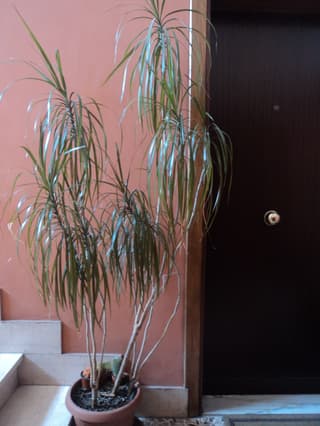
- ! Abnormally long and thin stems stretching toward light
- ! Pale, yellowish, or washed-out leaf coloration
- ! Smaller and thinner leaves than normal
- ! Weak, spindly stems prone to bending or breaking
- ! Plant leaning heavily toward the nearest light source
- ! Reduced new leaf growth
- ! Yellowing and dropping of older leaves
- ! Overall dull or faded appearance
- ! Increased spacing between leaf nodes (long internodes)
Visual Signs
❓ What Causes Low Light Stress in Plants?
- → Insufficient light intensity for the plant's needs
- → Increased production of gibberellin hormones in low light
- → Plant positioned too far from light source
- → Inadequate duration of light exposure
- → Growing under low-wattage or weak artificial lights
- → Seasonal reduction in natural daylight hours
- → Placement in rooms with limited windows or northern exposure
💊 How to Treat Low Light Stress?
TLDR: Treat Low Light Stress with 11 days of quick treatment or 21 days of organic treatment. Full recovery takes approximately 21 days.
Quick Fixes
~11 days
Step 1
Install basic LED grow light 12-18 inches above plant
Step 2
Set timer for 12-14 hours daily light exposure
Step 3
Position plant directly under light source
Step 4
Monitor new growth after 7-10 days
Step 5
Adjust light height if leaves show stress signs
Materials needed:
Organic Treatment
~21 days
Step 1
Move plant closer to natural light sources (windows, skylights)
Step 2
Rotate plant weekly to ensure even light distribution
Step 3
Clean windows and leaves to maximize light absorption
Step 4
Use reflective surfaces (mirrors, white walls) to bounce natural light
Step 5
Prune overcrowded branches to allow light penetration
Step 6
Reduce watering frequency as photosynthesis is slower in low light
Materials needed:
Expert Treatment
~32 days
Step 1
Assess current light levels with PAR meter (aim for 200-400 μmol/m²/s for most houseplants)
Step 2
Install adjustable full-spectrum LED grow lights with timer
Step 3
Program 12-14 hour photoperiod with gradual dawn/dusk simulation
Step 4
Position lights 12-24 inches above canopy, adjust based on plant response
Step 5
Apply foliar spray of diluted seaweed extract to support recovery
Step 6
Monitor leaf color, growth rate, and phototropism weekly
Step 7
Gradually increase light intensity over 2-3 weeks
Step 8
Supplement with humidity control (40-60%) to reduce transpiration stress
Step 9
Adjust fertilization schedule as photosynthesis improves
Step by Step
- 1
Assess current light levels and identify deficiencies
- 2
Gradually relocate plant to brighter location over 5-7 days
- 3
Install grow lights if natural light is insufficient
- 4
Prune elongated stems to promote compact new growth
- 5
Maintain consistent 12-14 hour light schedule
- 6
Monitor new growth for improvement in color and compactness
- 7
Continue optimal light conditions to prevent recurrence
🧪 Natural vs Chemical: Which Treatment Works for Low Light Stress?
🌱 Natural Solutions
- ✓ Move plant gradually to a brighter location over several days to avoid shock
- ✓ Install full-spectrum LED grow lights positioned 6-12 inches above plant
- ✓ Prune leggy stems to encourage bushier, more compact new growth
- ✓ Provide light for 12-14 hours daily using timers for consistency
- ✓ Rotate plant weekly to promote even growth
- ✓ Increase light exposure progressively to allow acclimation
💉 Chemical Solutions
- ✓ Not typically treated with chemicals - this is a cultural/environmental issue
- ✓ Focus on correcting lighting conditions rather than applying products
Treatment Comparison
| Type | Estimated time | Steps | Difficulty | Best For |
|---|---|---|---|---|
| ⚡Quick | ~11 days | 5 | Advanced | Urgent cases |
| 🌿Organic | ~21 days | 6 | Advanced | Indoor plants |
| 🔬Expert | ~32 days | 9 | Advanced | Severe infections |
🛡️ How to Prevent Low Light Stress?
TLDR: Prevent Low Light Stress with 7 essential care practices. Regular monitoring is key for early detection.
- ✓ Provide adequate light intensity for your plant species (800-1000+ foot candles for most houseplants)
- ✓ Ensure plants receive 12-14 hours of light daily, especially during darker seasons
- ✓ Position plants within appropriate distance from windows or grow lights
- ✓ Supplement natural light with full-spectrum LED grow lights if needed
- ✓ Rotate plants regularly to ensure even light exposure on all sides
- ✓ Monitor plant growth regularly for early signs of stretching
- ✓ Research specific light requirements for each plant species
🔗Related Diseases
Severe Defoliation
HighThis condition involves a sudden and massive loss of leaves caused by adverse environmental factors. The plant sheds its foliage in an attempt to survive extreme stress, such as abrupt temperature changes, improper watering, or transplant shock. If the underlying cause is not addressed, the plant may completely wither and die.
Severe Defoliation and Dormancy
HighThis condition is triggered by extreme environmental stress, such as sudden temperature fluctuations, insufficient light, or improper watering. In an effort to survive, the plant sheds its leaves and enters a dormant state to conserve energy.
Leaf Drop (Environmental Stress)
MediumLeaf drop occurs when a plant undergoes sudden environmental changes, such as insufficient light, excessive wind, or temperature fluctuations. It is not a fungal disease, but rather a physical response to stress.
Physical Leaf Damage
LowThis is not an infectious disease, but rather the result of external mechanical or environmental factors. It occurs due to rough handling, strong winds, hail, or pets. Leaves exhibit tears, cuts, or frayed edges, but the rest of the plant typically remains healthy and green.