Amaranth Mosaic Virus: Viral Disease | Identification & Management
This is a viral disease typically spread by aphids or contaminated tools. It causes yellow and green mottling on leaves, deformities, and stunted plant growth. There is no direct chemical treatment for the virus, making prevention and insect control essential.
Fast
21 days
What is Amaranth Mosaic Virus?
Amaranth Mosaic Virus is a viral condition with moderate severity that affects plants. This is a viral disease typically spread by aphids or contaminated tools. It causes yellow and green mottling on leaves, deformities, and stunted plant growth. There is no direct chemical treatment for the virus, making prevention and insect control essential.
Amaranth Mosaic Virus is a viral disease with moderate severity that spreads at a fast rate. Recovery typically takes approximately 21 days with proper treatment. It affects 1 plant species in our database. This condition is contagious and can spread between plants.
Without isolation, nearby plants can become infected within days.
🔍 What Are the Symptoms of Amaranth Mosaic Virus?
TLDR: Amaranth Mosaic Virus presents 4 main symptoms. Early identification is crucial for effective treatment.
Main Symptoms
- ! Irregular light yellow spots on the leaves
- ! Crinkled or deformed foliage
- ! Stunted growth and failure to develop
- ! Discolored streaks on the stem
Visual Signs
❓ What Causes Amaranth Mosaic Virus in Plants?
- → Transmission via aphids (plant lice)
- → Use of non-sterilized garden tools
- → Infected plant debris remaining in the soil
💊 How to Treat Amaranth Mosaic Virus?
Step by Step
- 1
Identify and isolate plants showing symptoms
- 2
Eliminate aphids using soap solutions
- 3
Prune severely affected parts or remove the entire plant
- 4
Monitor neighboring plants for new signs of infection
🧪 Natural vs Chemical: Which Treatment Works for Amaranth Mosaic Virus?
🌱 Natural Solutions
- ✓ Neem oil for insect control
- ✓ Homemade insecticidal soap
- ✓ Immediate removal of infected plants
💉 Chemical Solutions
- ✓ Pyrethroid-based insecticides to control vectors
🛡️ How to Prevent Amaranth Mosaic Virus?
TLDR: Prevent Amaranth Mosaic Virus with 4 essential care practices. Regular monitoring is key for early detection.
- ✓ Control aphid populations in the garden
- ✓ Disinfect pruning shears after every use
- ✓ Purchase certified virus-free seeds
- ✓ Remove weeds that may act as hosts for the virus
🔗Related Diseases
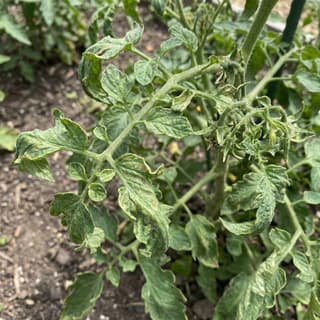
Leaf Curl Virus
HighLeaf curl virus is a serious viral disease caused by begomoviruses, transmitted by whiteflies (Bemisia tabaci). It affects various plants including tomatoes, peppers, and ornamentals, causing significant yield losses and plant decline. Once infected, plants cannot be cured and management focuses on prevention and vector control.
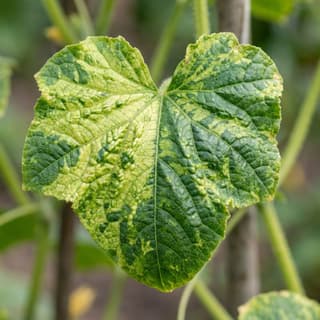
Mosaic Virus
HighMosaic virus is a group of plant viruses that cause mottled, patchy patterns on leaves and can affect a wide variety of plants. The virus creates characteristic yellow, white, and green mosaic patterns, often accompanied by stunted growth and deformed plant parts. This highly contagious disease spreads rapidly through insect vectors and contaminated tools.
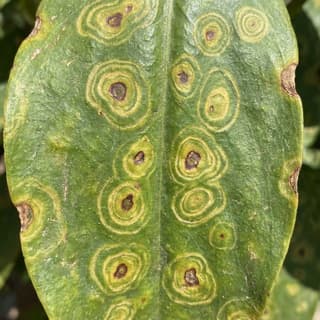
Ringspot Virus
HighRingspot virus is a viral disease affecting various plant species, causing distinctive circular or ring-shaped chlorotic patterns on leaves and fruits. Transmitted primarily by aphids, nematodes, or through contaminated tools, this virus cannot be cured and infected plants must be managed carefully to prevent spread. The virus weakens plants, reduces yield, and can spread rapidly in gardens if not properly contained.
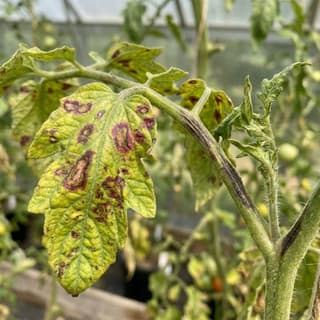
Tomato Spotted Wilt Virus (TSWV)
CRITICALTomato Spotted Wilt Virus (TSWV) is one of the most devastating viral diseases affecting over 1,000 plant species across 85 families. It is transmitted by thrips and cannot be cured once a plant is infected. The virus causes severe stunting, bronzing of leaves, necrotic spots, and significant yield losses. Early detection and removal of infected plants is critical to prevent spread.
