Rose Rosette Disease: Viral Disease | Identification & Management
A fatal viral disease transmitted by microscopic mites. It causes abnormal growth, red branches, and excessive thorniness. There is no cure for an infected plant, and rapid removal is essential to save the rest of the garden.
Fast
30 days
What is Rose Rosette Disease?
Rose Rosette Disease is a viral condition with critical severity that affects plants. A fatal viral disease transmitted by microscopic mites. It causes abnormal growth, red branches, and excessive thorniness. There is no cure for an infected plant, and rapid removal is essential to save the rest of the garden.
Rose Rosette Disease is a viral disease with critical severity that spreads at a fast rate. Recovery typically takes approximately 30 days with proper treatment. It affects 1 plant species in our database. This condition is contagious and can spread between plants.
Without isolation, nearby plants can become infected within days.
🔍 What Are the Symptoms of Rose Rosette Disease?
TLDR: Rose Rosette Disease presents 5 main symptoms. Early identification is crucial for effective treatment.
Main Symptoms
- ! Rapid and distorted branch growth (witches' broom)
- ! Intense red coloration of new foliage
- ! Excessive number of thorns on stems
- ! Small, crinkled, or narrow leaves
- ! Flowers that fail to open or are deformed
Visual Signs
❓ What Causes Rose Rosette Disease in Plants?
- → Rose rosette virus (RRV)
- → Eriophyid mite (Phyllocoptes fructiphilus)
- → Transmission through grafting
💊 How to Treat Rose Rosette Disease?
Step by Step
- 1
Identify symptoms on branches
- 2
Uproot the entire plant including the root system
- 3
Place the plant in a sealed plastic bag
- 4
Disinfect tools with rubbing alcohol
- 5
Monitor neighboring plants for signs of infection
🧪 Natural vs Chemical: Which Treatment Works for Rose Rosette Disease?
🌱 Natural Solutions
- ✓ Neem oil for mite control
- ✓ Garlic extract
- ✓ Complete removal of the infected plant
💉 Chemical Solutions
- ✓ Specific miticides
- ✓ Bifenthrin-based insecticides
🛡️ How to Prevent Rose Rosette Disease?
TLDR: Prevent Rose Rosette Disease with 4 essential care practices. Regular monitoring is key for early detection.
- ✓ Inspect new plants thoroughly before purchase
- ✓ Provide sufficient spacing between rose bushes
- ✓ Prune roses in winter to eliminate overwintering mites
- ✓ Remove nearby wild roses (Multiflora rose)
🔗Related Diseases
Leaf Curl Virus
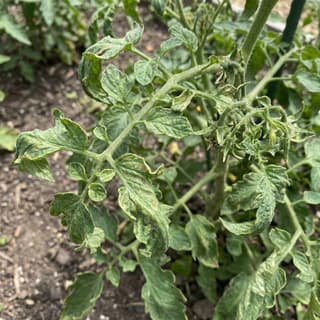
HighLeaf curl virus is a serious viral disease caused by begomoviruses, transmitted by whiteflies (Bemisia tabaci). It affects various plants including tomatoes, peppers, and ornamentals, causing significant yield losses and plant decline. Once infected, plants cannot be cured and management focuses on prevention and vector control.

Mosaic Virus
HighMosaic virus is a group of plant viruses that cause mottled, patchy patterns on leaves and can affect a wide variety of plants. The virus creates characteristic yellow, white, and green mosaic patterns, often accompanied by stunted growth and deformed plant parts. This highly contagious disease spreads rapidly through insect vectors and contaminated tools.
Amaranth Mosaic Virus
MediumThis is a viral disease typically spread by aphids or contaminated tools. It causes yellow and green mottling on leaves, deformities, and stunted plant growth. There is no direct chemical treatment for the virus, making prevention and insect control essential.
Ringspot Virus
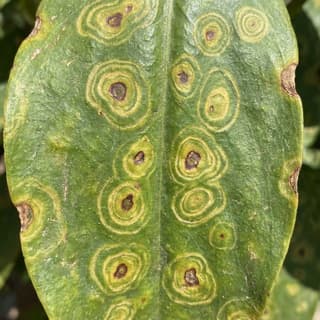
HighRingspot virus is a viral disease affecting various plant species, causing distinctive circular or ring-shaped chlorotic patterns on leaves and fruits. Transmitted primarily by aphids, nematodes, or through contaminated tools, this virus cannot be cured and infected plants must be managed carefully to prevent spread. The virus weakens plants, reduces yield, and can spread rapidly in gardens if not properly contained.