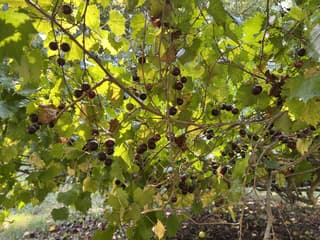
Xylella fastidiosa — Plant Disease
Xylella fastidiosa is a harmful bacterium that lives in a plant’s xylem (the tubes that move water). It clogs these tubes, so parts of the plant dry out even when the soil is moist. Typical signs include brown, crispy leaf edges (leaf scorch), yellowing between veins, stunted growth, one-sided dieback on shoots or branches, early leaf drop, and small or shrivelled fruit. It spreads mainly by small sap-feeding insects such as spittlebugs and sharpshooters, and by moving infected plants or cuttings. Many plants can be affected, including olive, grapevine, citrus, almond, cherry, lavender, rosemary, oleander, oak, and maple. This is a regulated disease in many regions.
What is Xylella fastidiosa?
Xylella fastidiosa is a bacterial condition with moderate severity that affects plants. Xylella fastidiosa is a harmful bacterium that lives in a plant’s xylem (the tubes that move water). It clogs these tubes, so parts of the plant dry out even when the soil is moist. Typical signs include brown, crispy leaf edges (leaf scorch), yellowing between veins, stunted growth, one-sided dieba...
Xylella fastidiosa is a bacterial disease with moderate severity. It affects 1 plant species in our database. This condition is contagious and can spread between plants.
Xylella fastidiosa has no effective chemical cure, unlike pests. Without removing affected parts, the infection spreads internally through the plant. Without isolation, nearby plants can become infected within days.
🧪 Natural vs Chemical: Which Treatment Works for Xylella fastidiosa?
🌱 Natural Solutions
- ✓ Remove and securely dispose of badly affected plants by sealing them in bags and binning them, and do not compost them.
- ✓ Prune out dead or declining branches in dry weather and disinfect tools between cuts with 70 percent alcohol.
- ✓ Water consistently to avoid drought stress and mulch to maintain soil moisture.
- ✓ Avoid heavy nitrogen fertiliser that promotes soft, vulnerable growth.
- ✓ Reduce weedy groundcovers that host spittlebug nymphs by mowing or removing them before insects mature.
- ✓ Use fine insect mesh on high value plants where practical.
- ✓ Maintain good hygiene and avoid sharing cuttings from unknown sources.
💉 Chemical Solutions
- ✓ Where permitted, reduce insect vectors by using horticultural oil or insecticidal soap targeted at nymphs on nearby weeds and groundcover.
- ✓ Apply kaolin clay sprays to create a protective film that discourages feeding on some crops.
🛡️ How to Prevent Xylella fastidiosa?
TLDR: Prevent Xylella fastidiosa with 7 essential care practices. Regular monitoring is key for early detection.
- ✓ Buy plants from reputable, certified suppliers.
- ✓ Isolate new plants for a few weeks and watch for symptoms before placing them near established plants.
- ✓ Clean and disinfect pruning tools between plants.
- ✓ Manage weeds and tall grasses that shelter spittlebugs.
- ✓ Do not move plants, cuttings, or firewood from areas under restriction.
- ✓ Water deeply and consistently, and mulch to reduce stress.
- ✓ Inspect your garden regularly and contact your local plant health authority if you suspect xylella.
🔗Related Diseases
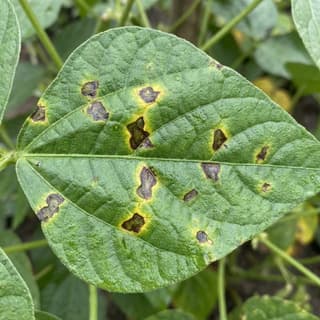
Bacterial Leaf Spot
MediumBacterial leaf spot is a plant disease caused by bacteria in the Xanthomonas and Pseudomonas genera that affects various ornamental and edible plants. The bacteria infect leaves through wounds or natural openings, causing characteristic lesions that can lead to premature leaf drop and plant weakening.
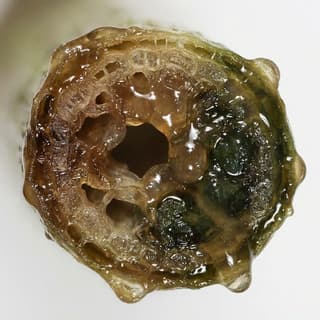
Bacterial Soft Rot
HighBacterial soft rot is a destructive plant disease caused primarily by bacteria from the genera Pectobacterium (formerly Erwinia) and Dickeya. These bacteria produce enzymes that break down plant cell walls, causing rapid and foul-smelling tissue decomposition. It mainly affects succulent tissues such as tubers, fruits, stems, and bulbs, being especially problematic in warm and humid conditions.
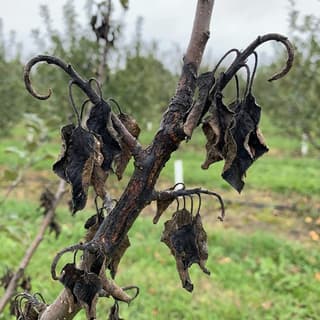
Fire Blight
CRITICALFire blight is a highly destructive and contagious bacterial disease caused by Erwinia amylovora. It primarily affects plants in the Rosaceae family, including apple, pear, quince trees, and various ornamental plants. The disease can destroy an entire orchard in a single growing season under ideal conditions, with the bacterium moving approximately 11 inches per week in new growth.
Crown Gall
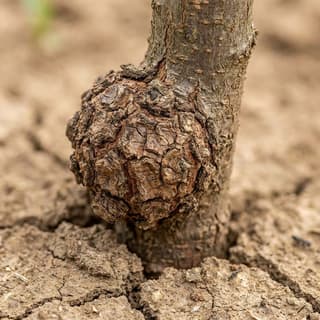
HighCrown gall is a bacterial disease caused by Agrobacterium tumefaciens that affects over 140 species of plants. The bacteria insert DNA into plant cells, causing them to divide uncontrollably and form large tumor-like growths (galls) primarily on roots, stems, and at the soil line. These galls restrict water and nutrient flow, severely impacting plant health and potentially killing the plant.