Is this plant toxic to cats or dogs?
Your cat chewed a leaf off the plant in the living room and you want to know whether this means a trip to the vet. Type the plant's name. The answer for cats and for dogs comes from the ASPCA plant lists, from the ASPCA Animal Poison Control Center.
Of the 38,525 indoor plants in Bloom users' homes, 65% are species listed as toxic to cats.
What to do if your pet ate some ↓
Severity in the Bloom database: Moderately toxic.
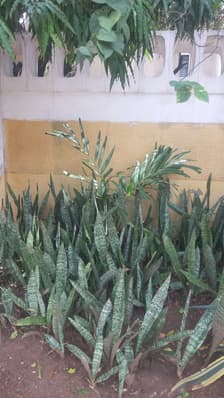
2,069 plants of this species are in Bloom users' gardens.
Other common plants with no toxicity listed for cats or dogs
Tap one to see its result.
If your pet ate part of a plant
- 1 Take any leftover plant out of its mouth and move the plant out of reach. Don't make it vomit and don't give milk or home remedies unless a vet tells you to.
- 2 Call your vet or an emergency animal clinic now, even if your pet looks fine. Some poisonings take hours to show.
- 3 Have the plant's name ready, or bring a photo or a piece of it, and say roughly how much was eaten and when.
In the US, the ASPCA Animal Poison Control Center answers at (888) 426-4435, 24 hours a day (a consultation fee may apply).
The 25 toxic plants most common in Bloom users' homes
Counted across 49,384 plants in the gardens of Bloom app users. Among indoor plants, 65% are species listed as toxic to cats and 64.9% to dogs. In 96.4% of the 4,092 gardens with three or more plants, at least one may be toxic to cats.
| Plant | Cats | Dogs | Plants in homes |
|---|---|---|---|
| Snake PlantDracaena trifasciata | Toxic | Toxic | 2,069 |
| Golden PothosEpipremnum aureum | Toxic | Toxic | 2,064 |
| Peace LilySpathiphyllum wallisii | Toxic | Toxic | 1,666 |
| Swiss Cheese PlantMonstera deliciosa | Toxic | Toxic | 1,598 |
| ZZ PlantZamioculcas zamiifolia | Toxic | Toxic | 1,422 |
| Flaming KatyKalanchoe blossfeldiana | Toxic | Toxic | 1,016 |
| Corn PlantDracaena fragrans | Toxic | Toxic | 993 |
| Jade PlantCrassula ovata | Toxic | Toxic | 802 |
| Flamingo FlowerAnthurium andraeanum | Toxic | Toxic | 756 |
| Aloe VeraAloe vera | Toxic | Toxic | 724 |
| Dumb CaneDieffenbachia seguine | Toxic | Toxic | 664 |
| Song of IndiaDracaena reflexa | Toxic | Toxic | 616 |
| Rubber PlantFicus elastica | Toxic | Toxic | 615 |
| Swiss Cheese VineMonstera adansonii | Toxic | Toxic | 457 |
| Chinese BanyanFicus microcarpa | Toxic | Toxic | 440 |
| Chinese EvergreenAglaonema commutatum | Toxic | Toxic | 423 |
| Spineless YuccaYucca gigantea | Toxic | Toxic | 413 |
| Heartleaf PhilodendronPhilodendron hederaceum | Toxic | Toxic | 369 |
| Weeping FigFicus benjamina | Toxic | Toxic | 353 |
| Arrowhead PlantSyngonium podophyllum | Toxic | Toxic | 336 |
| Fiddle Leaf FigFicus lyrata | Toxic | Toxic | 316 |
| Lucky BambooDracaena braunii | Toxic | Toxic | 310 |
| Giant White Bird of ParadiseStrelitzia nicolai | Toxic | Toxic | 287 |
| Blushing PhilodendronPhilodendron erubescens | Toxic | Toxic | 265 |
| ColeusColeus scutellarioides | Toxic | Toxic | 262 |
Anonymous aggregates from the Bloom app, updated 2026-09-21. Only species with at least 30 plants in users' gardens are listed.
15 common plants with no toxicity listed for cats or dogs
None of these plants is listed as toxic to cats or dogs. Useful if you're choosing a plant for a home with pets. A pet that chews through a lot of leaves can still get an upset stomach.
| Plant | Plants in homes |
|---|---|
| Moth OrchidPhalaenopsis | 2,053 |
| Spider PlantChlorophytum comosum | 813 |
| Parlor PalmChamaedorea elegans | 655 |
| Thanksgiving CactusSchlumbergera truncata | 461 |
| Boston FernNephrolepis exaltata | 430 |
| Money TreePachira aquatica | 412 |
| Chinese Money PlantPilea peperomioides | 334 |
| Sweet BasilOcimum basilicum | 272 |
| RoseRosa | 266 |
| Chili pepperCapsicum annuum | 265 |
| Wax PlantHoya carnosa | 239 |
| Baby Rubber PlantPeperomia obtusifolia | 199 |
| Scarlet StarGuzmania lingulata | 194 |
| Zebra HaworthiaHaworthiopsis attenuata | 187 |
| Lady PalmRhapis excelsa | 185 |
Where the answers come from
The answer comes from the toxic and non-toxic plant lists of the ASPCA Animal Poison Control Center, downloaded on 2026-09-17. ASPCA list for cats · ASPCA list for dogs
Each species is matched to the ASPCA by scientific name, by an older name still in use (Sansevieria for the snake plant, for example) or by an entry that covers the whole genus, which the result points out. When the ASPCA lists the plant, its answer is the one you see. Only for plants the ASPCA doesn't list does the answer come from the Bloom species database, and the result says so.
Severity (mild, moderate, high) comes only from the Bloom database and describes the plant in general, not each animal. The ASPCA lists don't grade severity.
The home numbers are anonymous aggregates of the plants people added to their gardens in the Bloom app. No row, photo or user identifier leaves the database. Each plant follows the checker's rule: the ASPCA answer, and the Bloom database only where the ASPCA doesn't list the species.
What this page is not
It isn't a diagnosis and it doesn't replace a vet. "No toxicity listed" means the source lists no risk, not that nothing can happen: how much was eaten, the size of the animal and its health all count. If your pet ate a plant and is acting differently, call a vet.