Agapanthus in Winter: Can It Survive Frost? Cold Care by Type
Agapanthus in winter: the deciduous type tolerates lows of 23 to 14 °F (−5 to −10 °C), while evergreen tolerates only light frost to about 23 °F (−5 °C). See how to protect beds and pots, where frost threatens in Brazil, and what to do with soft leaves after the cold.
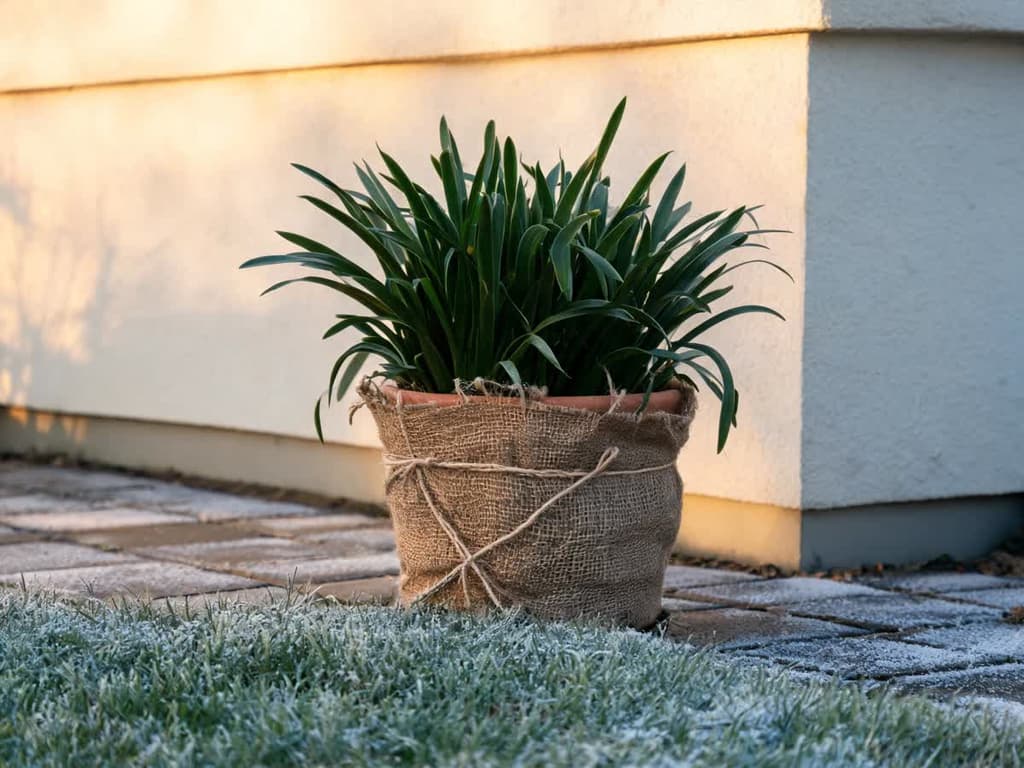
Agapanthus tolerates frost in winter depending on the type. Deciduous agapanthus, which loses its leaves in autumn, tolerates lows of 23 to 14 °F (−5 to −10 °C) in garden beds. This figure comes from the Royal Horticultural Society (RHS) rating scale, the British horticultural charity. Evergreen agapanthus, which stays green year-round, tolerates only light frost, down to about 23 °F (−5 °C). In pots, both types suffer more than in the ground.
In Brazil, winter runs from June to August, and the frost that threatens agapanthus is concentrated in the South and in the mountain ranges of the Southeast. In other regions, the winter risk is excessive heat, which can weaken the following year's flowering. For care during the rest of the year (sun, watering, fertilizer, and spent stems), see the guide on how to care for agapanthus.
Which agapanthus survive frost, and down to what temperature
Cold tolerance in agapanthus depends on whether the type loses its leaves in winter or not. The RHS gives each plant a hardiness rating, which is the lowest temperature the plant usually survives. On the RHS scale, agapanthus that lose their leaves appear as hardier than evergreen varieties.
Type | Examples | Leaves in winter | RHS rating | Minimum tolerated |
|---|---|---|---|---|
Deciduous | Agapanthus campanulatus, Headbourne hybrids | Turn yellow and dry in autumn | H4 | 23 to 14 °F (−5 to −10 °C) |
Evergreen | Agapanthus africanus, Agapanthus praecox | Stay green | H3 | 34 to 23 °F (1 to −5 °C) |
The ratings come from the profile of each species on the RHS website. The scale measures the absolute minimum temperature of a winter night in the climate of the United Kingdom. In the description of the H3 rating, the RHS warns that the plant is at risk in a severe winter and in frost that arrives suddenly. In the description of the H4 rating, the RHS warns that a plant in a pot becomes more vulnerable.
Two German plant nurseries advertise that deciduous agapanthus tolerates down to 5 °F (−15 °C). The RHS assigns an H4 rating, 23 to 14 °F (−5 to −10 °C), to Agapanthus campanulatus and Headbourne hybrids. This guide follows the RHS because its rating system is published and applies across all plants it evaluates.
Both types are native to southern Africa. Deciduous agapanthus overwinters solely by its rhizome, the thick underground stem. The evergreen type keeps its foliage exposed to cold, and the leaves are the first part damaged by frost.
How to tell if your agapanthus is evergreen or deciduous
The safest test is to look at the plant in autumn. Deciduous agapanthus turns yellow and dries all its leaves at the end of autumn, between April and May in Brazil, and resprouts in spring. Evergreen agapanthus spends the winter with green leaves.
Agapanthus sold as "winter hardy" is usually deciduous, but some nurseries apply the same label to evergreen varieties. If yours is deciduous, yellowing and drying foliage in autumn marks the plant's dormancy, the phase where growth pauses. The RHS recommends removing these leaves in autumn once they have withered naturally. In pots, deciduous agapanthus also needs frost protection because the RHS notes that container plants are more vulnerable.
Bloom's agapanthus plant profile describes Agapanthus praecox, an evergreen agapanthus. If you do not know which agapanthus you have, the Bloom app (available for iOS) identifies the plant from a photo of the leaves and flowers. The identified species tells you which row of the table your agapanthus belongs to.
Where frost threatens agapanthus in Brazil
In Brazil, frost threatens agapanthus in the South and in the mountains of the Southeast between April and September. A study using data from 2003 to 2018 in Rio Grande do Sul (Tazzo and colleagues, 2024) notes that frosts in Brazil are most common from April to September. The same study identifies June and July as the most critical months.
In Serra da Mantiqueira, areas above 1,500 m in altitude experience the most frosts in the country. A 2025 study (Ferreira and colleagues) recorded an average of 19 frosts per year in Monte Verde, Minas Gerais. July was the month with the most frosts across all studied cities, with an average of 8.
The same Mantiqueira study associates frost with nights when the weather station records a low below 3 °C (37 °F). The station measures air at 2 m (6.6 ft) above the ground, and the soil surface gets colder than that. In a study of ten cities in São Paulo cited by the same article, the average difference was 4.1 °C (7.4 °F). Therefore, when the forecast calls for a low below 3 °C (37 °F), cover the pot and the evergreen agapanthus with horticultural fleece before nightfall.
Excessively warm winters also disrupt agapanthus flowering
In most of Brazil there is no frost, and there the winter problem is heat, which hinders flowering. A Japanese experiment with Agapanthus africanus (Mori and Sakanishi, 1989) measured the effect of temperature on flowering. Plants kept at 20 °C (68 °F) or higher from the beginning of autumn did not form flower buds.
In the same experiment, the plants moved to 10 °C or 15 °C (50 °F or 59 °F) formed buds. The RHS observes the same in the garden: winters that are too warm cause agapanthus to flower early and with weak blooms. The experiment tested only one species, in a controlled environment in Japan, and we found no measurement of this effect in the Brazilian climate.
Do not bring agapanthus indoors in winter to "protect" it from the cold. In frost-free locations, keeping it outside in winter is best. Moderate autumn and winter night chills help the plant set flower buds.
Agapanthus in garden beds: winter mulch and when to remove it
In frost-prone garden beds, protect agapanthus with mulch, applying a layer of straw, compost, or sand over the soil. The RHS recommends a depth of 6 to 9 inches (15 to 23 cm) around the crown. Apply the mulch in late autumn before the first frost arrives. In southern Brazil, frosts start in April.
Remove the mulch in early spring before the plant resumes growth, according to the RHS. In southern Brazil, the frost season extends through September, so check the forecast before clearing the mulch layer. If forecasts still predict lows below 37 °F (3 °C), keep the 6 to 9-inch (15 to 23 cm) layer in place for another week.
Waterlogged soil causes root rot. NC State Extension, at North Carolina State University, instructs never to plant deciduous agapanthus in wet garden areas. The RHS suggests growing agapanthus in containers wherever soil becomes waterlogged or winters turn very cold, because pots can be moved to shelter on frosty nights.
Another fleshy-rooted plant that spends the winter underground is the dahlia. The guide to dahlia winter care shows how to protect tubers in garden beds and when to dig them up.
Potted agapanthus in winter: overwintering location, light, and watering
Potted agapanthus suffers more from frost than agapanthus in garden beds. According to UC ANR, the University of California Extension, the potted plant is surrounded by cold air on all sides. In garden beds, the surrounding soil protects the roots.
You have two options for containers: leave them outside with protection or move them to shelter.
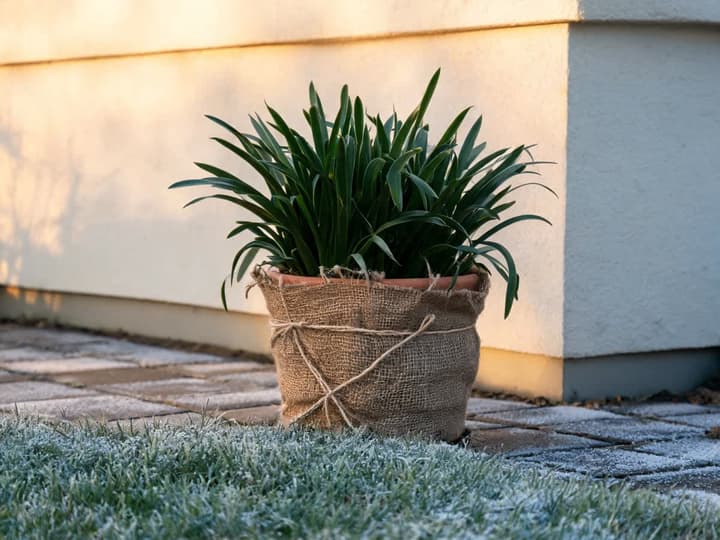
Leaving the pot outside with protection. The RHS recommends wrapping the top of the plant in 2 to 3 layers of horticultural fleece. Fleece is a thin, translucent fabric sold at garden centers. Thicker fleece provides about 3.6 °F (2 °C) more frost protection, according to the RHS. Wrap the pot in bubble wrap or burlap to protect the roots. Place the pot against a north- or west-facing wall, the warmest in Brazil.
Moving the pot to shelter. The right shelter depends on your agapanthus type:
Evergreen: a bright, frost-free spot shielded from winter rain, according to the RHS. A covered porch or garage with a window works well. Evergreens retain foliage and need light to support it.
Deciduous: a cool, dark spot above 32 °F (0 °C), according to NC State. Without leaves, deciduous types require no light during winter.
The RHS does not prescribe a specific shelter temperature. Six German gardening guides give varying ranges, from 32 to 41 °F (0 to 5 °C) up to 41 to 50 °F (5 to 10 °C), with none citing measured trials. All recommend a cool, frost-free, unheated spot. Therefore, maintain the shelter above 32 °F (0 °C), as NC State directs, and keep it away from heat sources. Two of those guides accept dark basements for evergreens as well. This guide follows the RHS, which calls for bright conditions because evergreens retain foliage. In the Japanese study, plants kept at 68 °F (20 °C) or warmer failed to set flower buds.
During winter dormancy, do not water potted deciduous agapanthus, as directed by UF/IFAS, the University of Florida Extension. In potted evergreen agapanthus, water sparingly, only when the soil is completely dry. Empty the saucer after every watering, because roots rot in overly wet soil.
Soft leaves after frost: what to do with agapanthus
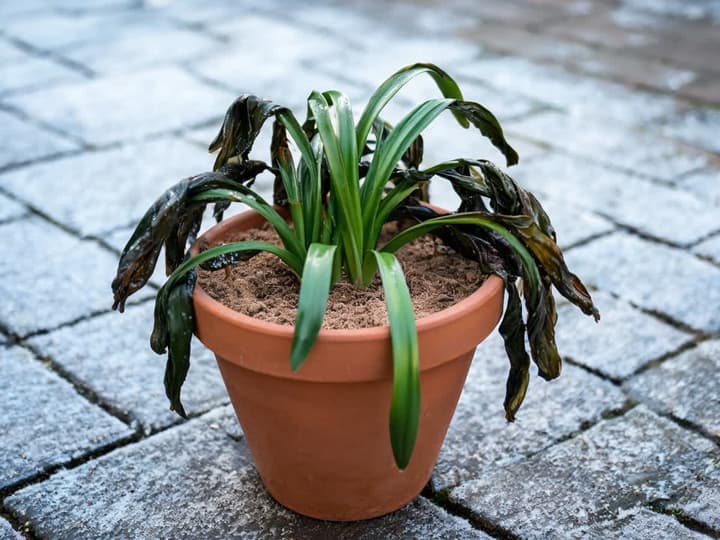
Soft, translucent, blackened, or browned foliage immediately following frost indicates cold damage. Water inside leaf cells freezes, rupturing cell walls and causing leaves to turn mushy upon thawing, according to UC ANR. Do not trim these leaves right away.
UC ANR advises waiting until temperatures warm before pruning. The damaged foliage shields new shoots against subsequent frosts. After the final frost, wait an additional month before removing dead leaves, giving the plant time to reveal what has survived.
While you wait, take these three steps:
Move the pot to a sheltered, bright, unheated space until the frost season ends.
Squeeze the base of the crown just above soil level. A firm base shows the rhizome remains alive and capable of resprouting in spring.
Stop watering until the soil dries out completely.
A soft base with an unpleasant odor points to root rot, which NC State links to overwatered soil. If this happens, remove the plant from its pot, prune away soft rhizome sections, and repot in fresh, well-draining potting mix.
Leaves that yellow and dry gradually during autumn without prior frost do not indicate cold damage. On deciduous agapanthus, this foliage reflects natural dormancy. Remove the leaves once they have dried completely.
When to remove winter protection from agapanthus
Remove agapanthus protection after your area's final frost. In southern Brazil, the frost season spans April through September, based on the study by Tazzo and colleagues. Before unwrapping, check the 7-day weather forecast.
Plantura, a German gardening platform and magazine, recommends acclimating plants to sunlight gradually. Foliage that spent winter sheltered without direct sunlight burns easily. For the first few days, place the pot in partial shade or choose overcast days for the transition, only then moving it into full sun.
Spring is also the time to divide crowns or repot, according to the RHS. Step-by-step division and repotting instructions appear in our guide on how to care for agapanthus.
Winter mistakes that kill agapanthus
Leaving potted evergreen agapanthus outdoors on hard-frost nights. The RHS assigns evergreens an H3 rating: they tolerate only light frost, down to about 23 °F (−5 °C).
Trusting a "winter hardy" label for container plants. The RHS warns that potted plants remain more vulnerable, even deciduous cultivars.
Watering pots in cold weather like in summer. Waterlogged soil triggers root rot (NC State), and UF/IFAS instructs to suspend watering for dormant agapanthus.
Trimming green foliage off evergreen agapanthus before winter. The RHS directs growers to remove only unsightly or damaged evergreen leaves.
Bringing agapanthus inside a heated home. Plants kept at 68 °F (20 °C) or warmer from early autumn failed to set flower buds in the Mori and Sakanishi (1989) experiment.
Fertilizing in winter. The RHS recommends feeding from spring through early autumn.
Frequently asked questions about agapanthus in winter
How much cold can agapanthus tolerate?
Deciduous agapanthus, which drops foliage in autumn, survives lows of 23 to 14 °F (−5 to −10 °C) in garden beds according to the RHS rating scale. Evergreen agapanthus, which stays green year-round, tolerates only light frost to around 23 °F (−5 °C). In containers, both types suffer more because cold air surrounds the roots.
Can I leave agapanthus outdoors in winter?
Yes, in frost-free areas, which cover most of Brazil. In the South and mountain regions, keep deciduous agapanthus planted in beds outdoors under 6 to 9 inches (15 to 23 cm) of mulch. On nights with lows under 37 °F (3 °C), pots and evergreen varieties need protective fleece or a bright, frost-free shelter.
Do I need to cut back agapanthus in winter?
You do not need to cut green foliage. On deciduous agapanthus, remove leaves in autumn after they turn yellow and dry. On evergreen agapanthus, prune away only damaged leaves. Soft leaves following frost should remain on the plant until all frost danger passes, as they shield emerging shoots.
Can I cut agapanthus down to the ground?
Only deciduous agapanthus, and only after the leaves dry naturally in autumn. Evergreen agapanthus must not be cut to the ground: it overwinters with green foliage and depends on it. Dried flower stems can be clipped at the base on both varieties.
Agapanthus in winter: summary
Deciduous agapanthus tolerates 23 to 14 °F (−5 to −10 °C) in garden beds, while evergreen tolerates only light frost, down to about 23 °F (−5 °C). In southern Brazil and mountain areas, protect the plant from April through September: mulch in garden beds, fleece or shelter for pots. Outside frost-prone regions, leave agapanthus outdoors in winter, because steady heat can weaken or prevent blooming the following year.
Related articles
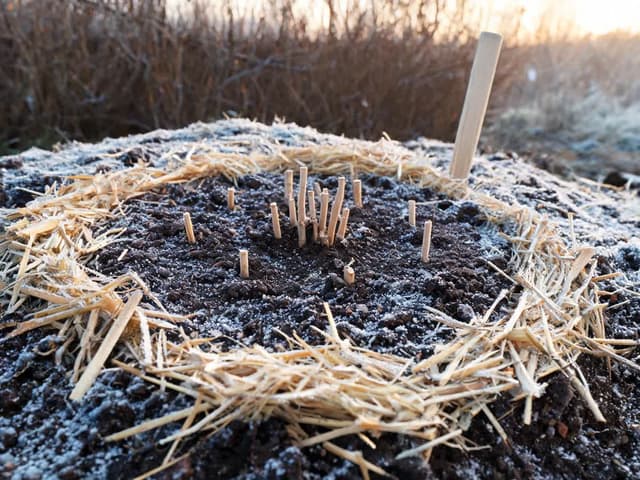
Peonies in Winter: Can They Handle Frost? Care by Type and in Pots
Peonies in winter: the herbaceous type tolerates lows of −15 to −20 °C, dies back above ground in winter and returns in spring, and tree peonies keep their branches. Cut dead foliage down to the ground, mulch the soil only in the first winter, protect the roots in pots, and cover the buds on frosty nights.
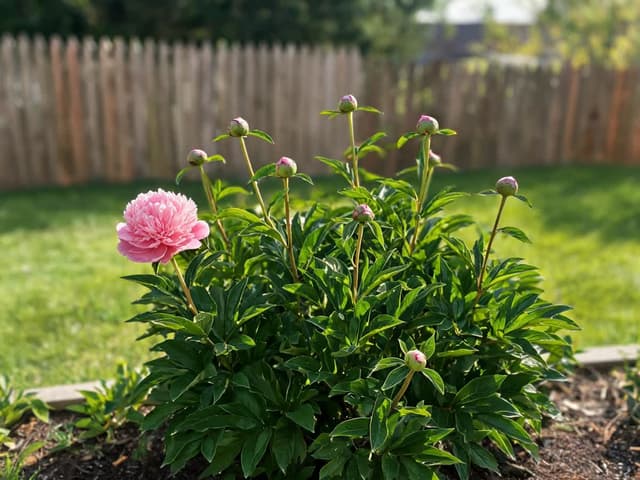
Peonies: How to Make Them Bloom and Why Buds Don't Open
Peonies: how to make them bloom. A peony that fails to bloom usually has buds buried too deep, too little sun, a warm winter, or is too young. Learn when it flowers, how long it takes to produce its first bloom, and how to identify the cause from the plant's symptoms.
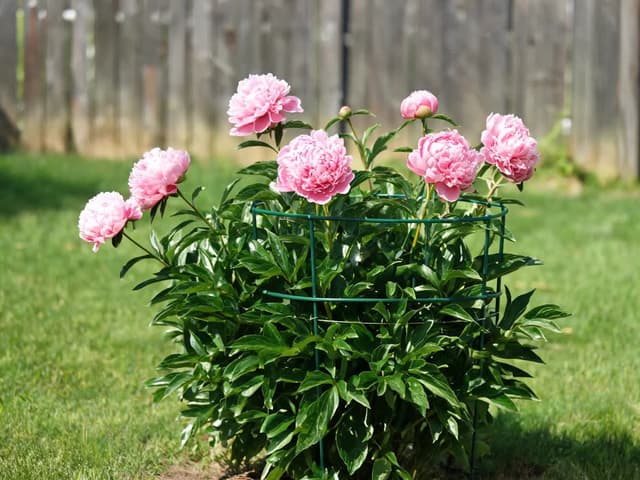
How to Take Care of Peonies: Cold, Shallow Planting, Sun and Blooms
How to take care of peonies, from planting to bloom. They need full sun, buds (eyes) 1 to 2 inches below the surface, well-draining soil, and a cold winter to flower. See what changes for tree peonies, how to water, fertilize, stake, divide, and deal with powdery mildew and ants.