Nymphaeaceae
Amazon Water Lily (Victoria amazonica): The Giant of the Amazon
Victoria amazonica
A demanding aquatic plant requiring a large, deep pond (minimum 90 cm / 3 ft deep), full sun for at least 6 hours daily, warm water (above 20°C/68°F), and weekly fertilization with a high-NPK formula. Does not tolerate cold, water currents, or strong winds. Extremely fast-growing during warm months.
Every 7 days
Direct sun
20° - 38°C
70% - 95%
Categories
What is Amazon Water Lily?
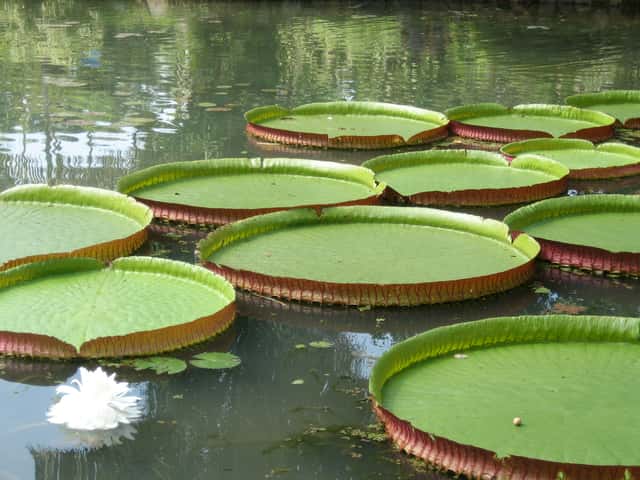
Amazon Water Lily (Victoria amazonica) is a hard-care plant from the Nymphaeaceae family. Victoria amazonica, known as the Amazon Water Lily or Giant Water Lily, is the largest aquatic plant in the world, native to the Amazon River basin in South America. Its enormous circular floating leaves can reach up to 2.5 meters (8 feet) in diameter, with upturned rims that give them a tray-like a...
Amazon Water Lily grows up to 30cm, spread of 600cm, watering every 7 days, 20°C – 38°C, 70–95% humidity. It is not suitable for indoor environments and safe for pets.
Unlike easy-care plants, Amazon Water Lily demands constant attention to humidity and light. Not recommended for beginners. Unlike many popular species, Amazon Water Lily is safe to keep around pets.
How to Care for Amazon Water Lily?
TLDR: Amazon Water Lily needs Direct sun, watering every 7 days, and temperatures between 20-38°C with 70-95% humidity.
How Often Should You Water Amazon Water Lily?
Victoria amazonica lives in an aquatic environment and requires permanently standing water. Maintain water depth between 90-120 cm (3-4 ft). Partially refresh water periodically to prevent excessive algae buildup. Fertilize weekly during active growth with NPK 2-1-4 plus magnesium traces. Avoid any fertilizers containing boron or copper, which are toxic to this plant.
How Much Light Does Amazon Water Lily Need?
Requires full sun with a minimum of 6 hours of direct sunlight per day. Position the pond in a completely open, unshaded area. Without adequate light, the plant will not bloom and leaf growth will be stunted. In temperate climates, a heated greenhouse is necessary for survival.
What Is the Best Soil for Amazon Water Lily?
Use a substrate rich in organic matter, similar to the rich mud found at the bottom of Amazonian rivers. A mix of clay loam soil with organic compost works well. Target pH between 6.0 and 7.5. Avoid substrates containing boron or copper compounds.
What Pot Should You Use for Amazon Water Lily?
Large pond or lake (minimum 6x6 meters). Not suitable for conventional container cultivation.
Care Schedule
Fertilize
Every 7 days
What Is Amazon Water Lily and Where Does It Come From?
Victoria amazonica, known as the Amazon Water Lily or Giant Water Lily, is the largest aquatic plant in the world, native to the Amazon River basin in South America. Its enormous circular floating leaves can reach up to 2.5 meters (8 feet) in diameter, with upturned rims that give them a tray-like appearance. The night-blooming flowers last only 48 hours, opening white on the first night and turning deep pink to purple on the second, before closing permanently. It is one of the most iconic symbols of the Amazon rainforest.
How to Propagate Amazon Water Lily?
Seed Propagation
Seeds lose viability quickly outside water — always keep them submerged. Water temperature is critical for germination. Handle seeds gently to avoid damage.
- 1 Collect mature seeds and store submerged in cold water until planting
- 2 Plant in a container with water heated to at least 27°C (80°F)
- 3 Keep seeds submerged at 2-3 cm depth
- 4 Transplant seedlings to the permanent pond when they reach 5-10 cm
- 5 Ensure a minimum water depth of 90 cm at the permanent location
Materials needed:
How Big Does Amazon Water Lily Grow?
TLDR: Amazon Water Lily can reach up to 30cm tall with Fast growth rate.
Max height
30cm
Spread
6.0m
Growth rate
Fast
Foliage
Evergreen
Plant Uses
Ornamental
Great for decoration
Edible
Can be consumed
Culinary Uses
- Rhizome traditionally consumed by indigenous Amazonian peoples as a source of starch
Is your plant showing symptoms?
Click on the symptom to discover possible causes:
What Diseases Commonly Affect Amazon Water Lily?
TLDR: Amazon Water Lily is susceptible to 8 known diseases. Monitor regularly for early detection.
Aphids
Aphids are small, soft-bodied, pear-shaped insects (1/16 to 1/8 inch long) that feed by sucking nutrient-rich sap from plants. They reproduce rapidly and can quickly weaken plants, causing distorted growth and transmitting plant viruses. Aphids come in various colors including green, black, red, yellow, brown, and gray. They secrete honeydew, a sticky substance that attracts ants and encourages sooty mold growth.
Leaf Spot
Leaf spot is a common fungal disease caused by various pathogens including Alternaria, Ascochyta, Colletotrichum, Septoria, and Venturia. It primarily affects leaves, causing discolored spots that can lead to premature leaf drop if left untreated.
Boron Deficiency
Boron deficiency is a nutrient disorder that affects plant growth and development, particularly at growing points. Boron is essential for cell wall formation, reproductive development, and carbohydrate transport. While critical for plant health, boron has a narrow range between deficiency and toxicity, requiring careful management.
Nitrogen Deficiency
Nitrogen deficiency occurs when plants lack sufficient nitrogen, an essential macronutrient needed for chlorophyll production and overall growth. This deficiency typically manifests as yellowing leaves, starting with older foliage and progressing to newer growth if left untreated.
Meaning & Symbolism
A symbol of the Amazon's grandeur, Victoria amazonica represents the power and abundance of tropical nature. It was named in honor of Queen Victoria of the United Kingdom in 1837. In indigenous Amazonian cultures, it symbolizes protection and fertility.
Fun Facts
The leaves can support up to 30 kg of evenly distributed weight thanks to a remarkable ribbed structure on the underside, inspired Victorian engineers to design the Crystal Palace greenhouse
Each flower lasts only 48 hours: it opens white and fragrant on the first night, trapping beetle pollinators inside, then reopens pink-purple on the second night before wilting permanently
Leaves can grow up to 20 cm per day during peak season, making it one of the fastest-growing plants on Earth
The underside of the leaves is covered with sharp spines that protect the plant from aquatic herbivores like fish and caimans
Frequently asked questions
Can I grow Amazon Water Lily at home?
How often does Victoria amazonica bloom?
Is Victoria amazonica toxic to pets?
Why do Victoria amazonica leaves have upturned edges?
How fast do Amazon Water Lily leaves grow?
Compare with similar plants
| Attribute | Difficulty | Light | Watering | Pet Safe |
|---|---|---|---|---|
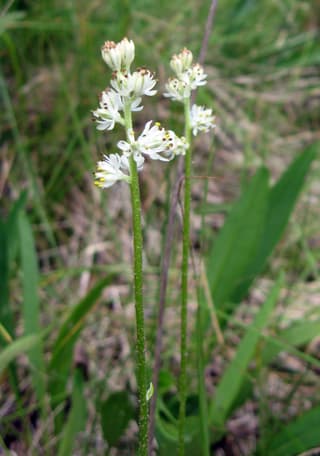
| Sticky false asphodel | Hard | Bright indirect | 1d | ✓ |
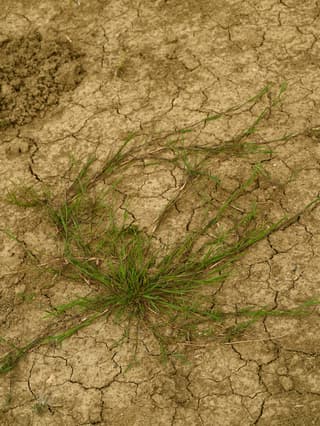
| Creeping bentgrass | Hard | Direct sun | 3d | ✓ |
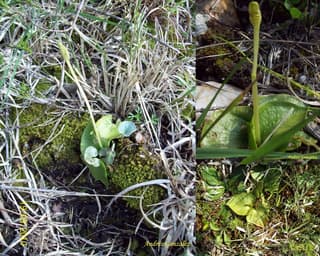
| Bulbous Adder's-tongue | Hard | Partial shade | 4d | ✓ |
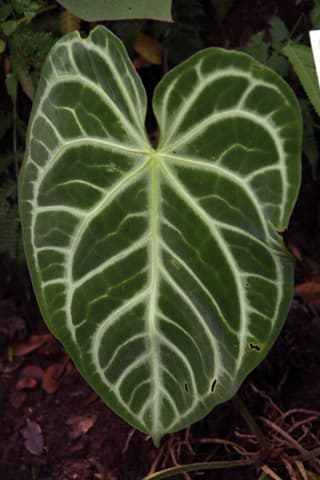
| Crystal Anthurium | Hard | Partial shade | 7d | ⚠️ |