Solanaceae
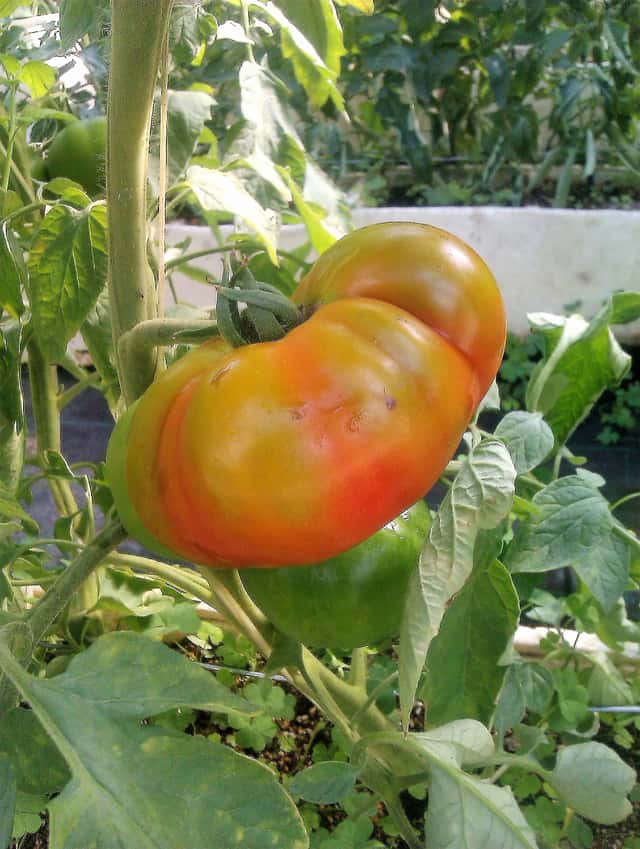
Tomato: Edible Plant
Solanum lycopersicum
The tomato plant requires full sun, consistent watering without waterlogging, and highly fertile soil to produce healthy and abundant fruit.
Every 3 days
Direct sun
10° - 35°C
50% - 70%
Categories
What is Tomato?
Tomato (Solanum lycopersicum) is a medium-care plant from the Solanaceae family. Solanum lycopersicum, commonly known as the tomato plant, is a species in the Solanaceae family native to South America. It is widely cultivated worldwide for its edible fruits, which vary in size, color, and shape. Although it is a perennial plant in tropical climates, it is generally grown as an a...
Tomato grows up to 2.0m, spread of 90cm, watering every 3 days, 10°C – 35°C, 50–70% humidity. It is suitable for indoor environments and not safe for pets.
Without precautions, ingestion can cause irritation in pets. Keep out of reach of cats and dogs. Without adequate drainage, root rot can develop within 7 days.
How to Care for Tomato?
TLDR: Tomato needs Direct sun, watering every 3 days, and temperatures between 10-35°C with 50-70% humidity.
How Often Should You Water Tomato?
Keep the soil consistently moist but never waterlogged. Water preferably at the base of the plant to avoid wetting the leaves, which helps prevent fungal diseases.
How Much Light Does Tomato Need?
Place your plant in a location that receives at least 6 to 8 hours of direct sunlight per day; a lack of light results in weak plants and fewer fruits.
What Is the Best Soil for Tomato?
Mix in plenty of organic compost or worm castings and ensure the soil has excellent drainage to prevent diseases.
What Pot Should You Use for Tomato?
Large pots with at least a 5-gallon (20-liter) capacity, featuring drainage holes and support for vertical growth (stakes or cages).
Care Schedule
Fertilize
Every 14 days
What Is Tomato and Where Does It Come From?
Solanum lycopersicum, commonly known as the tomato plant, is a species in the Solanaceae family native to South America. It is widely cultivated worldwide for its edible fruits, which vary in size, color, and shape. Although it is a perennial plant in tropical climates, it is generally grown as an annual in home and commercial gardens due to its sensitivity to cold and its production cycle.
How to Propagate Tomato?
Sowing
- Transplant to the permanent location when the seedling has at least two pairs of true leaves.
- 1 Substrate preparation
Fill small pots or seed trays with light, fertile seed-starting substrate.
- 2 Planting
Place seeds about 1/4 inch (0.5 cm) deep and cover lightly with soil.
- 3 Moisture and Heat
Keep the soil moist and in a warm place until seedlings emerge.
Materials needed:
Sucker cuttings
- This technique is excellent for quickly cloning your favorite plants during the growing season.
- 1 Collecting the shoot
Remove a healthy lateral (axillary) shoot, also known as a sucker, about 4-6 inches (10-15 cm) long.
- 2 Rooting
Place the base of the shoot in a glass of water or directly into moist soil.
- 3 Protection
Keep in a bright spot, but away from strong direct sunlight, until roots develop.
Materials needed:
How Big Does Tomato Grow?
TLDR: Tomato can reach up to 2.0m tall with Fast growth rate.
Max height
2.0m
Spread
90cm
Growth rate
Fast
Foliage
Deciduous
Warning: Toxic Plant
This plant can be toxic if ingested. Keep out of reach of:
Plant Uses
Edible
Can be consumed
Ornamental
Great for decoration
Medicinal Uses
- Source of lycopene (antioxidant)
- Supports cardiovascular health
- Rich in vitamins A and C
Culinary Uses
- Sauces
- Salads
- Juices
- Preserves
- Roasted dishes
Is your plant showing symptoms?
Click on the symptom to discover possible causes:
What Diseases Commonly Affect Tomato?
TLDR: Tomato is susceptible to 27 known diseases. Monitor regularly for early detection.
Alternaria Leaf Spot
Alternaria leaf spot is a common fungal disease caused by Alternaria solani and Alternaria alternata that affects a wide range of plants including tomatoes, potatoes, brassicas, and ornamentals. The disease thrives in warm, humid conditions and can cause significant crop damage if left untreated. Spores overwinter on plant debris and can attach to seeds, making complete elimination difficult.
Phytophthora Blight
Devastating fungal disease caused by Phytophthora species (primarily P. capsici and P. infestans), famously responsible for the Irish Potato Famine in the 1840s. Affects all plant parts including roots, stems, leaves, and fruits in warm, wet conditions. The pathogen is technically an oomycete (water mold) that thrives in saturated soils and can survive in soil for 5+ years.
Septoria Leaf Spot
Septoria leaf spot is a destructive fungal disease caused by Septoria lycopersici, particularly devastating during seasons of moderate temperature and abundant rainfall. The disease starts on lower leaves and progresses upward, causing small circular spots with tan to gray centers and dark brown margins. If left untreated, it can dramatically reduce plant yields and cause complete leaf blight.
Fusarium Wilt
Fusarium wilt is a serious fungal disease caused by the soil-borne fungus Fusarium oxysporum. The fungus invades roots and blocks the water-conducting vessels (xylem) of the plant, causing progressive wilting and eventual death. Host-specific forms of the pathogen exist that attack different plant species.
Meaning & Symbolism
Often associated with fertility, abundance, protection, and the warmth of the sun.
Compare with similar plants
| Attribute | Difficulty | Light | Watering | Pet Safe |
|---|---|---|---|---|
| Dark Fieldcap | Medium | Low light | 2d | ⚠️ |
| Azalea | Medium | Partial shade | 3d | ⚠️ |
| Bougainvillea | Medium | Direct sun | 7d | ⚠️ |
| Wild Lettuce | Medium | Direct sun | 7d | ⚠️ |
Choose & Compare
Sources & References
- Tomato Plant Care: The Complete Growing Guide - Blooming Expert
- Tomato Diseases & Disorders - Clemson University HGIC
- Solanum lycopersicum - NC State Extension Gardener
- Solanum lycopersicum - Plants For A Future
- Managing Tomato Diseases, Disorders, and Pests - Iowa State Extension
- Common Tomato Diseases - Gardeners Path



