500 Best Plants for Anderson County | 2026 Guide - Page 6
Discover the 500 ideal plants for Anderson County's climate. Average temp: 15°C, Humidity: 69.8%.
Top 500 Plants for Anderson County
Showing 181-216 of 500
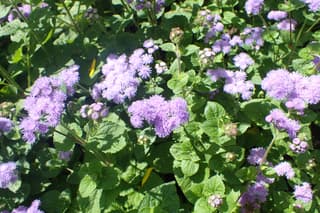
Floss Flower
Ageratum houstonianum
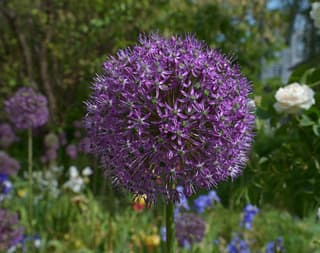
Ornamental Onion
Allium
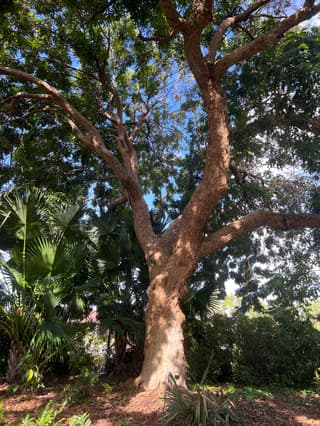
Longan
Dimocarpus longan
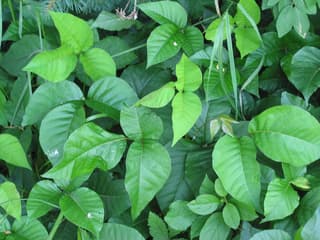
Poison Ivy
Toxicodendron
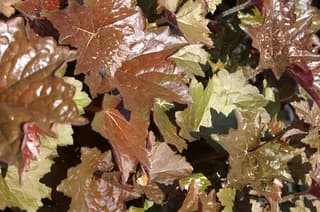
Crevice Alumroot
Heuchera micrantha
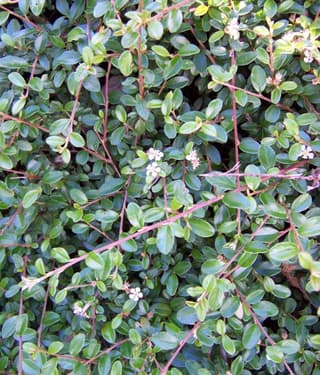
Cotoneaster
Cotoneaster
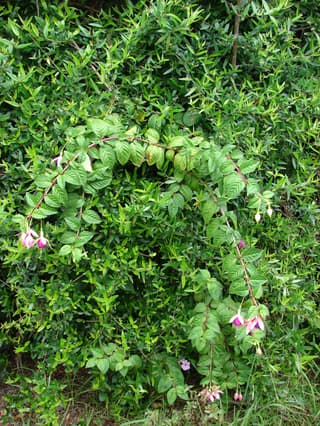
Garden Fuchsia
Fuchsia hybrida
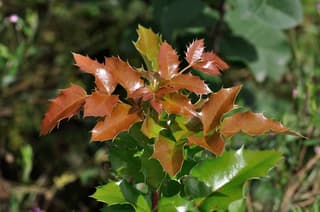
Oregon Grape
Berberis aquifolium
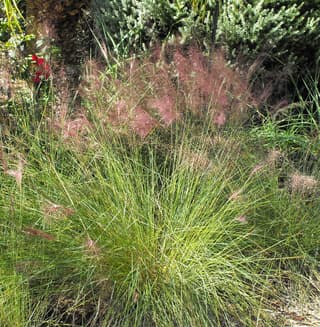
Pink Muhly Grass
Muhlenbergia capillaris
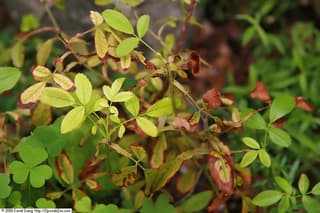
Carolina rose
Rosa carolina
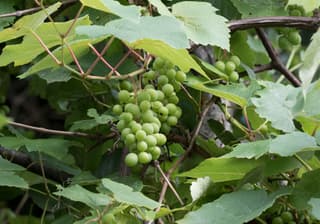
Fox Grape
Vitis labrusca
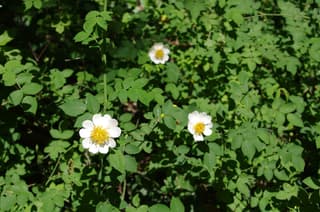
Field Rose
Rosa arvensis
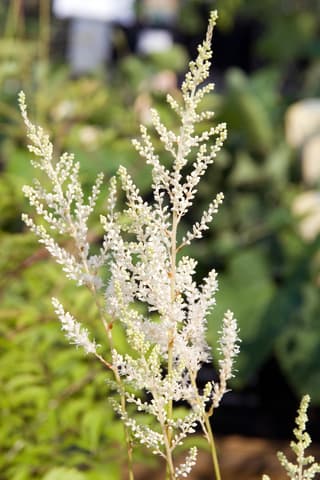
Japanese Astilbe
Astilbe japonica
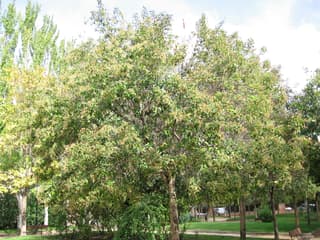
Japanese Privet
Ligustrum japonicum
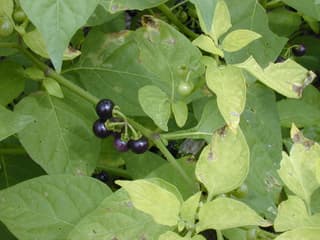
American Black Nightshade
Solanum americanum
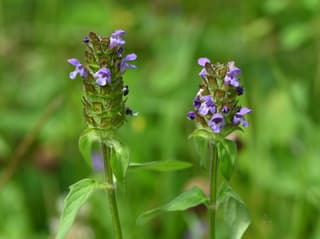
Self-Heal
Prunella vulgaris
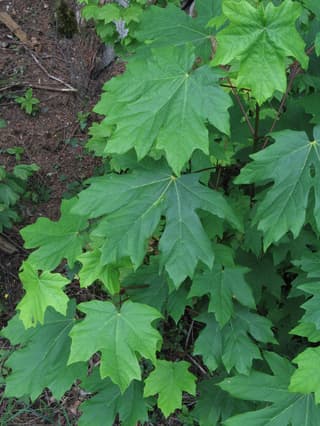
Bigleaf maple
Acer macrophyllum
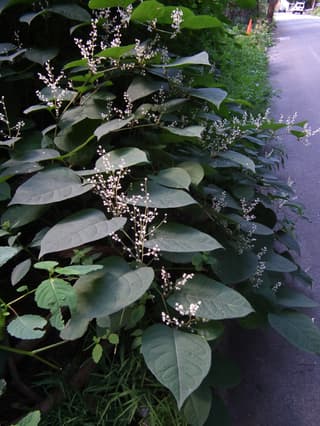
Bohemian knotweed
Reynoutria × bohemica
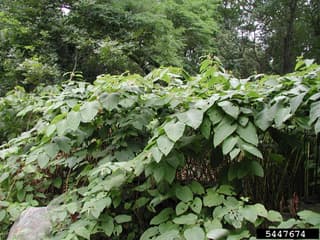
Giant Knotweed
Reynoutria sachalinensis
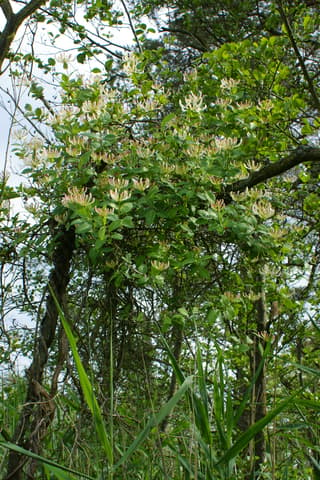
European Honeysuckle
Lonicera periclymenum
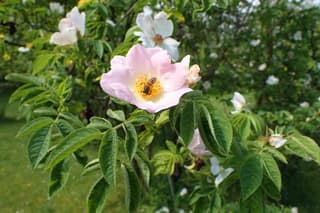
Corymb rose
Rosa corymbifera
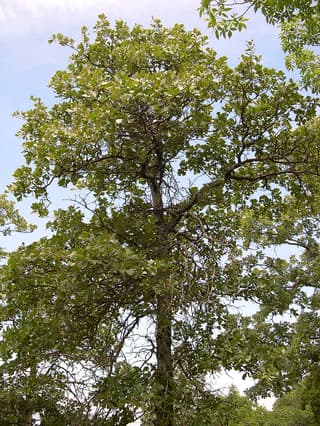
Blackjack Oak
Quercus marilandica
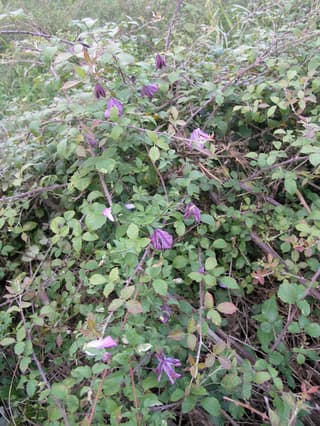
Italian Clematis
Clematis viticella
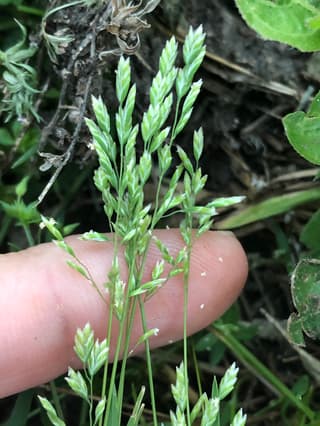
Annual Meadow Grass
Poa annua
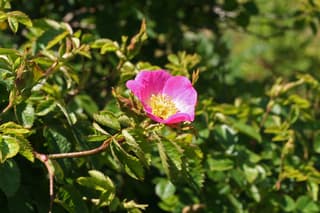
Sweet Briar
Rosa rubiginosa
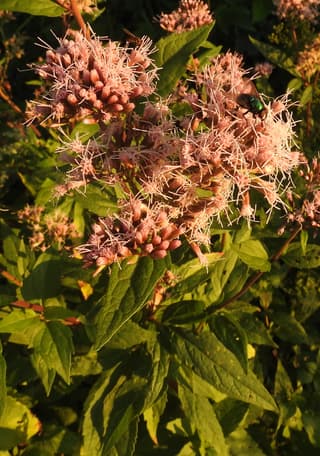
Boneset
Eupatorium
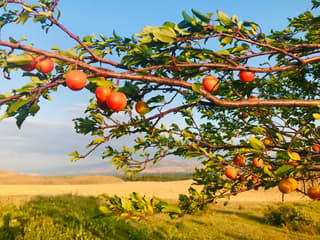
European Plum
Prunus domestica
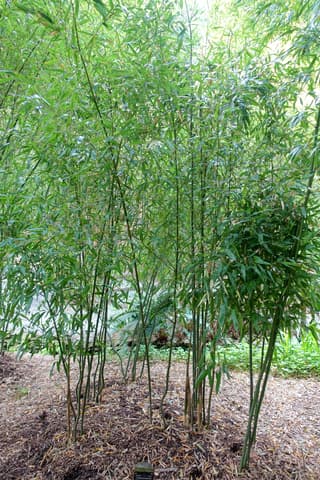
Yellow Groove Bamboo
Phyllostachys aureosulcata
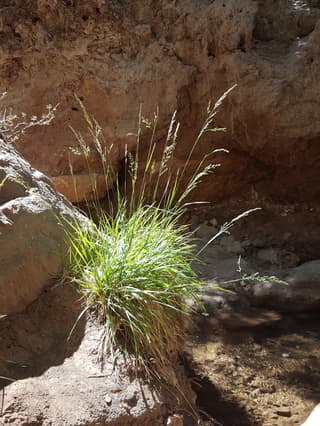
Tall Fescue
Lolium arundinaceum
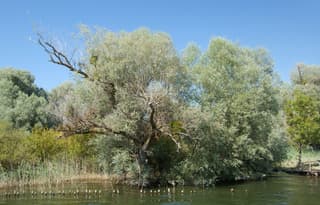
Willow
Salix
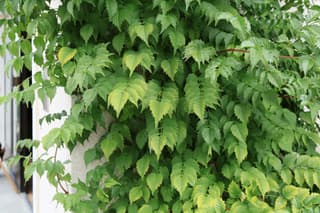
Trumpet Vine
Campsis × tagliabuana
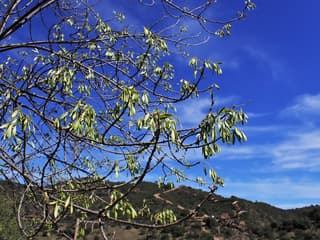
Narrow-leaved Ash
Fraxinus angustifolia
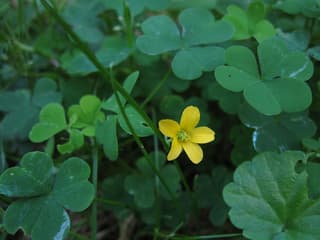
Common Yellow Woodsorrel
Oxalis stricta
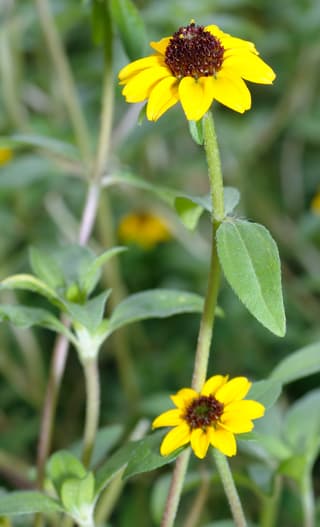
Creeping Zinnia
Sanvitalia procumbens
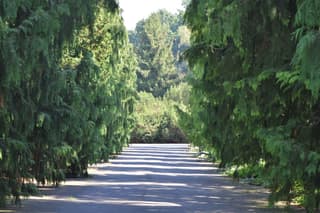
Lawson's Cypress
Chamaecyparis lawsoniana
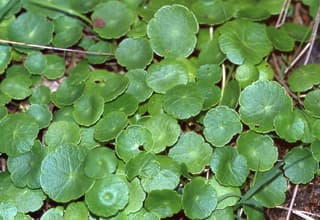
Marsh pennywort
Hydrocotyle vulgaris
Anderson County Climate for Plant Growing
Anderson County has a climate with an average annual temperature of 15°C and average relative humidity of 69.8%. These climate conditions are ideal for various species of ornamental and fruit plants.
Tips for Growing Plants in Anderson County
To succeed in growing plants in Anderson County, consider the average temperature of 15°C when choosing your species. Protect cold-sensitive plants during winter. Moderate humidity is ideal for most plants.
Why Choose Plants Adapted to the Local Climate?
Plants adapted to Anderson County's climate require less care, consume less water, and are more likely to thrive. Our selection considers the compatibility between each species' needs and local climate conditions, including temperature (15°C) and humidity (69.8%).