500 Best Plants for Anderson County | 2026 Guide - Page 7
Discover the 500 ideal plants for Anderson County's climate. Average temp: 15°C, Humidity: 69.8%.
Top 500 Plants for Anderson County
Showing 217-252 of 500
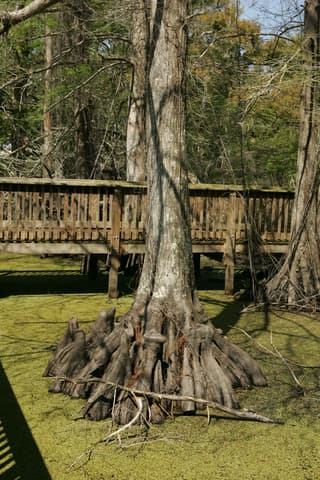
Bald Cypress
Taxodium distichum
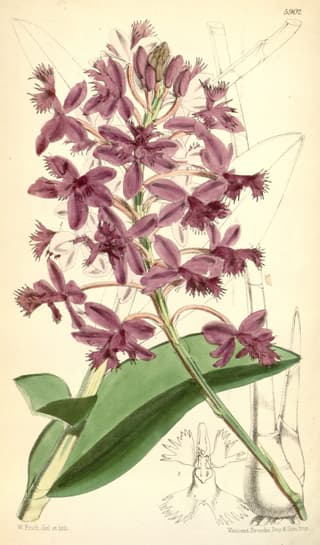
Jamieson's Epidendrum
Epidendrum jamiesonis
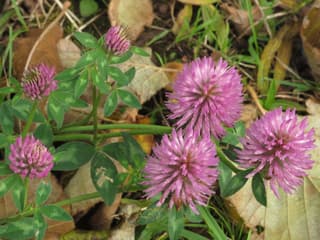
Red Clover
Trifolium pratense
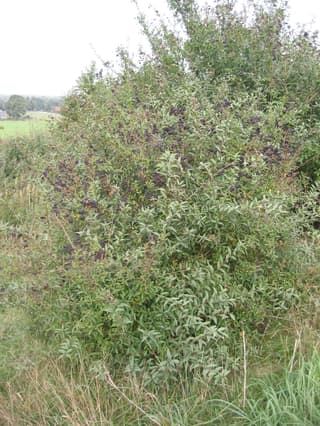
Common Privet
Ligustrum vulgare
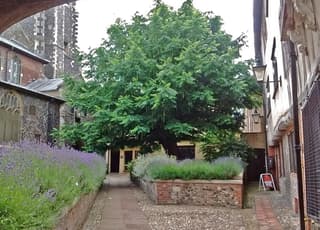
Caucasian Wingnut
Pterocarya fraxinifolia
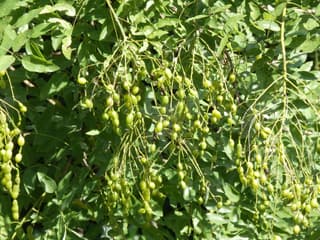
Japanese Pagoda Tree
Styphnolobium japonicum
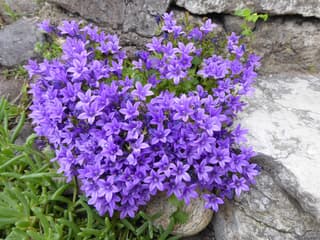
Dalmatian Bellflower
Campanula portenschlagiana
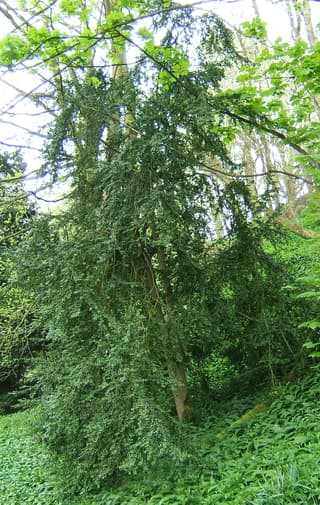
Common boxwood
Buxus sempervirens
Speedwell
Veronica
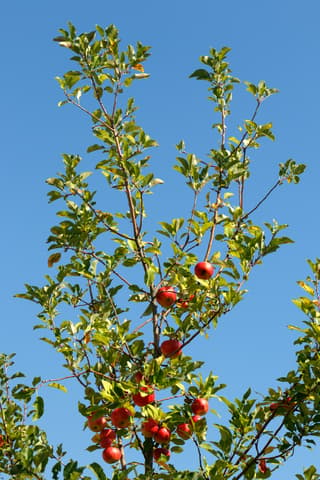
Apple Tree
Malus domestica
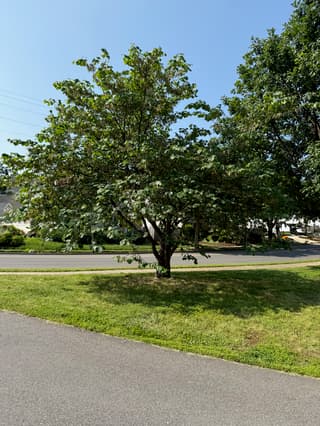
Eastern Redbud
Cercis canadensis
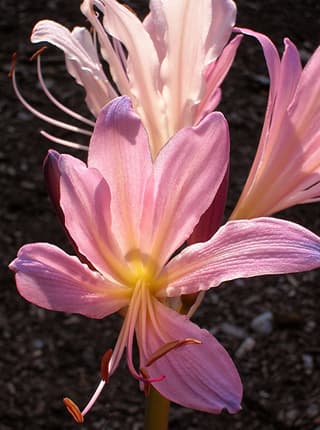
Resurrection lily
Lycoris squamigera
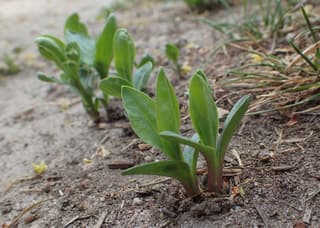
Soapwort
Saponaria officinalis
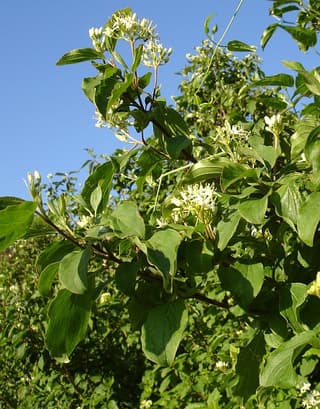
Dogwood
Cornus
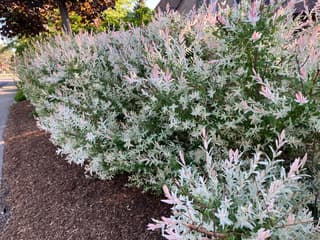
Dappled Willow 'Hakuro Nishiki'
Salix integra 'Hakuro Nishiki'
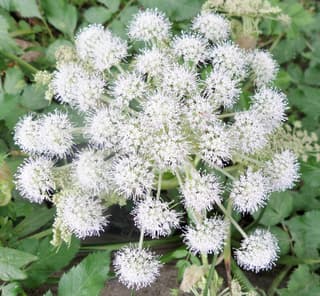
Wild Angelica
Angelica sylvestris
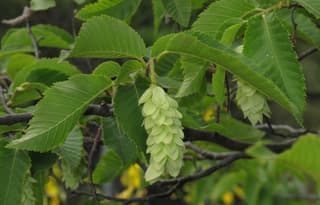
European hop-hornbeam
Ostrya carpinifolia
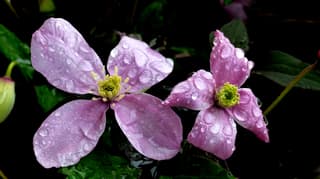
Anemone Clematis
Clematis montana
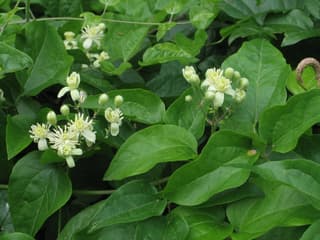
Traveller's Joy
Clematis vitalba
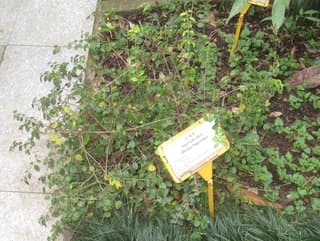
Sweet Plum
Sageretia theezans
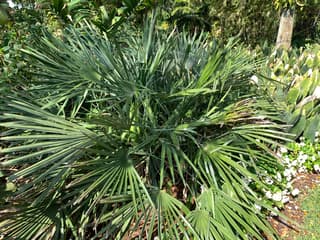
Needle Palm
Rhapidophyllum hystrix
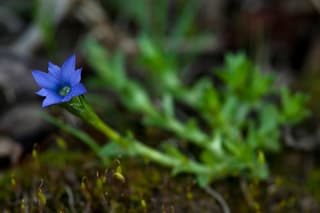
Pygmy Gentian
Gentiana prostrata
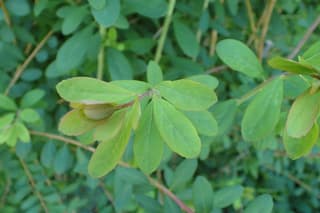
Japanese Spiraea
Spiraea japonica
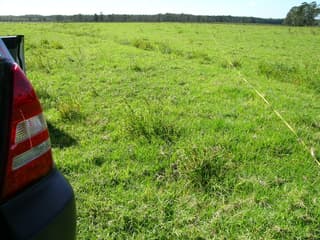
Kikuyu Grass
Cenchrus clandestinus
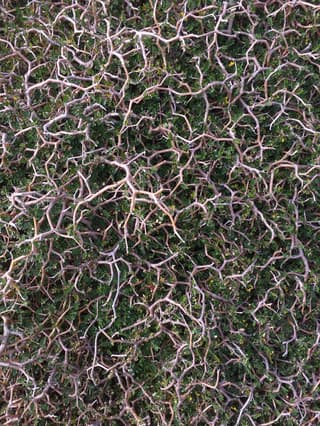
Dwarf Kowhai
Sophora prostrata
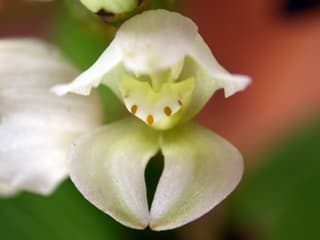
Govenia
Govenia
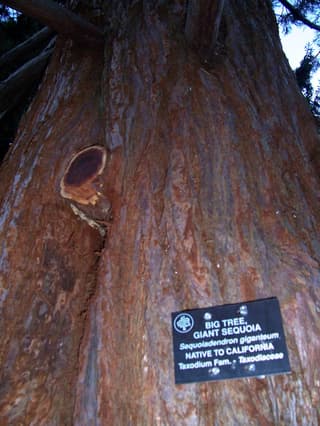
Giant Sequoia
Sequoiadendron giganteum
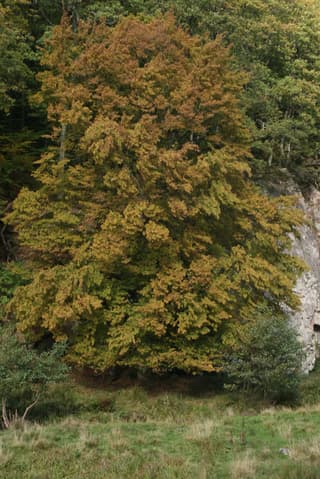
European Hornbeam
Carpinus betulus
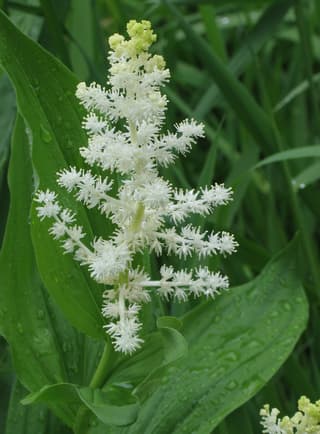
False Lily of the Valley
Maianthemum
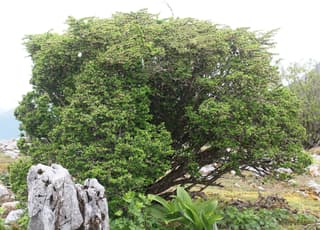
Japanese Barberry
Berberis thunbergii
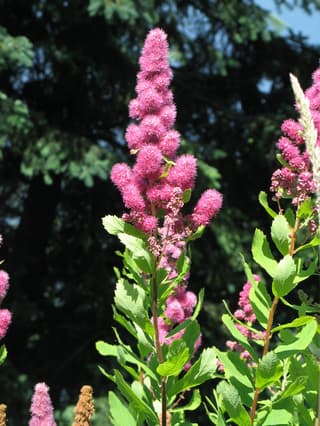
Douglas Spirea
Spiraea douglasii
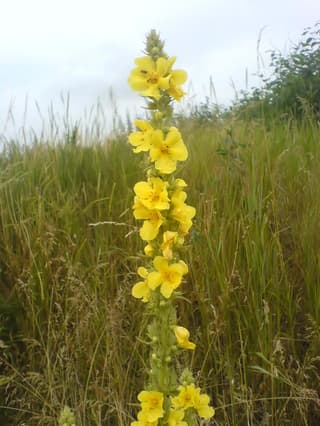
Denseflower Mullein
Verbascum densiflorum
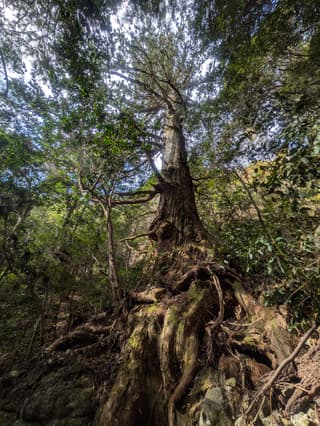
Japanese Cedar
Cryptomeria japonica
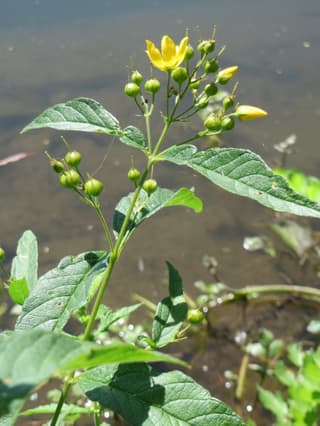
Loosestrife
Lysimachia
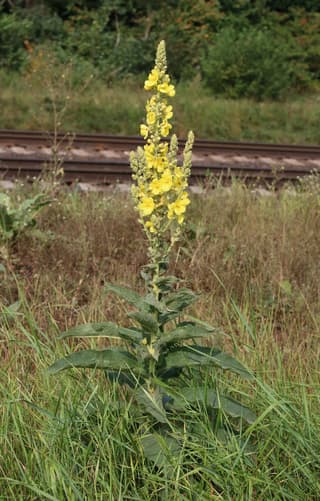
Orange Mullein
Verbascum phlomoides
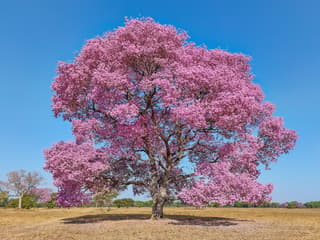
Trumpet Tree
Handroanthus
Anderson County Climate for Plant Growing
Anderson County has a climate with an average annual temperature of 15°C and average relative humidity of 69.8%. These climate conditions are ideal for various species of ornamental and fruit plants.
Tips for Growing Plants in Anderson County
To succeed in growing plants in Anderson County, consider the average temperature of 15°C when choosing your species. Protect cold-sensitive plants during winter. Moderate humidity is ideal for most plants.
Why Choose Plants Adapted to the Local Climate?
Plants adapted to Anderson County's climate require less care, consume less water, and are more likely to thrive. Our selection considers the compatibility between each species' needs and local climate conditions, including temperature (15°C) and humidity (69.8%).