500 Best Easy Care for Biritiba Mirim | 2026 Guide - Page 7
The 500 best easy care to grow in Biritiba Mirim. Ideal climate: 18.9°C, 84.1% humidity.
500 Easy Care for Biritiba Mirim
Showing 217-252 of 500
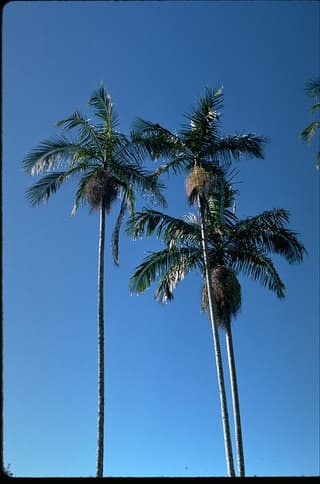
Bangalow Palm
Archontophoenix cunninghamiana
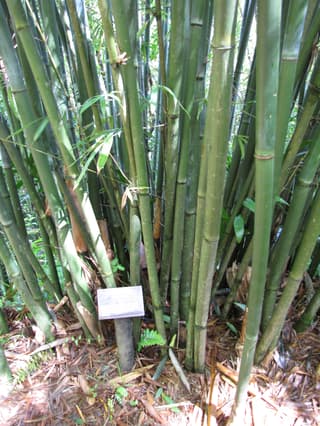
Slender Weavers Bamboo
Bambusa textilis gracili
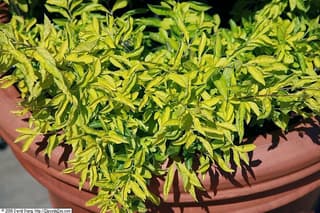
Golden Dewdrop
Duranta erecta aurea
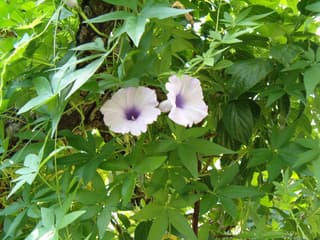
Mile-a-minute vine
Ipomoea cairica
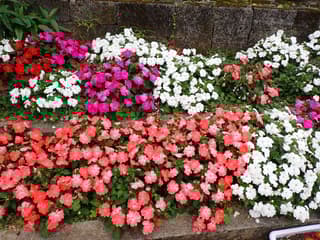
New Guinea Impatiens
Impatiens hawkeri
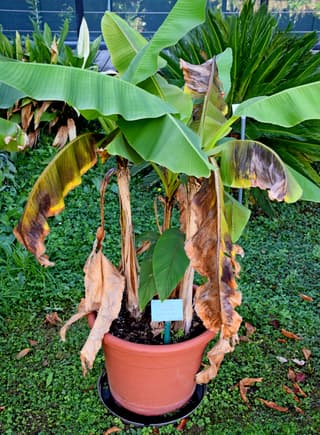
Japanese Banana
Musa basjoo
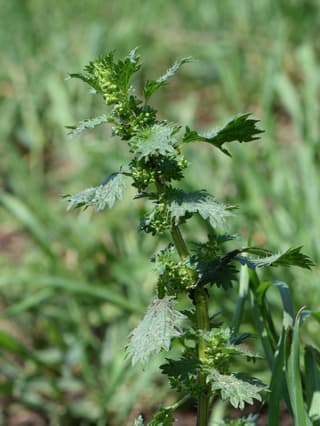
Small Nettle
Urtica urens
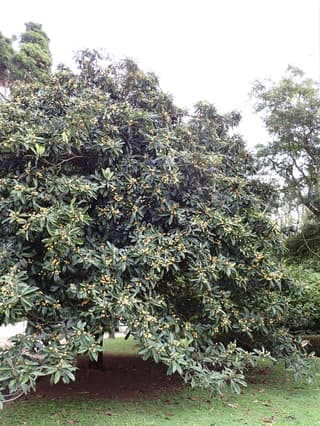
Loquat
Rhaphiolepis bibas
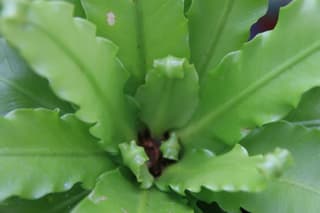
Japanese Bird's Nest Fern
Asplenium antiquum
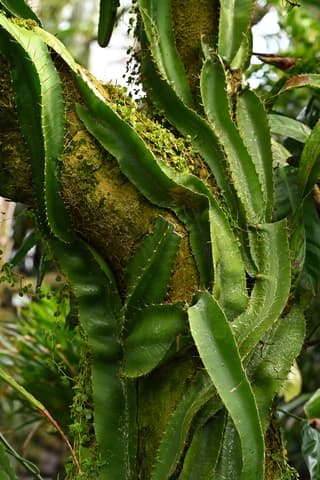
Climbing Cactus
Epiphyllum phyllanthus
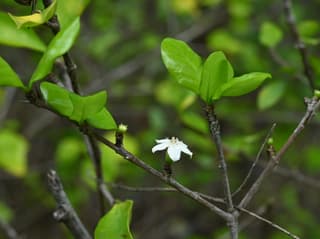
White Indigoberry
Randia aculeata
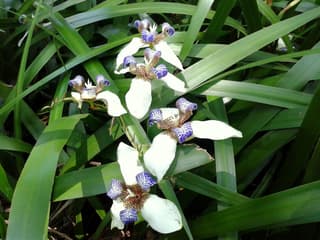
White Walking Iris
Neomarica candida
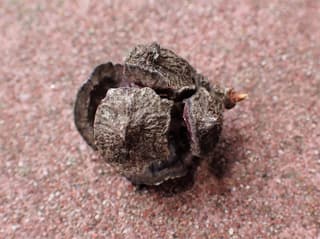
Mexican Cypress
Cupressus lusitanica
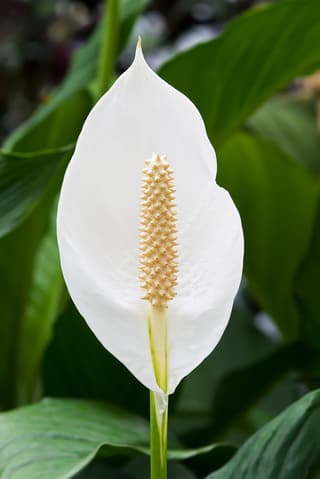
Peace Lily
Spathiphyllum wallisii
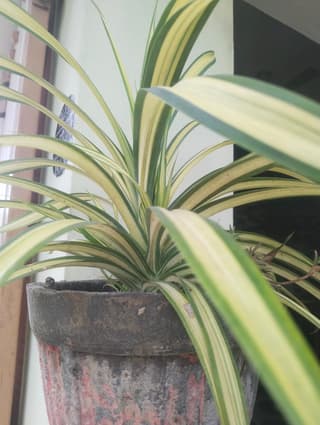
Spider Plant (genus)
Chlorophytum
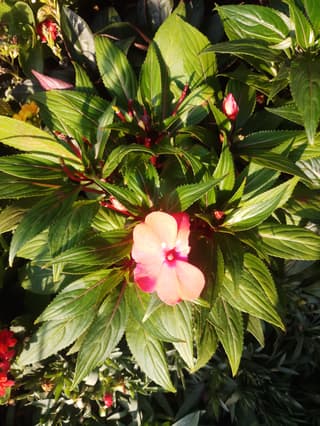
Busy Lizzie
Impatiens walleriana
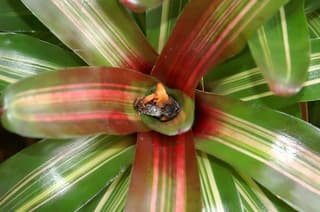
Blushing Bromeliad
Neoregelia carolinae
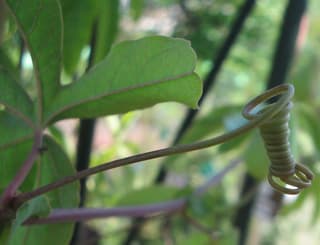
Blue Passion Flower
Passiflora caerulea
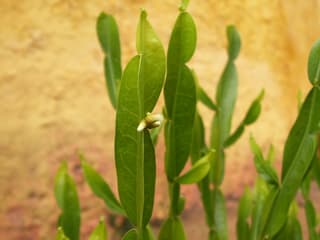
Carqueja
Baccharis trimera
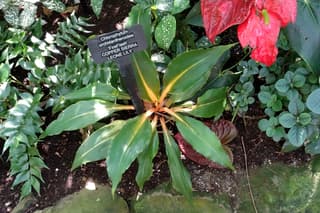
Mandarin Plant
Chlorophytum orchidastrum
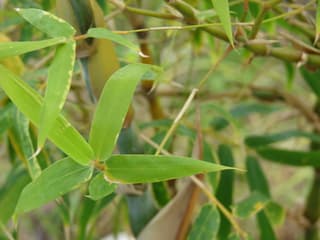
Buddha Belly Bamboo
Bambusa ventricosa
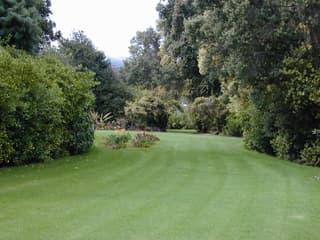
Canna Lily
Canna x generalis
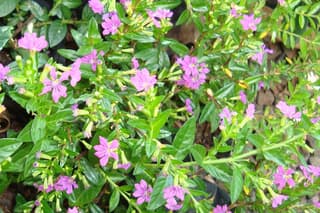
Slender Cuphea
Cuphea gracilis
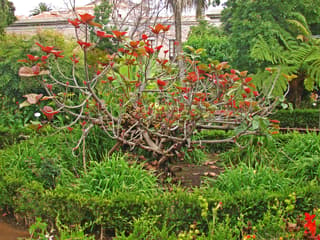
Roxburgh Fig
Ficus auriculata
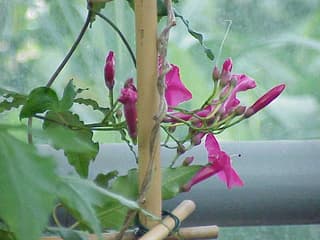
Cardinal Creeper
Ipomoea horsfalliae
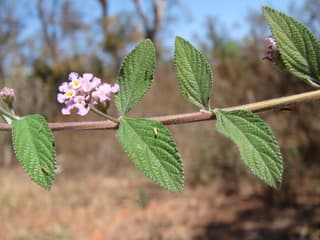
Bushy Lippia
Lippia alba
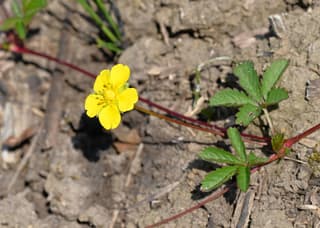
Creeping Cinquefoil
Potentilla reptans
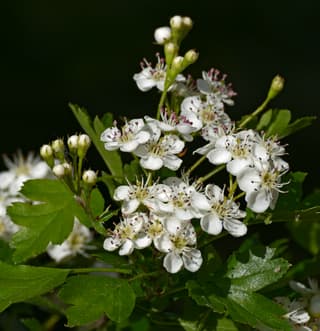
Common Hawthorn
Crataegus monogyna
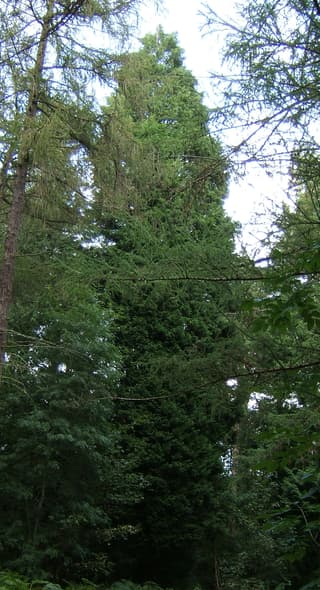
Leyland Cypress
× Hesperotropsis leylandii
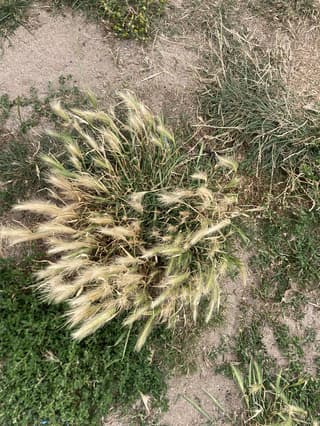
Wall barley
Hordeum murinum
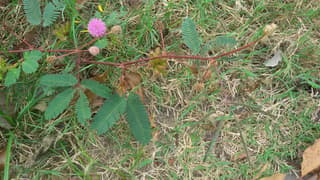
Sensitive Plant
Mimosa pudica
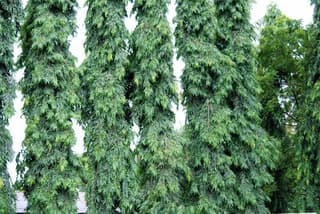
Mast Tree
Polyalthia longifolia
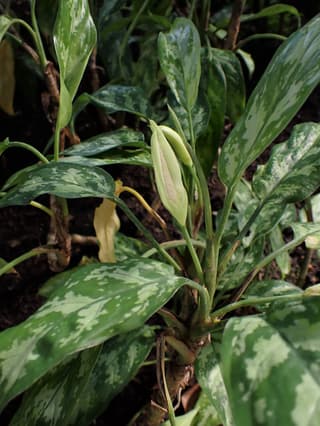
Chinese Evergreen
Aglaonema commutatum
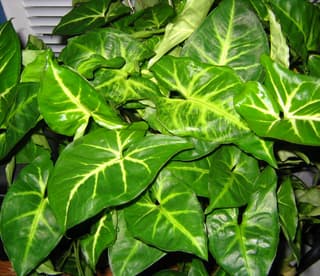
Arrowhead Plant
Syngonium podophyllum
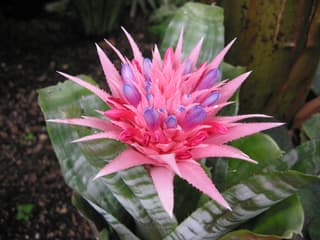
Urn Plant
Aechmea fasciata
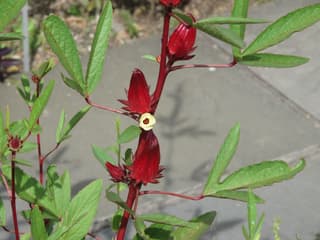
Roselle
Hibiscus sabdariffa
Ideal Easy Care for Biritiba Mirim's Climate
Biritiba Mirim has an average temperature of 18.9°C and humidity of 84.1%, conditions that directly influence which easy care best adapt to the local environment.
How to Grow Easy Care in Biritiba Mirim
To successfully grow easy care in Biritiba Mirim, consider that the average temperature of 18.9°C and humidity of 84.1% create a specific microclimate. High humidity favors tropical species, but requires attention to ventilation to prevent fungal issues.
Advantages of Choosing Adapted Easy Care
Easy Care adapted to Biritiba Mirim's climate show greater resistance, healthy growth, and less need for interventions.