500 Best Plants for Capão da Canoa | 2026 Guide - Page 13
Discover the 500 ideal plants for Capão da Canoa's climate. Average temp: 20.4°C, Humidity: 80.4%.
Top 500 Plants for Capão da Canoa
Showing 433-468 of 500
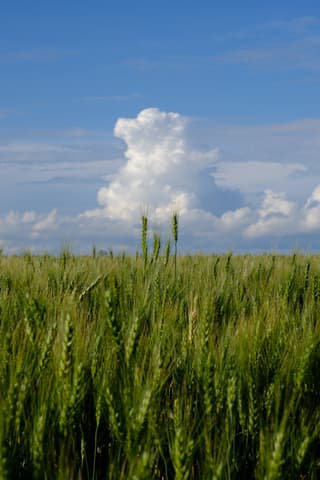
Common wheat
Triticum aestivum
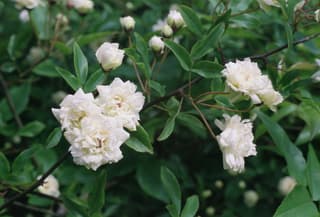
Lady Banks' Rose
Rosa banksiae
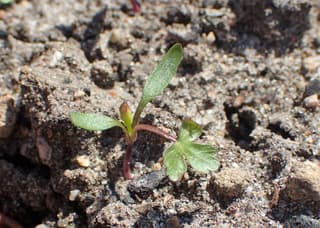
Fool's Parsley
Aethusa cynapium
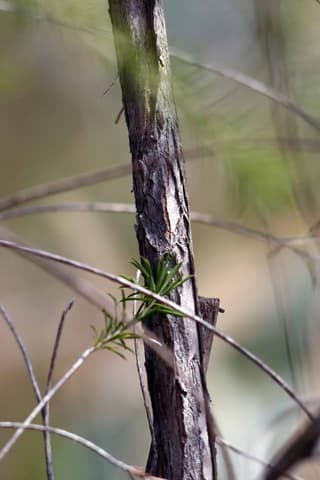
Bracelet Honey Myrtle
Melaleuca armillaris
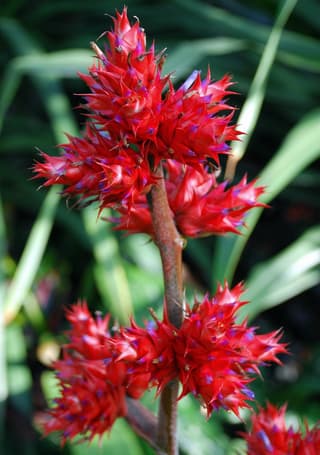
Hohenbergia
Hohenbergia
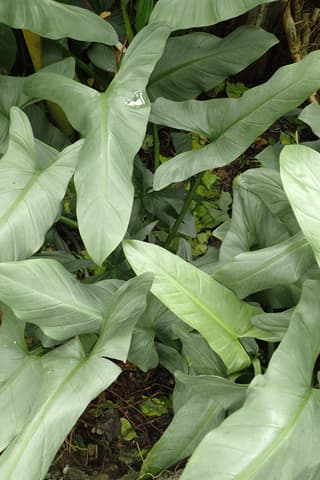
Silver Sword Philodendron
Philodendron hastatum
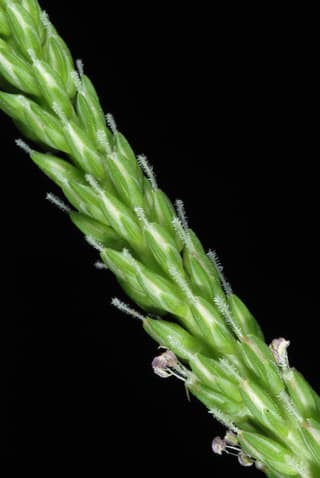
Blackseed Plantain
Plantago rugelii
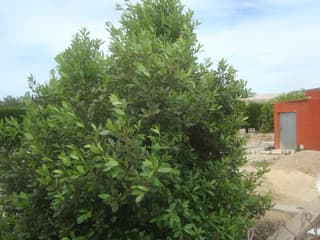
Bay Laurel
Laurus nobilis
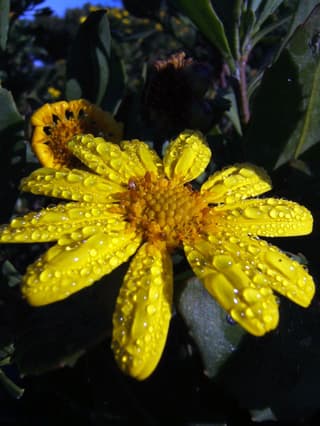
Bietou
Osteospermum moniliferum
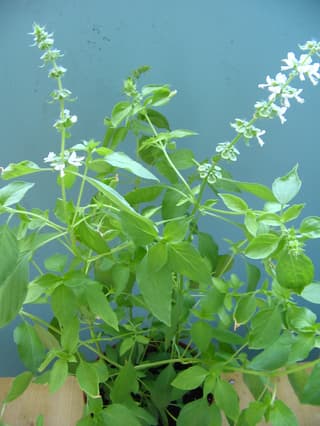
Lemon Basil
Ocimum × citriodorum
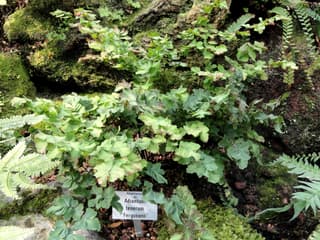
Fan Maidenhair Fern
Adiantum tenerum
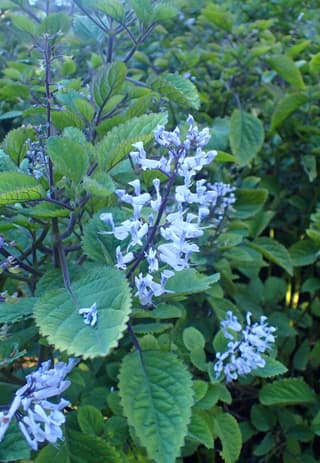
Speckled Spur-Flower
Plectranthus ciliatus
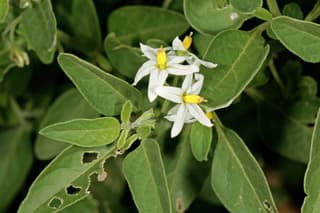
Tall nightshade
Solanum chenopodioides
Pearls and Jade Pothos
Epipremnum aureum 'Pearls and Jade'
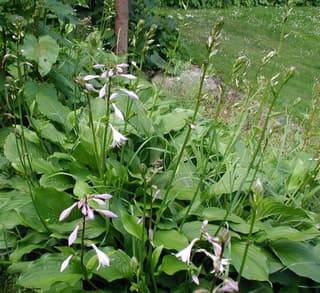
Fortune's Hosta
Hosta fortunei
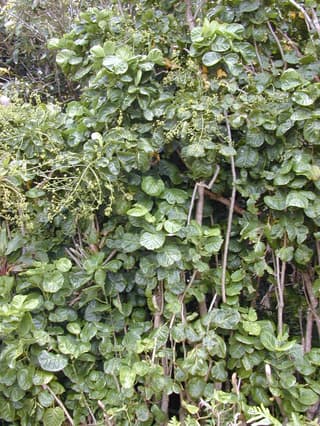
Shield Aralia
Polyscias scutellaria
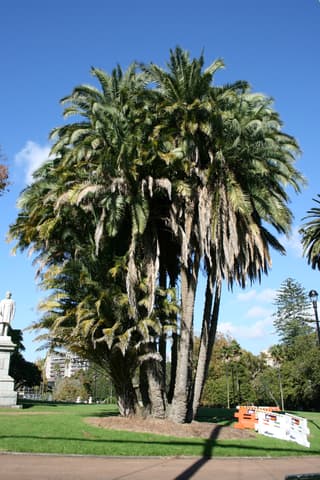
Senegal Date Palm
Phoenix reclinata
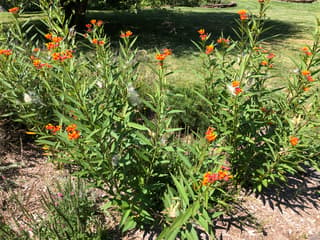
Tropical Milkweed
Asclepias curassavica
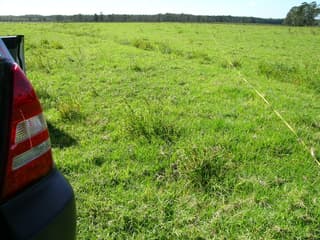
Kikuyu Grass
Cenchrus clandestinus
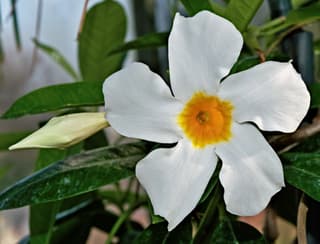
White Rock Trumpet
Mandevilla boliviensis
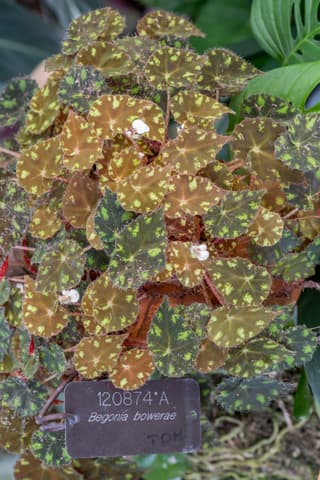
Eyelash Begonia
Begonia bowerae
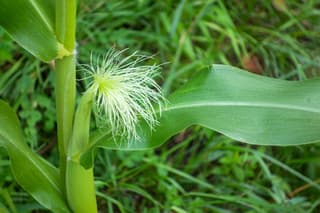
Corn / Maize
Zea
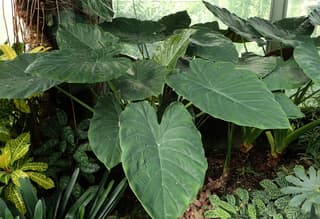
New Guinea Shield
Alocasia wentii
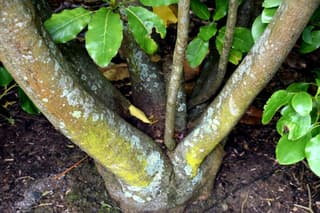
Puka
Meryta
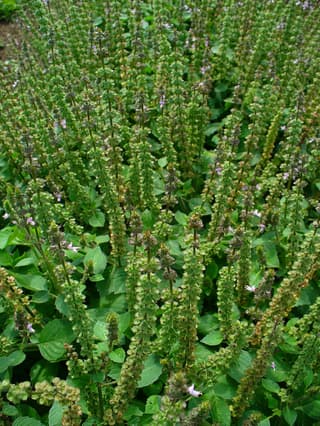
Hoary Basil
Ocimum americanum
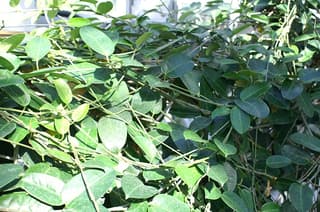
Madagascar Jasmine
Stephanotis floribunda
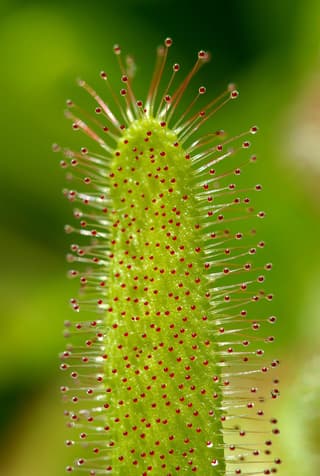
Cape Sundew
Drosera capensis
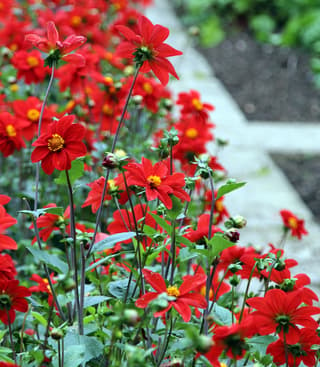
Dahlia
Dahlia
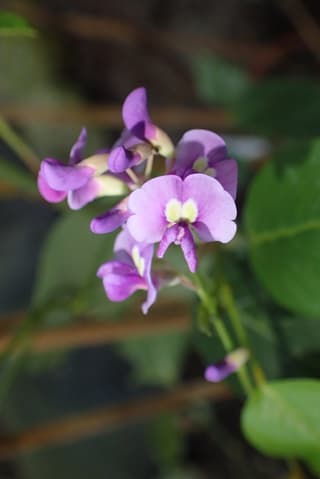
Purple Coral Pea
Hardenbergia violacea

Cape Primrose
Streptocarpus
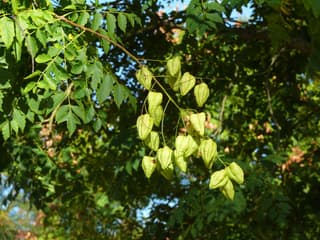
Golden Rain Tree
Koelreuteria paniculata
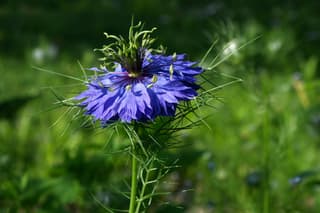
Love-in-a-mist
Nigella damascena
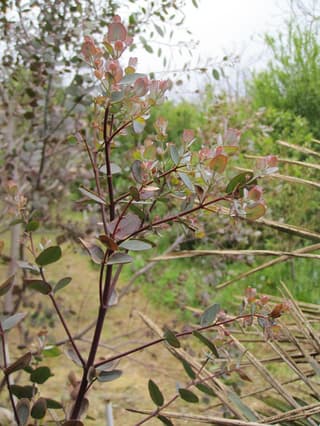
Cider Gum
Eucalyptus gunnii
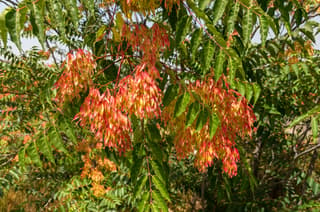
Tree of Heaven
Ailanthus altissima
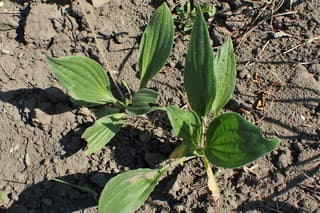
Asian Plantain
Plantago asiatica
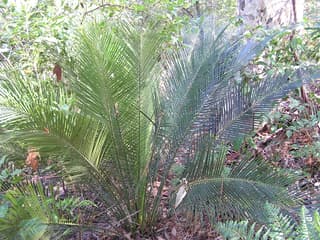
Burrawang
Macrozamia
Capão da Canoa Climate for Plant Growing
Capão da Canoa has a climate with an average annual temperature of 20.4°C and average relative humidity of 80.4%. These climate conditions are ideal for various species of ornamental and fruit plants.
Tips for Growing Plants in Capão da Canoa
To succeed in growing plants in Capão da Canoa, consider the average temperature of 20.4°C when choosing your species. The temperate climate allows you to grow a wide variety of species. High humidity favors tropical plants, but watch for fungal issues.
Why Choose Plants Adapted to the Local Climate?
Plants adapted to Capão da Canoa's climate require less care, consume less water, and are more likely to thrive. Our selection considers the compatibility between each species' needs and local climate conditions, including temperature (20.4°C) and humidity (80.4%).