500 Best Easy Care for Casco urbano de Chía | 2026 Guide - Page 7
The 500 best easy care to grow in Casco urbano de Chía. Ideal climate: 13°C, 81% humidity.
500 Easy Care for Casco urbano de Chía
Showing 217-252 of 500
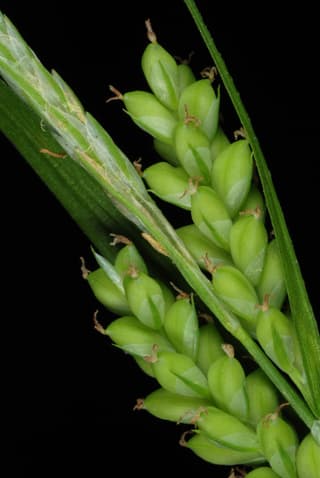
Eastern Woodland Sedge
Carex blanda
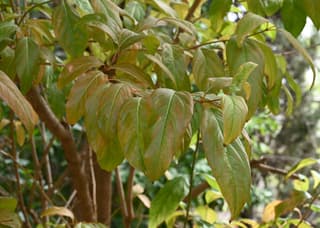
Fiddlewood
Citharexylum spinosum
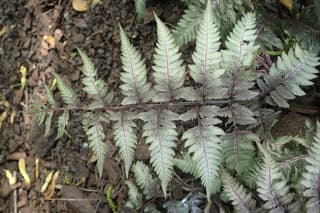
Japanese Painted Fern
Athyrium niponicum
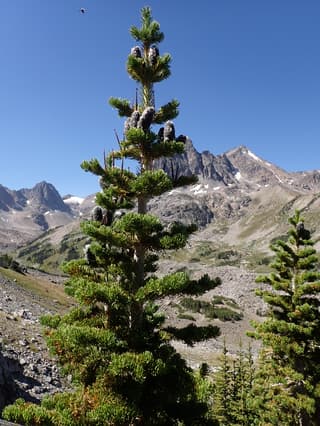
Subalpine Fir
Abies lasiocarpa
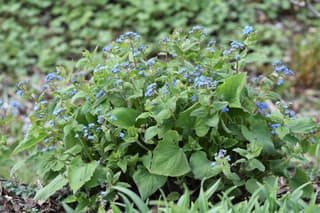
Siberian Bugloss
Brunnera macrophylla
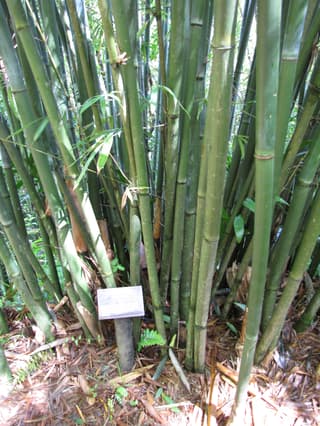
Slender Weavers Bamboo
Bambusa textilis gracili
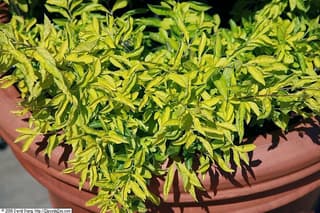
Golden Dewdrop
Duranta erecta aurea
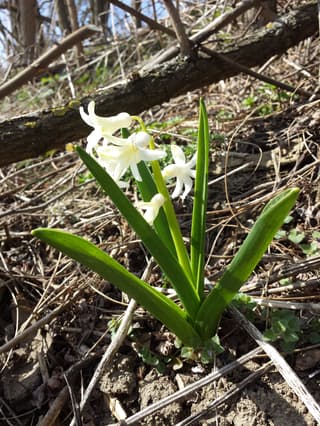
Common Hyacinth
Hyacinthus orientalis
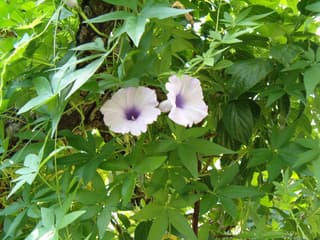
Mile-a-minute vine
Ipomoea cairica
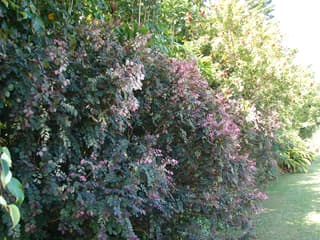
Snowbush
Breynia disticha
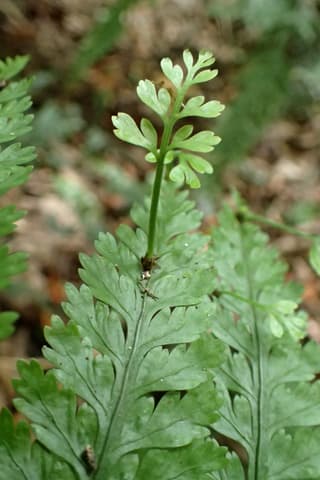
Hen and Chickens Fern
Asplenium bulbiferum
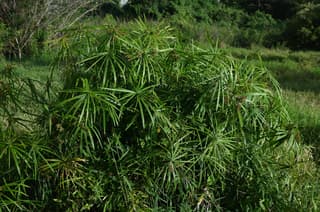
Umbrella Sedge
Cyperus
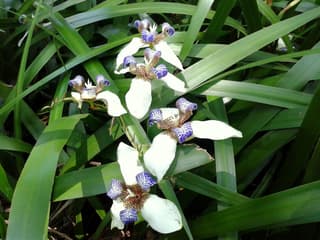
White Walking Iris
Neomarica candida
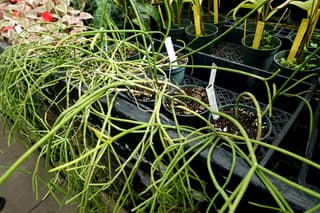
Mistletoe cactus
Rhipsalis baccifera
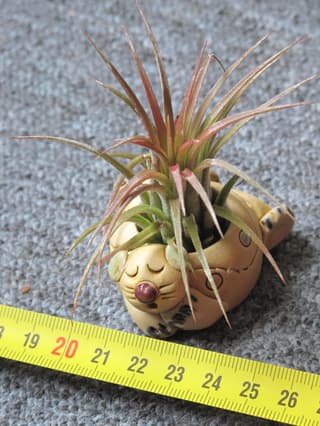
Sky Plant
Tillandsia ionantha
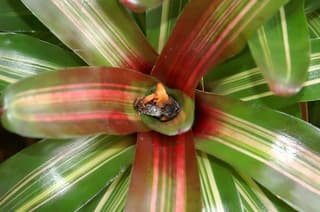
Blushing Bromeliad
Neoregelia carolinae
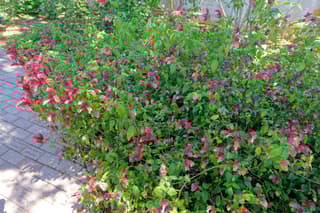
Shrimp Plant
Justicia brandegeeana
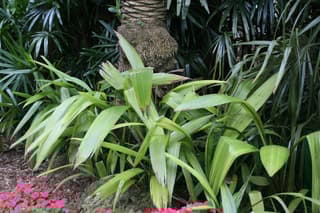
Palm Grass
Curculigo capitulata
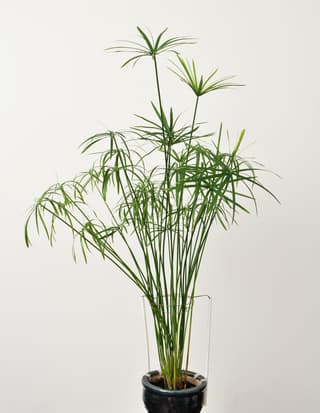
Umbrella Papyrus
Cyperus alternifolius
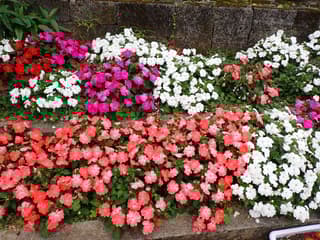
New Guinea Impatiens
Impatiens hawkeri
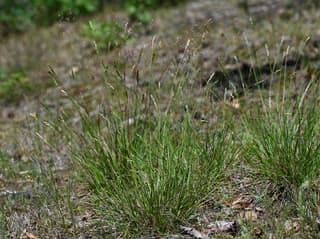
Heath-grass
Danthonia decumbens
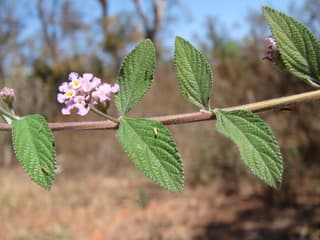
Bushy Lippia
Lippia alba
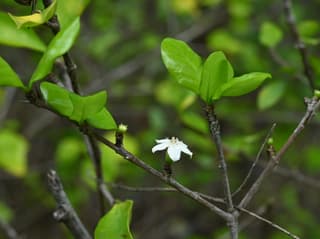
White Indigoberry
Randia aculeata
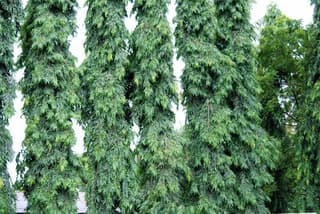
Mast Tree
Polyalthia longifolia
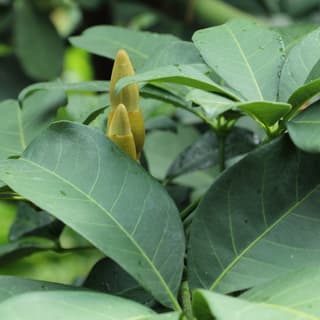
Money Tree
Pachira aquatica
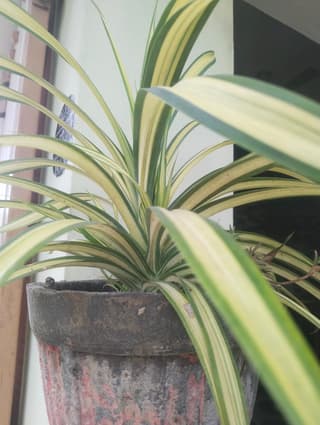
Spider Plant (genus)
Chlorophytum
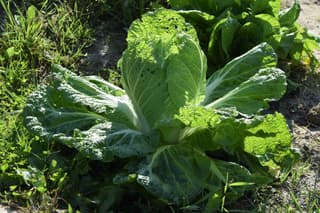
Chinese Cabbage
Brassica rapa pekinensis
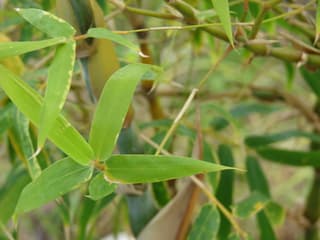
Buddha Belly Bamboo
Bambusa ventricosa
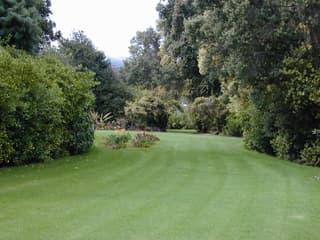
Canna Lily
Canna x generalis
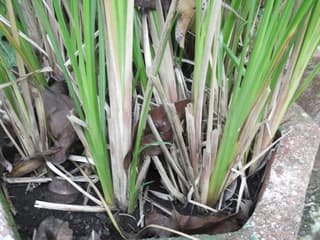
Vetiver
Chrysopogon zizanioides
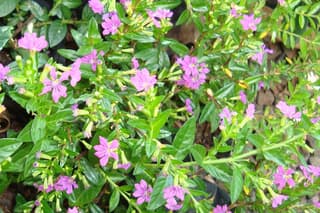
Slender Cuphea
Cuphea gracilis
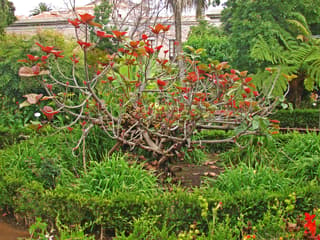
Roxburgh Fig
Ficus auriculata
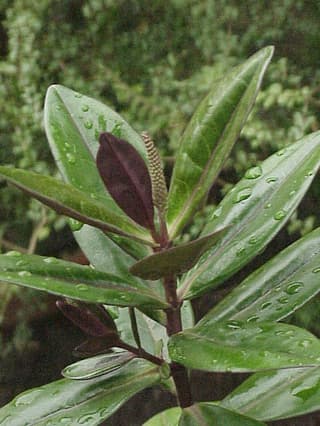
Showy Hebe
Hebe speciosa
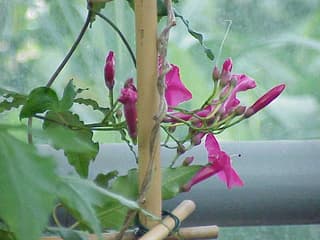
Cardinal Creeper
Ipomoea horsfalliae
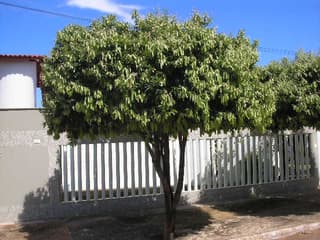
Oiti Tree
Licania tomentosa
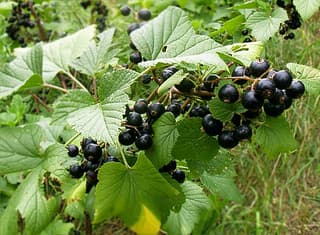
Blackcurrant
Ribes nigrum
Ideal Easy Care for Casco urbano de Chía's Climate
Casco urbano de Chía has an average temperature of 13°C and humidity of 81%, conditions that directly influence which easy care best adapt to the local environment.
How to Grow Easy Care in Casco urbano de Chía
To successfully grow easy care in Casco urbano de Chía, consider that the average temperature of 13°C and humidity of 81% create a specific microclimate. High humidity favors tropical species, but requires attention to ventilation to prevent fungal issues.
Advantages of Choosing Adapted Easy Care
Easy Care adapted to Casco urbano de Chía's climate show greater resistance, healthy growth, and less need for interventions.