500 Best Plants for Cosoleacaque | 2026 Guide - Page 13
Discover the 500 ideal plants for Cosoleacaque's climate. Average temp: 26.1°C, Humidity: 79.6%.
Top 500 Plants for Cosoleacaque
Showing 433-468 of 500
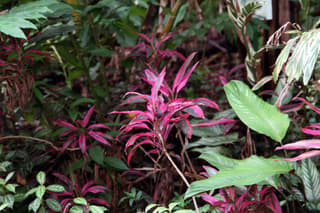
Ti Plant
Cordyline terminalis
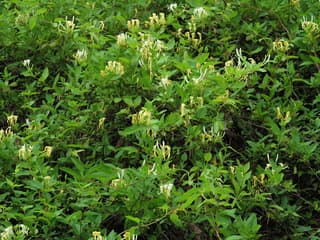
Japanese Honeysuckle
Lonicera japonica
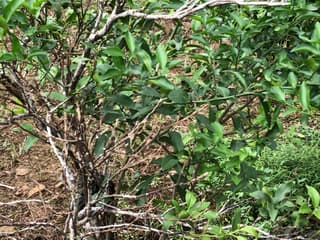
Kumquat
Citrus japonica
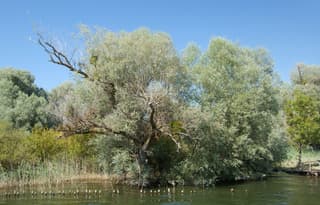
Willow
Salix
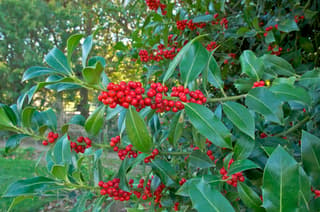
Holly
Ilex
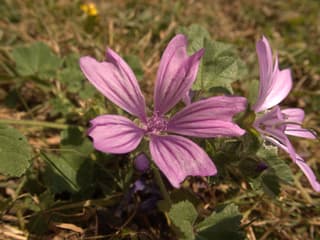
Mallow
Malva
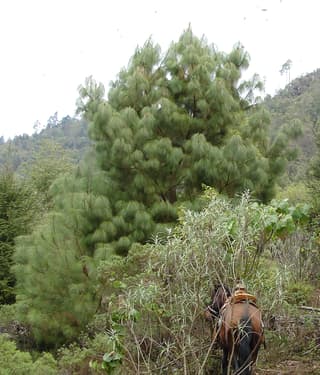
Smooth-bark Mexican Pine
Pinus pseudostrobus
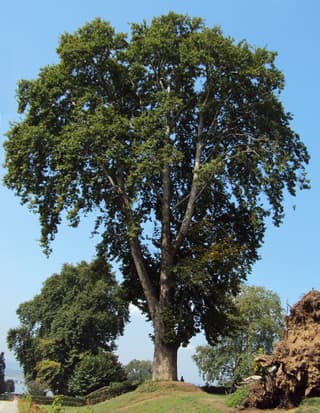
Plane Tree
Platanus
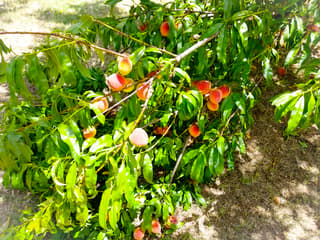
Peach Tree
Prunus persica
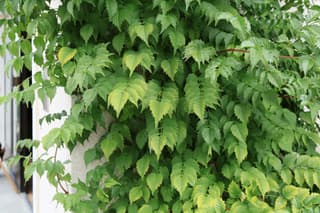
Trumpet Vine
Campsis × tagliabuana
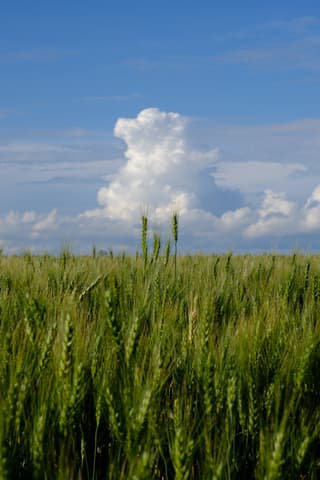
Common wheat
Triticum aestivum
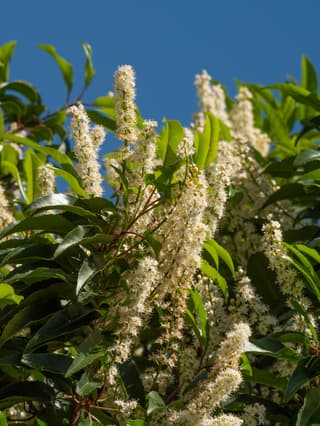
Portuguese Laurel
Prunus lusitanica
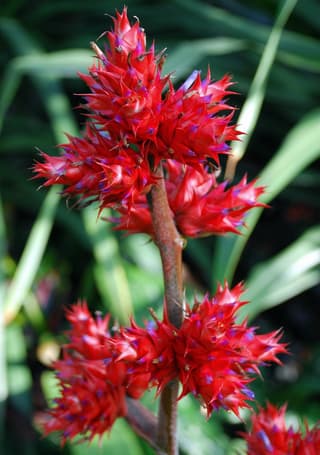
Hohenbergia
Hohenbergia
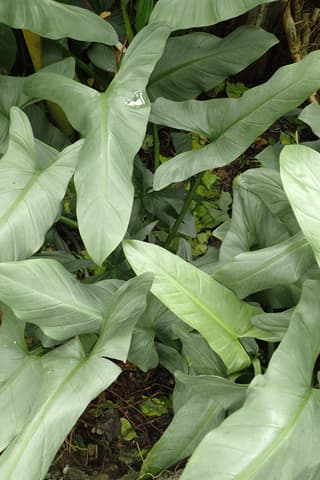
Silver Sword Philodendron
Philodendron hastatum
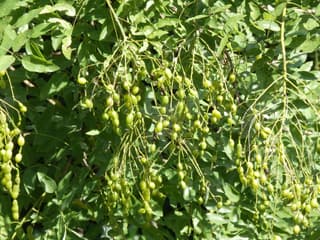
Japanese Pagoda Tree
Styphnolobium japonicum
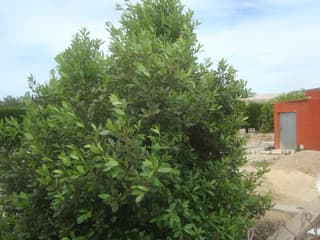
Bay Laurel
Laurus nobilis
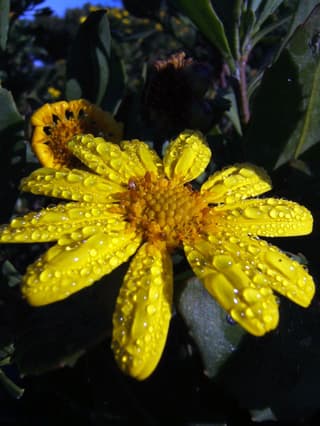
Bietou
Osteospermum moniliferum
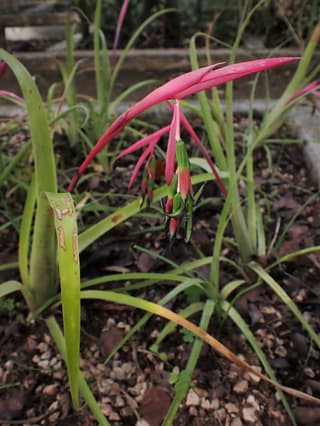
Queen's Tears
Billbergia nutans
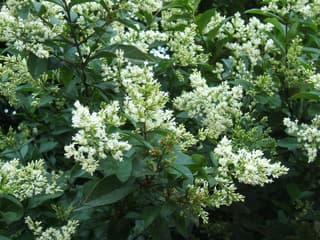
California Privet
Ligustrum ovalifolium
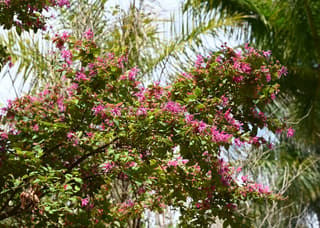
Chinese Fringe Flower
Loropetalum chinense
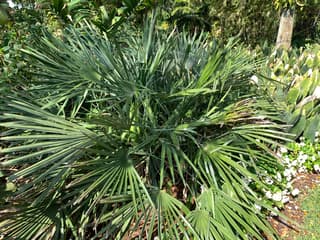
Needle Palm
Rhapidophyllum hystrix
Pearls and Jade Pothos
Epipremnum aureum 'Pearls and Jade'
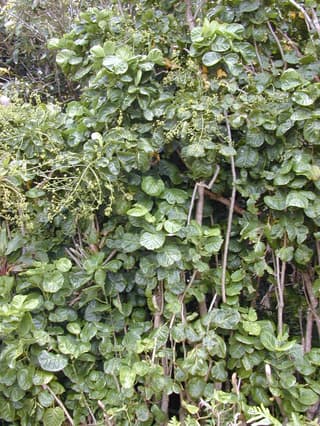
Shield Aralia
Polyscias scutellaria
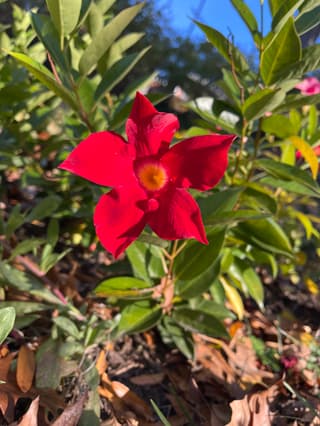
Mandevilla
Mandevilla
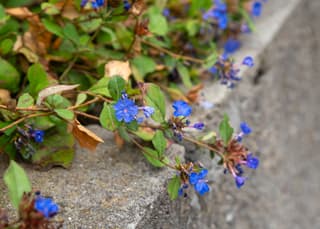
Hardy Plumbago
Ceratostigma plumbaginoides
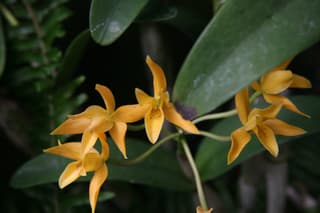
Orange Cattleya
Guarianthe aurantiaca
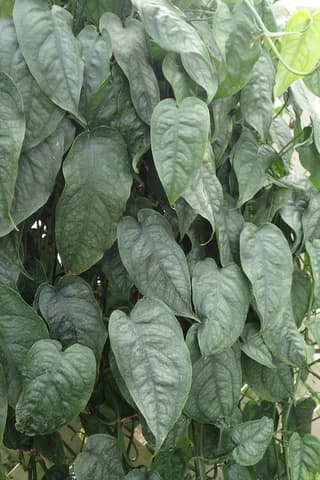
Silver Monstera
Monstera siltepecana
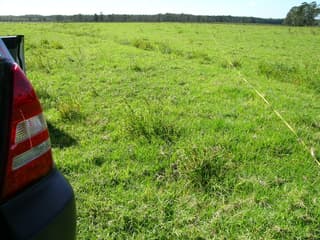
Kikuyu Grass
Cenchrus clandestinus
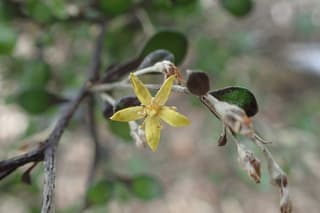
Wire-netting Bush
Corokia cotoneaster
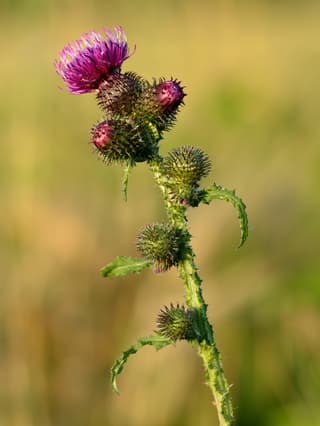
Thistle
Carduus
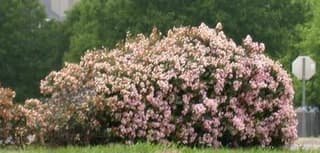
Indian Hawthorn
Rhaphiolepis indica
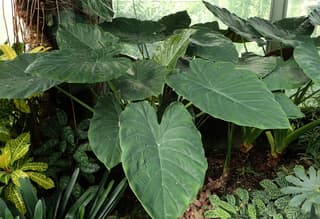
New Guinea Shield
Alocasia wentii
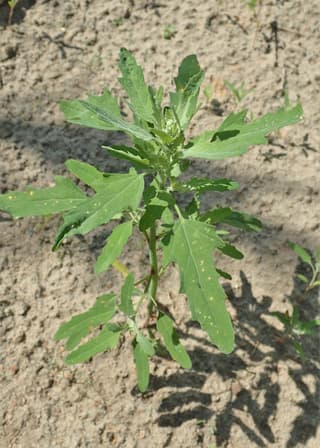
Fig-leaved Goosefoot
Chenopodium ficifolium
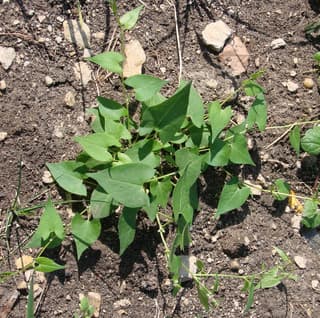
Black bindweed
Fallopia convolvulus
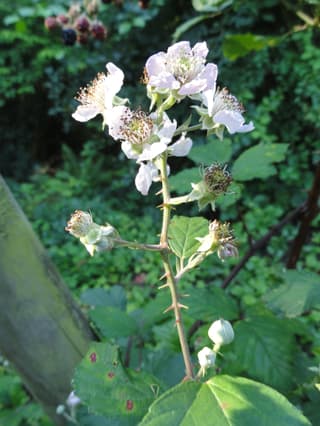
Himalayan Blackberry
Rubus bifrons
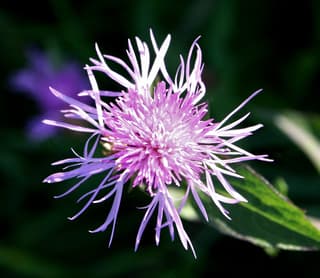
Tyrol Knapweed
Centaurea nigrescens
Cosoleacaque Climate for Plant Growing
Cosoleacaque has a climate with an average annual temperature of 26.1°C and average relative humidity of 79.6%. These climate conditions are ideal for various species of ornamental and fruit plants.
Tips for Growing Plants in Cosoleacaque
To succeed in growing plants in Cosoleacaque, consider the average temperature of 26.1°C when choosing your species. On very hot days, protect plants from direct sun during the most intense hours. High humidity favors tropical plants, but watch for fungal issues.
Why Choose Plants Adapted to the Local Climate?
Plants adapted to Cosoleacaque's climate require less care, consume less water, and are more likely to thrive. Our selection considers the compatibility between each species' needs and local climate conditions, including temperature (26.1°C) and humidity (79.6%).