346 Best Succulents for Dillon County | 2026 Guide - Page 4
The 346 best succulents to grow in Dillon County. Ideal climate: 18.3°C, 68.8% humidity.
346 Succulents for Dillon County
Showing 109-144 of 346
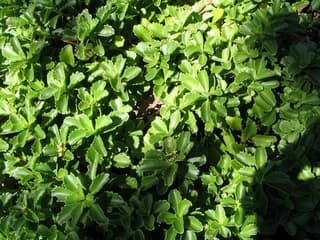
Kamchatka Stonecrop
Phedimus kamtschaticus
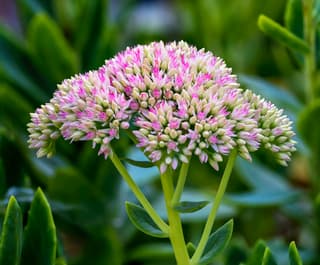
Autumn Joy Sedum
Hylotelephium
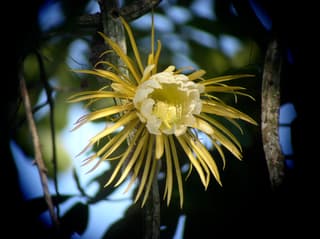
Night-Blooming Cereus
Selenicereus grandiflorus
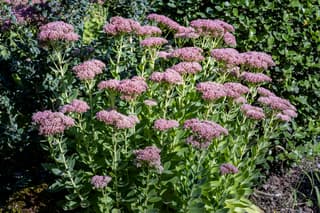
Orpine
Hylotelephium telephium
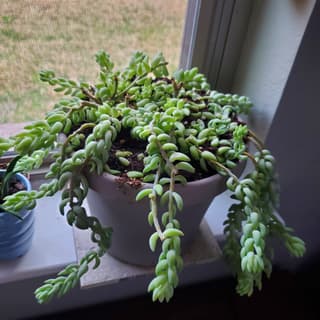
Stonecrop (genus)
Sedum
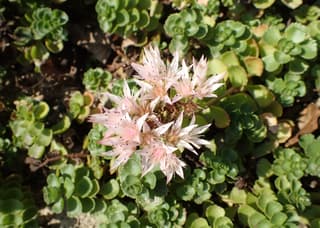
Two-row Stonecrop
Phedimus spurius
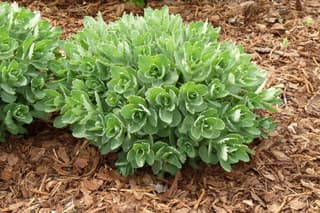
Showy Stonecrop
Hylotelephium spectabile
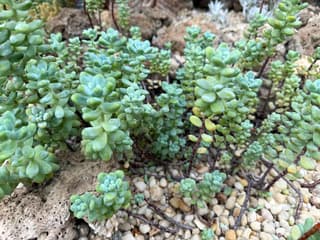
Jelly Bean Plant
Sedum pachyphyllum
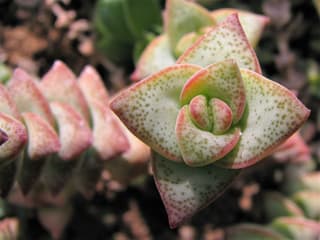
String of Buttons
Crassula perforata
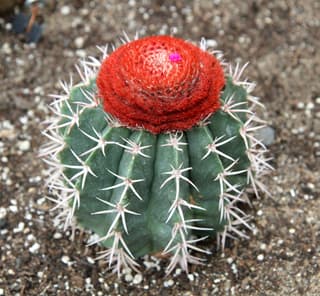
Turk's Cap Cactus
Melocactus zehntneri
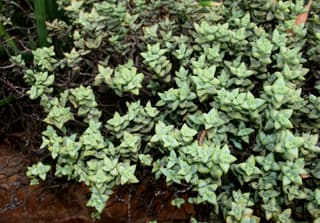
Concertina Plant
Crassula rupestris
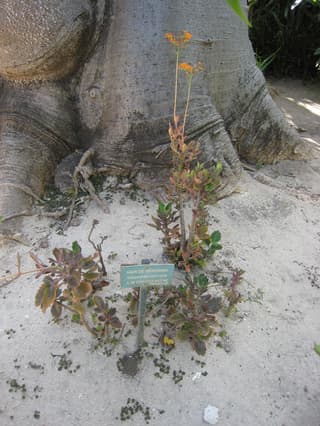
Christmas Tree Plant
Kalanchoe laciniata
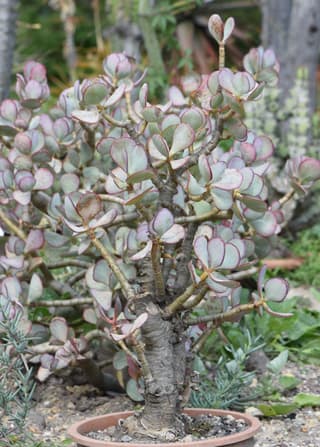
Silver Jade Plant
Crassula arborescens
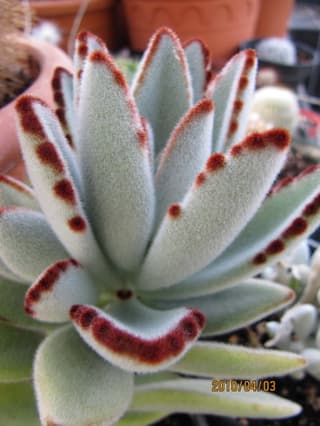
Panda Plant
Kalanchoe tomentosa
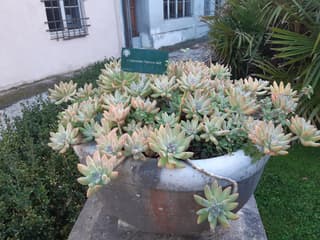
Pink Sedeveria
Graptosedum 'Francesco Baldi'
Giant Peruvian Cereus
Cereus peruvianus
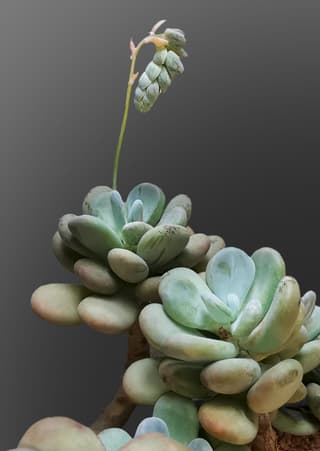
Moonstones
Pachyphytum
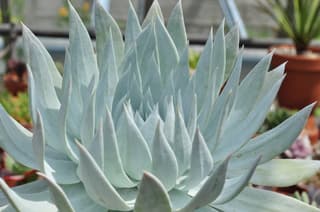
Liveforever
Dudleya
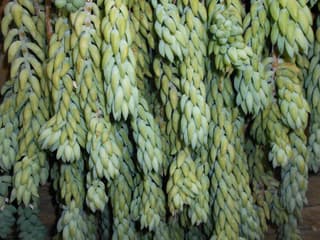
Burro's Tail
Sedum morganianum
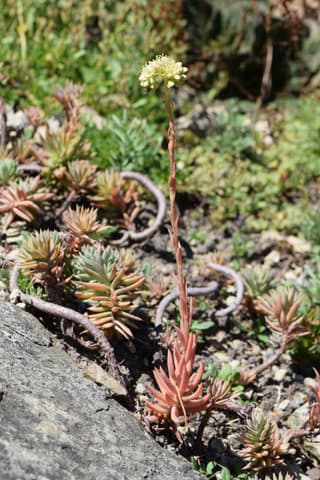
Pale Stonecrop
Petrosedum sediforme

Black Echeveria
Echeveria affinis
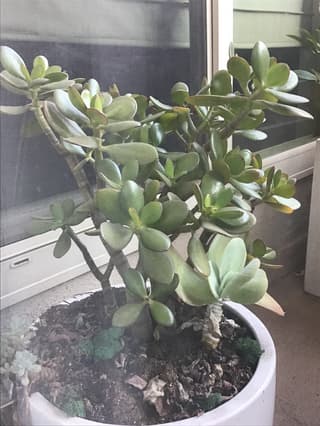
Crassula (genus)
Crassula
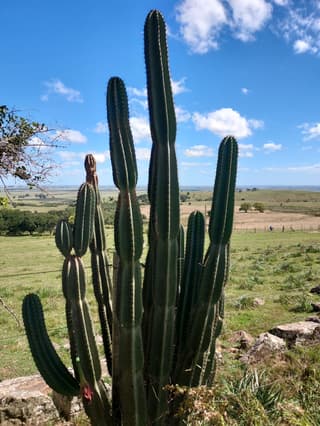
Cereus / Hedge Cactus (genus)
Cereus
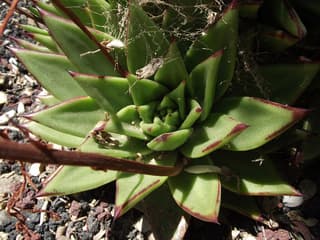
Lipstick Echeveria
Echeveria agavoides
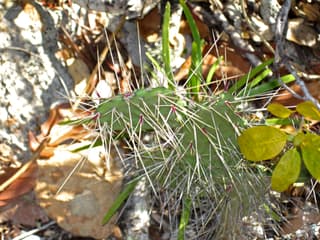
Sweet Prickly Pear
Opuntia dillenii
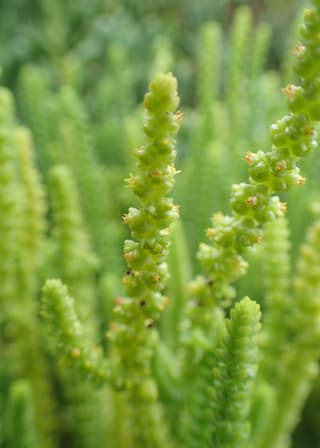
Watch Chain Plant
Crassula muscosa
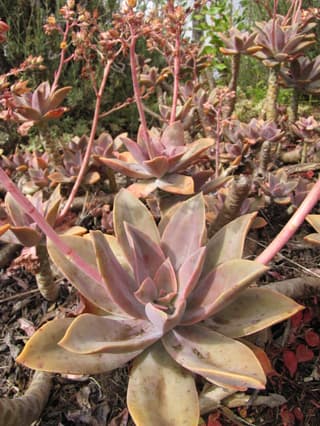
Graptoveria Ellen
Graptoveria 'Ellen'
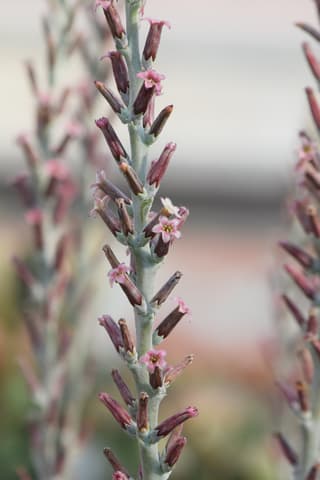
Plover Eggs Plant
Adromischus cooperi
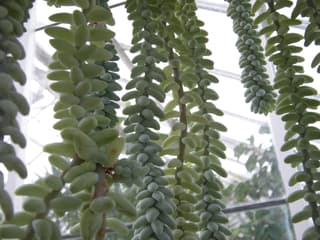
Baby Burro's Tail
Sedum burritum
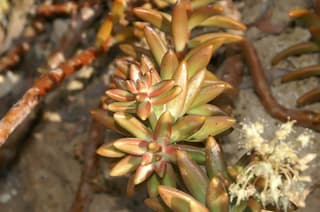
Coppertone Stonecrop
Sedum nussbaumerianum
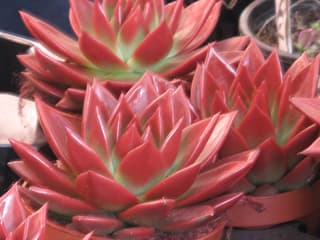
Miranda Echeveria
Echeveria 'Miranda'
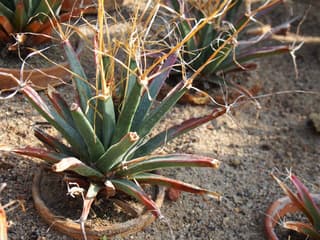
Agave Cactus
Leuchtenbergia principis
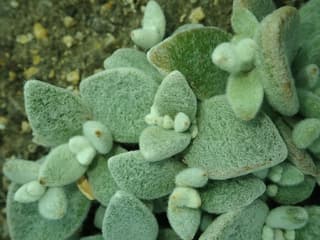
Snow white panda plant
Kalanchoe eriophylla
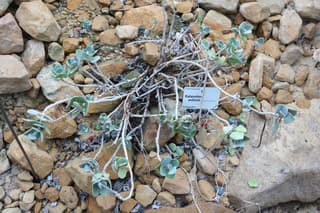
Millot Kalanchoe
Kalanchoe millotii
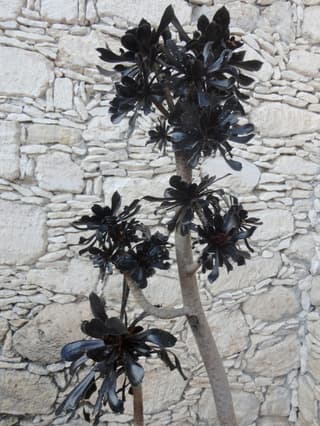
Black Rose
Aeonium 'Zwartkop'
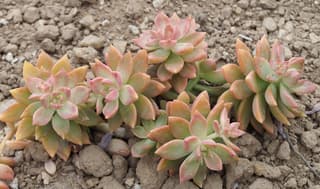
California Sunset
Graptosedum 'California Sunset'
Ideal Succulents for Dillon County's Climate
Dillon County has an average temperature of 18.3°C and humidity of 68.8%, conditions that directly influence which succulents best adapt to the local environment.
How to Grow Succulents in Dillon County
To successfully grow succulents in Dillon County, consider that the average temperature of 18.3°C and humidity of 68.8% create a specific microclimate. Moderate humidity is favorable for most species in this category.
Advantages of Choosing Adapted Succulents
Succulents adapted to Dillon County's climate show greater resistance, healthy growth, and less need for interventions.