500 Best Pet Safe for Distrito Ciudad de Maipú | 2026 Guide - Page 6
The 500 best pet safe to grow in Distrito Ciudad de Maipú. Ideal climate: 18°C, 45% humidity.
500 Pet Safe for Distrito Ciudad de Maipú
Showing 181-216 of 500
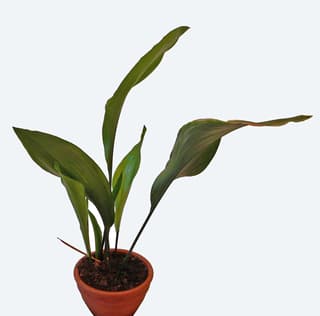
Cast Iron Plant
Aspidistra elatior
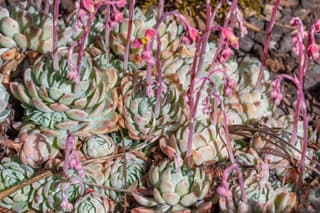
Mexican Gem
Echeveria elegans
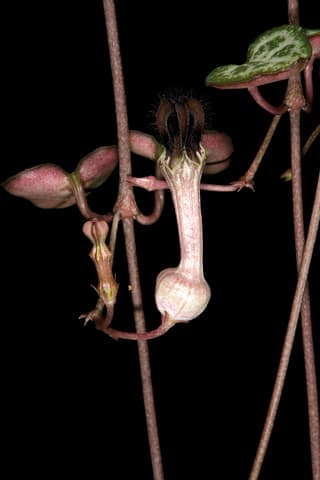
String of Hearts
Ceropegia woodii
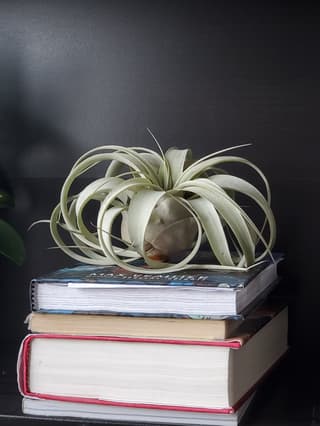
King of Air Plants
Tillandsia xerographica
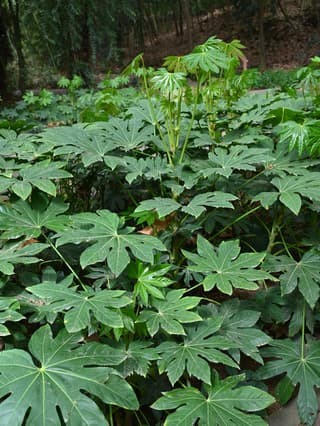
Japanese Aralia
Fatsia japonica
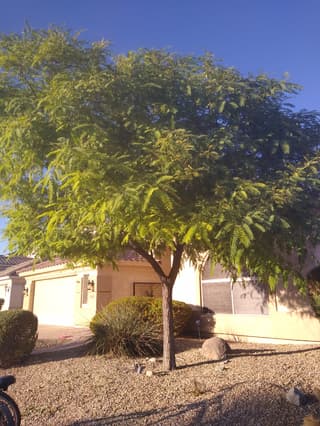
Tipu tree
Tipuana tipu
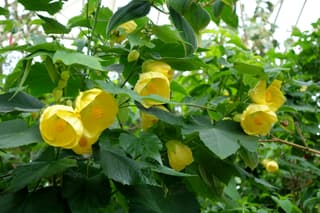
Flowering Maple
Abutilon hybridum
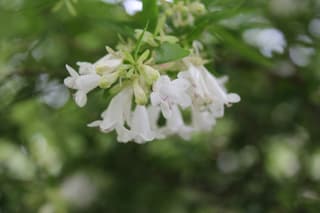
Glossy Abelia
Abelia x grandiflora
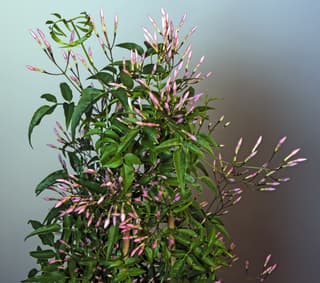
Pink Jasmine
Jasminum polyanthum
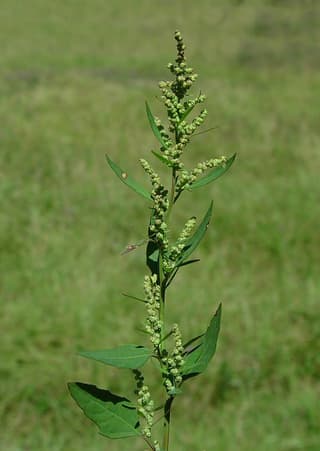
Goosefoot
Chenopodium
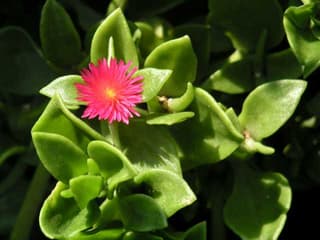
Baby Sun Rose
Aptenia cordifolia
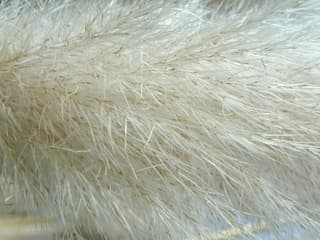
Pampas Grass
Cortaderia selloana
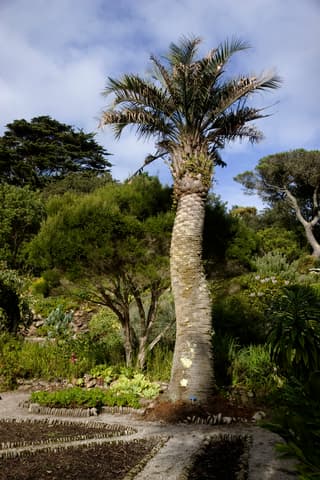
Pindo Palm
Butia capitata
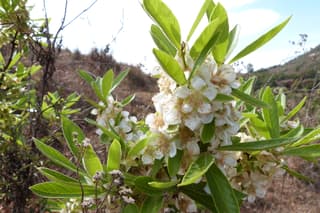
Guabiroba
Campomanesia pubescens
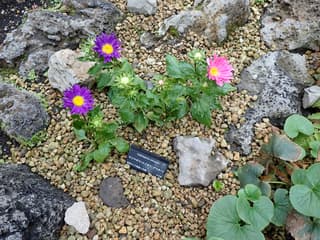
China Aster
Callistephus chinensis
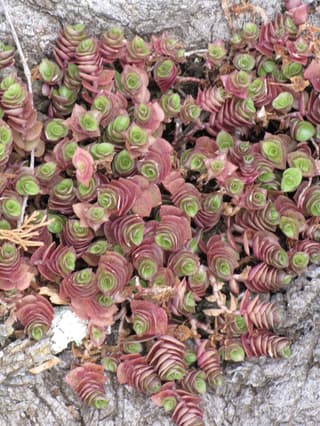
Turtle Vine
Callisia repens
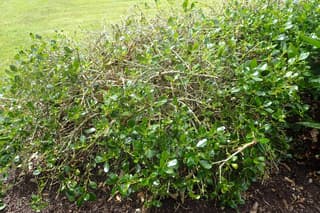
Mirror Plant
Coprosma repens
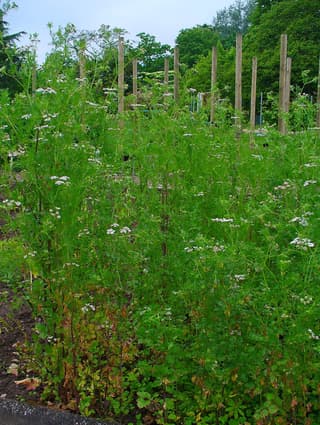
Coriander
Coriandrum sativum
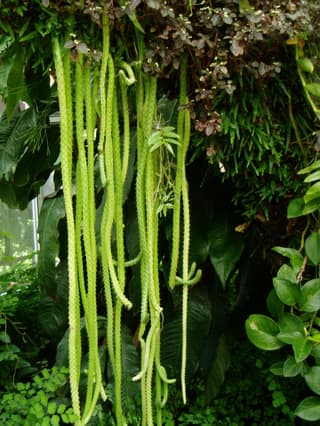
Rat Tail Cactus
Disocactus flagelliformis
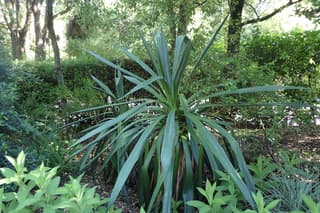
Mauritius Hemp
Furcraea foetida
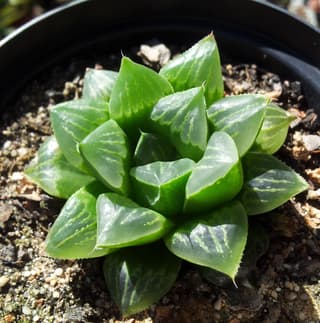
Star Cactus
Haworthia retusa
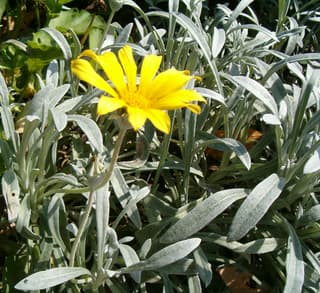
Treasure Flower
Gazania rigens
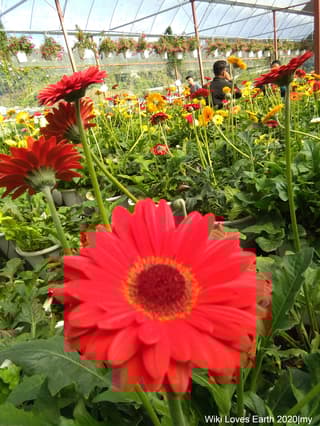
Gerbera Daisy
Gerbera hybrida
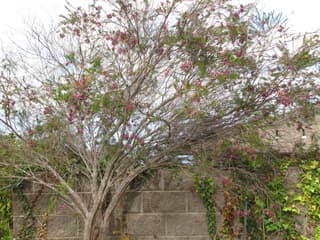
Geraldton Waxflower
Chamelaucium uncinatum
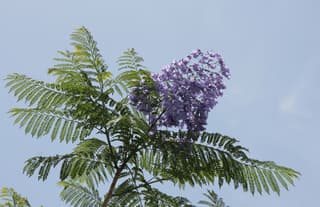
Blue Jacaranda
Jacaranda mimosaefolia
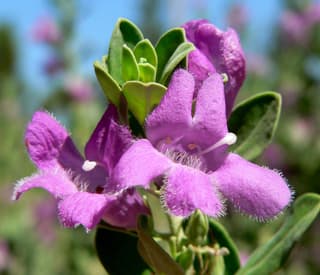
Texas Sage
Leucophyllum frutescens
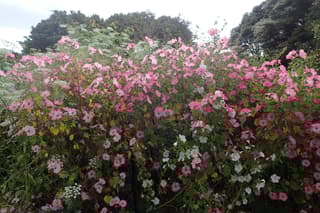
Rose Mallow
Lavatera trimestris
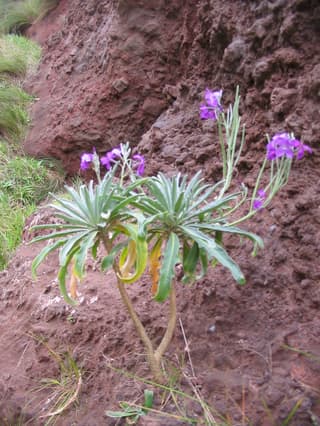
Stock Flower
Matthiola incana
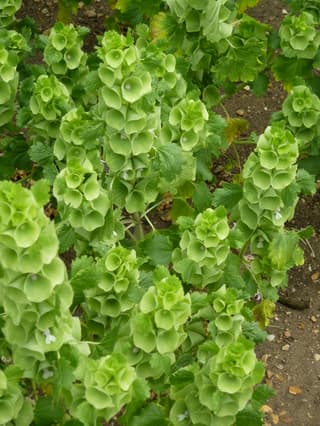
Bells of Ireland
Moluccella laevis
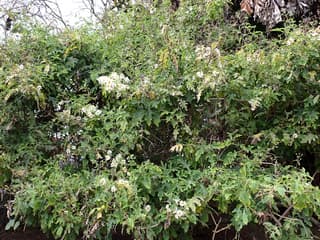
Mexican Daisy Bush
Montanoa bipinnatifida
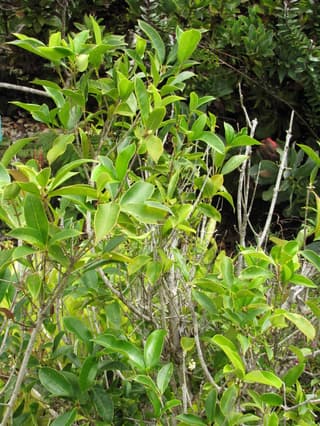
Sweet Olive
Osmanthus fragrans
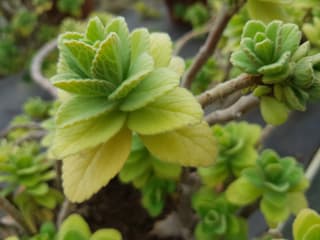
Vicks Plant
Plectranthus ornatus

Common Blanketflower
Gaillardia aristata
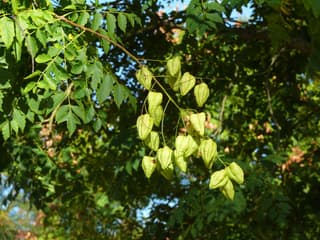
Golden Rain Tree
Koelreuteria paniculata
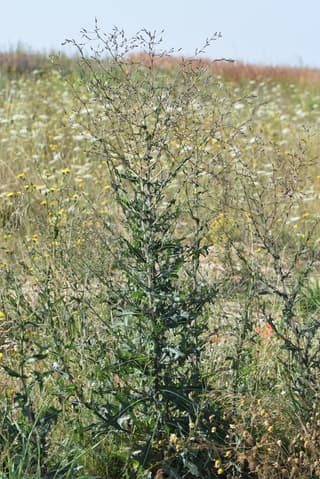
Prickly Lettuce
Lactuca serriola
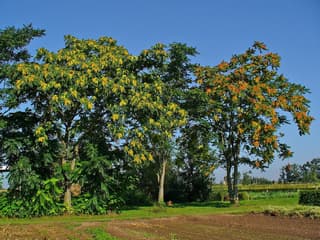
Tree of Heaven
Ailanthus
Ideal Pet Safe for Distrito Ciudad de Maipú's Climate
Distrito Ciudad de Maipú has an average temperature of 18°C and humidity of 45%, conditions that directly influence which pet safe best adapt to the local environment.
How to Grow Pet Safe in Distrito Ciudad de Maipú
To successfully grow pet safe in Distrito Ciudad de Maipú, consider that the average temperature of 18°C and humidity of 45% create a specific microclimate. Lower humidity requires more frequent watering and use of drip trays.
Advantages of Choosing Adapted Pet Safe
Pet Safe adapted to Distrito Ciudad de Maipú's climate show greater resistance, healthy growth, and less need for interventions.