500 Best Easy Care for Flores da Cunha | 2026 Guide - Page 8
The 500 best easy care to grow in Flores da Cunha. Ideal climate: 16.5°C, 81.7% humidity.
500 Easy Care for Flores da Cunha
Showing 253-288 of 500
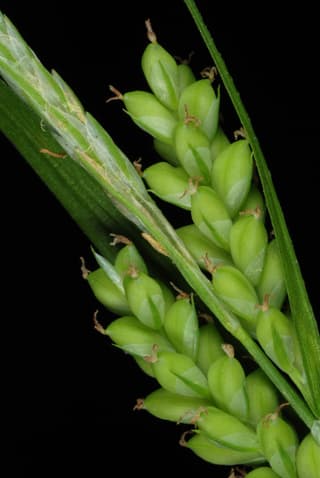
Eastern Woodland Sedge
Carex blanda
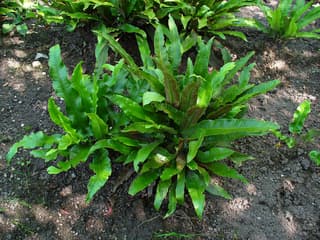
Hart's-tongue Fern
Asplenium scolopendrium
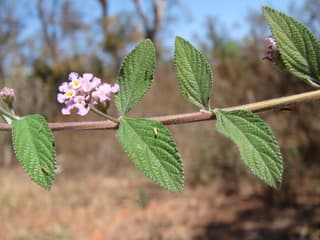
Bushy Lippia
Lippia alba
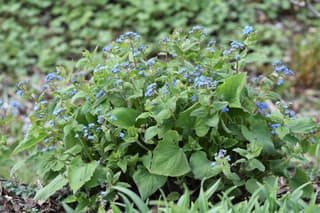
Siberian Bugloss
Brunnera macrophylla
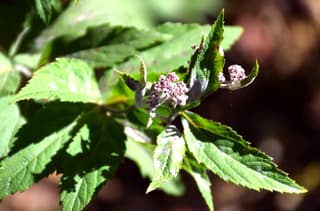
Willowleaf Spiraea
Spiraea salicifolia
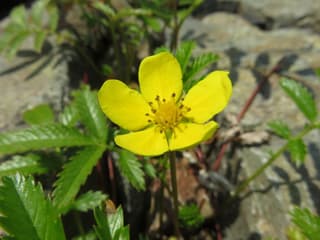
Silverweed
Argentina anserina
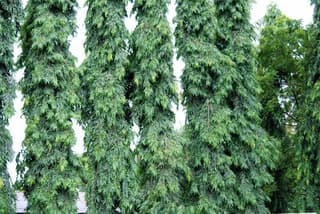
Mast Tree
Polyalthia longifolia

Busy Lizzie
Impatiens walleriana

Mandarin Plant
Chlorophytum orchidastrum
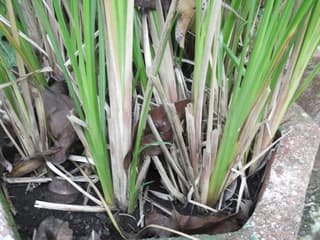
Vetiver
Chrysopogon zizanioides
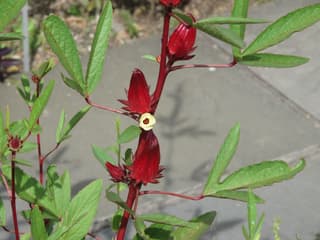
Roselle
Hibiscus sabdariffa
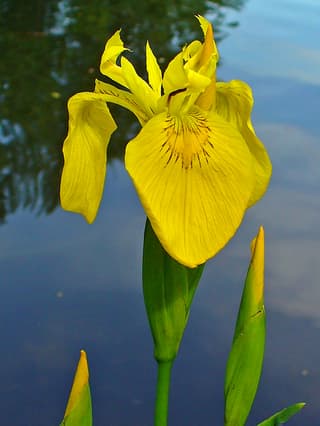
Yellow Flag Iris
Iris pseudacorus
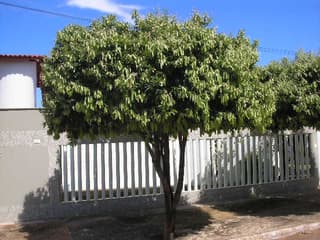
Oiti Tree
Licania tomentosa
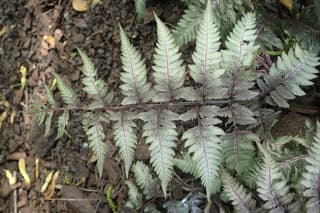
Japanese Painted Fern
Athyrium niponicum

Subalpine Fir
Abies lasiocarpa
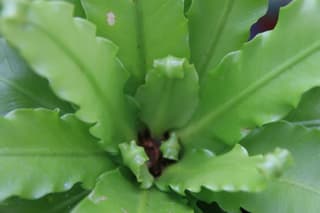
Japanese Bird's Nest Fern
Asplenium antiquum
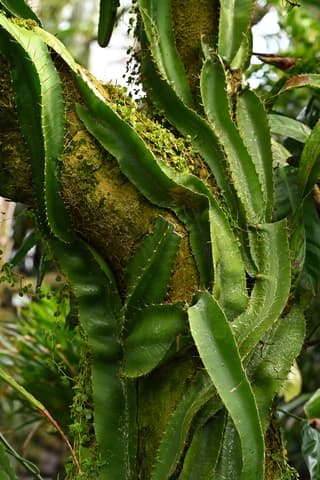
Climbing Cactus
Epiphyllum phyllanthus

Peace Lily
Spathiphyllum wallisii
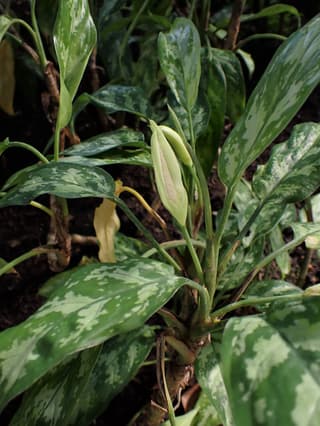
Chinese Evergreen
Aglaonema commutatum
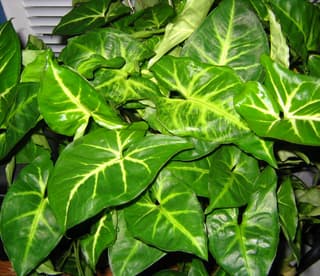
Arrowhead Plant
Syngonium podophyllum
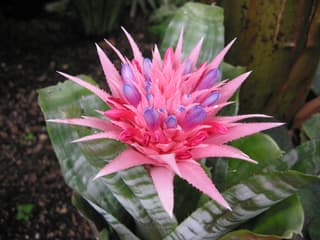
Urn Plant
Aechmea fasciata
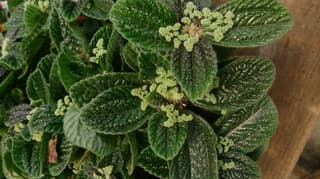
Friendship Plant
Pilea involucrata
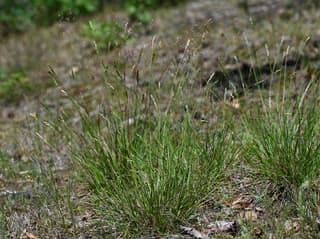
Heath-grass
Danthonia decumbens
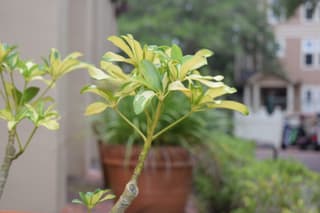
Umbrella Tree
Heptapleurum

Okra
Abelmoschus esculentus

Macarthur Palm
Ptychosperma macarthurii
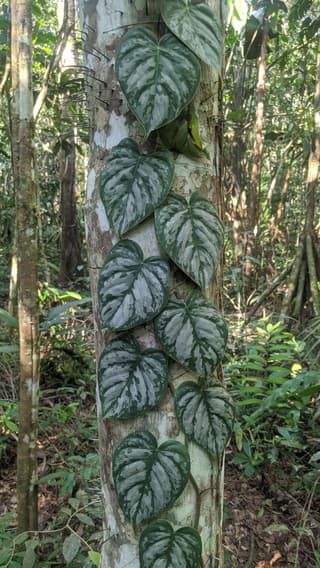
Silver Leaf Philodendron
Philodendron brandtianum
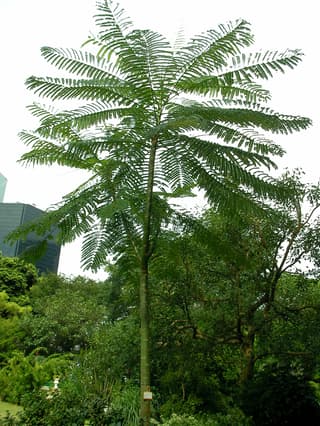
Brazilian Firetree
Schizolobium parahyba
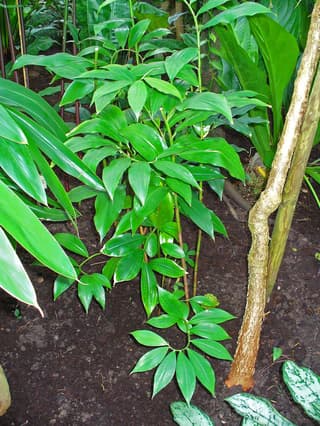
Crepe Ginger
Hellenia speciosa
Sensitive Plant
Mimosa pudica

Camphor Weed
Pluchea
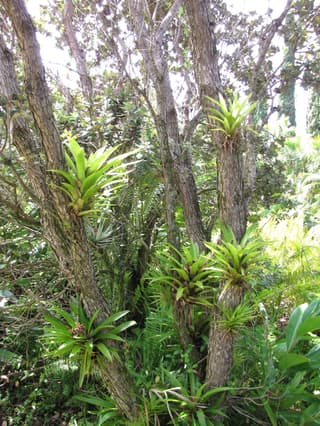
West Indian Tufted Airplant
Guzmania monostachia
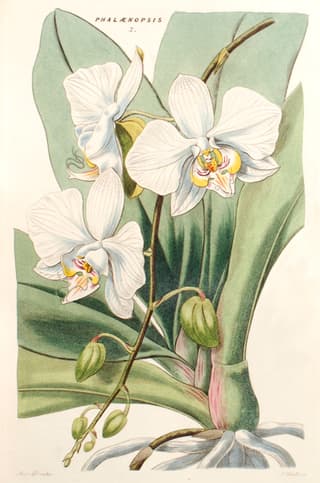
Moon Orchid
Phalaenopsis amabilis
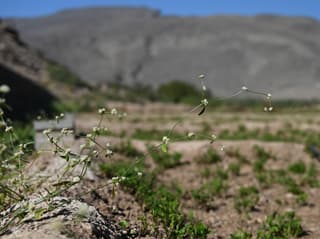
Calico Plant
Alternanthera bettzickiana
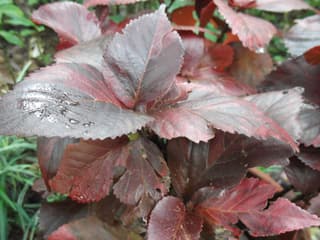
Jacob's Coat
Acalypha wilkesiana
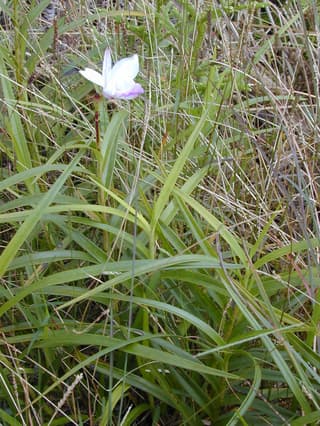
Bamboo Orchid
Arundina graminifolia
Ideal Easy Care for Flores da Cunha's Climate
Flores da Cunha has an average temperature of 16.5°C and humidity of 81.7%, conditions that directly influence which easy care best adapt to the local environment.
How to Grow Easy Care in Flores da Cunha
To successfully grow easy care in Flores da Cunha, consider that the average temperature of 16.5°C and humidity of 81.7% create a specific microclimate. High humidity favors tropical species, but requires attention to ventilation to prevent fungal issues.
Advantages of Choosing Adapted Easy Care
Easy Care adapted to Flores da Cunha's climate show greater resistance, healthy growth, and less need for interventions.