500 Best Easy Care for Forsyth County | 2026 Guide - Page 13
The 500 best easy care to grow in Forsyth County. Ideal climate: 16.5°C, 71.7% humidity.
500 Easy Care for Forsyth County
Showing 433-468 of 500
Speedwell
Veronica
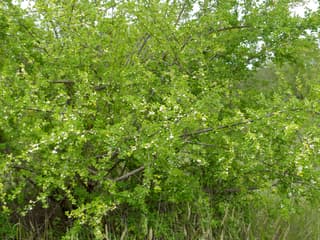
White-Berry Bush
Flueggea virosa
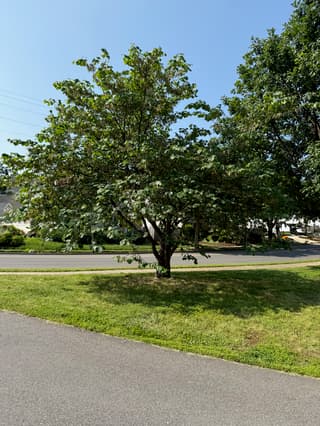
Eastern Redbud
Cercis canadensis
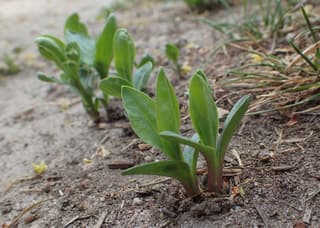
Soapwort
Saponaria officinalis
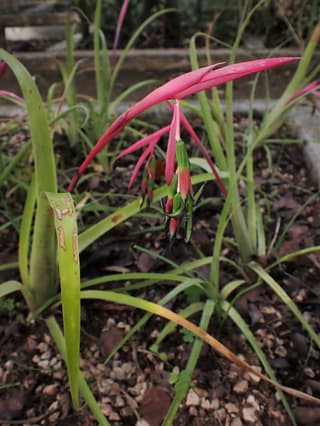
Queen's Tears
Billbergia nutans
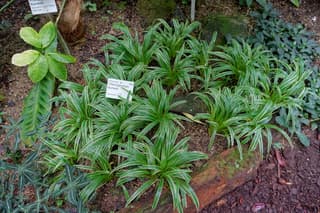
Zebra Grass Spider Plant
Chlorophytum laxum
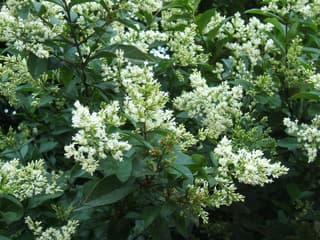
California Privet
Ligustrum ovalifolium
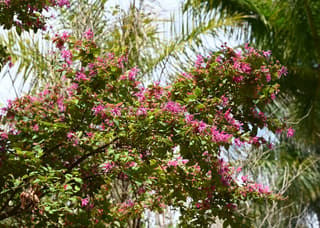
Chinese Fringe Flower
Loropetalum chinense
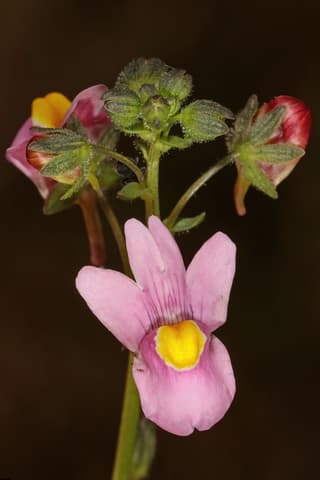
Mauve Nemesia
Nemesia fruticans
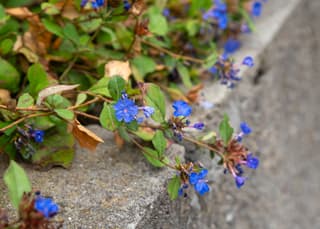
Hardy Plumbago
Ceratostigma plumbaginoides
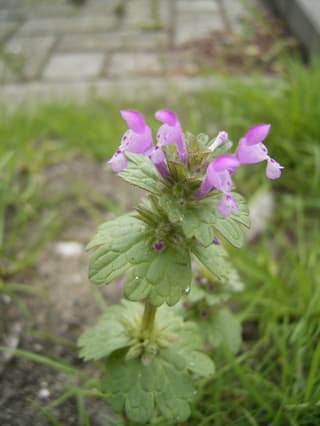
Henbit Dead-nettle
Lamium amplexicaule
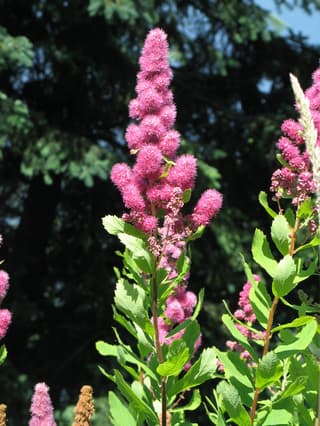
Douglas Spirea
Spiraea douglasii
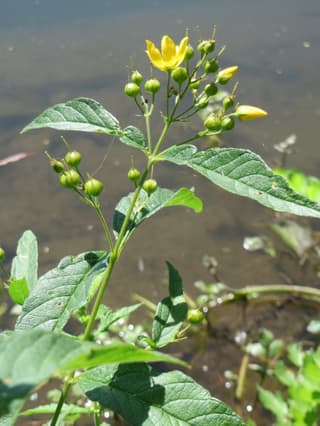
Loosestrife
Lysimachia
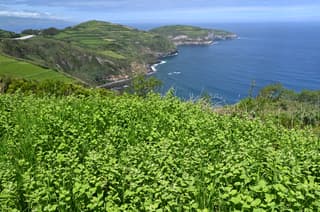
Pineapple Mint
Mentha suaveolens
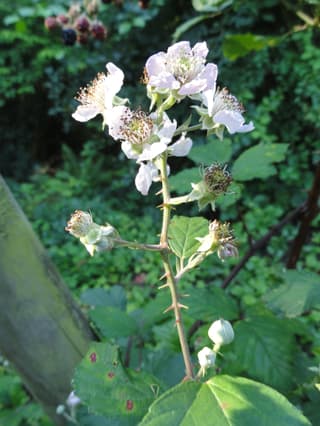
Himalayan Blackberry
Rubus bifrons
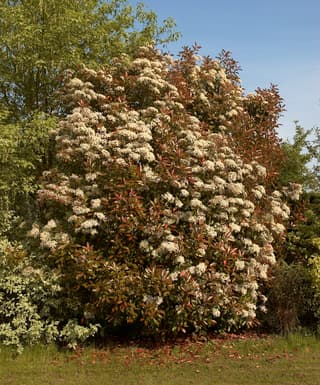
Red Tip Photinia
Photinia × fraseri
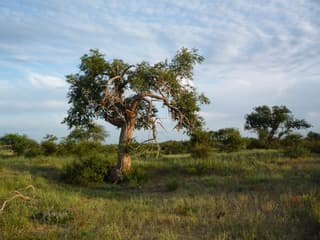
Siberian Elm
Ulmus pumila
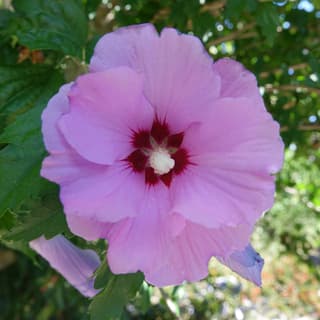
Rose of Sharon
Hibiscus syriacus
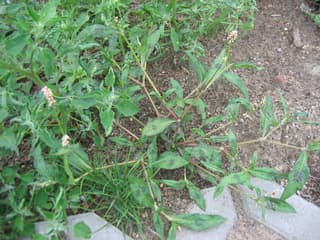
Lady's Thumb
Persicaria maculosa
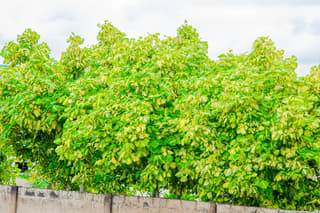
Southern Catalpa
Catalpa bignonioides

Arugula
Eruca vesicaria
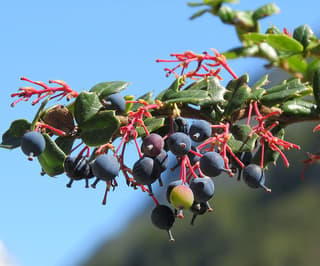
Darwin's barberry
Berberis darwinii
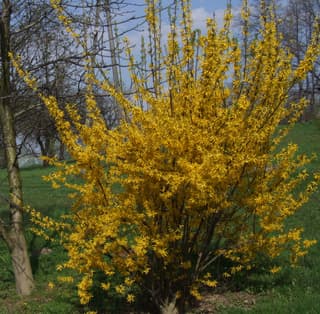
Border Forsythia
Forsythia x intermedia
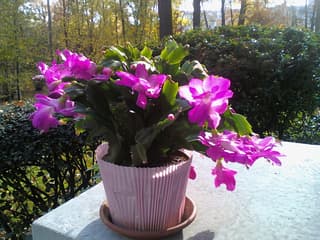
Thanksgiving Cactus
Schlumbergera truncata
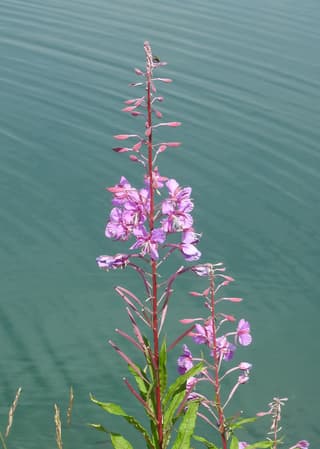
Willowherb / Fireweed (genus)
Epilobium
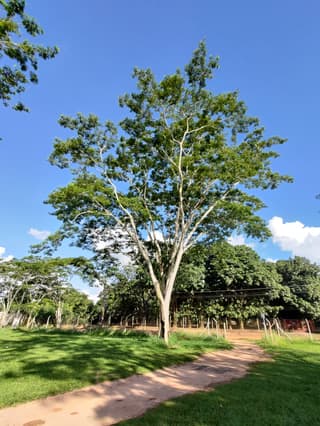
White Silk Tree
Albizia niopoides
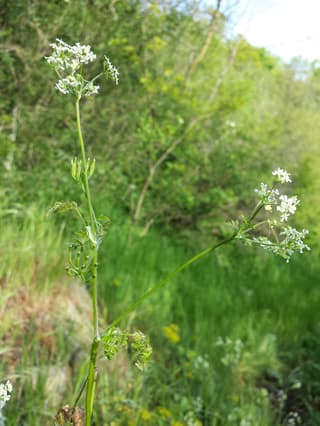
Chervil
Anthriscus cerefolium
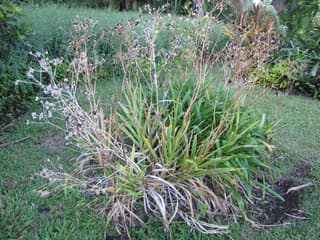
Blackberry Lily
Belamcanda chinensis
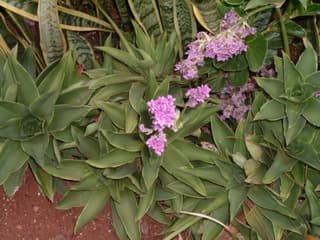
Basket Plant
Callisia warszewicziana
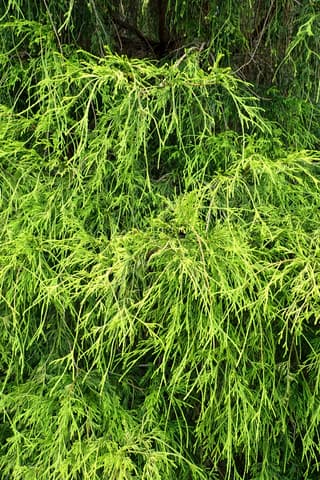
Golden Thread Cypress
Chamaecyparis pisifera filifera aurea
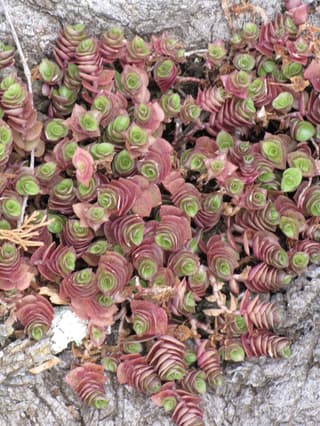
Turtle Vine
Callisia repens
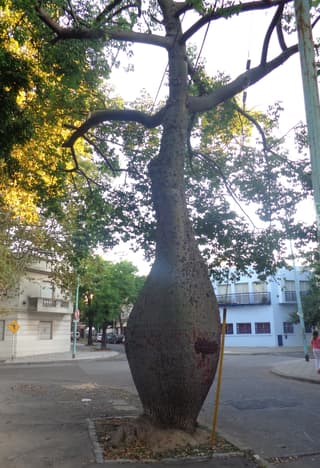
Silk Floss Tree
Ceiba speciosa
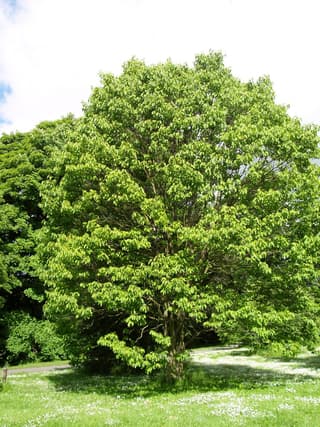
Japanese Raisin Tree
Hovenia dulcis
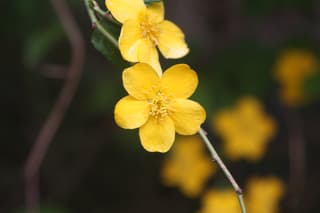
Japanese Kerria
Kerria japonica
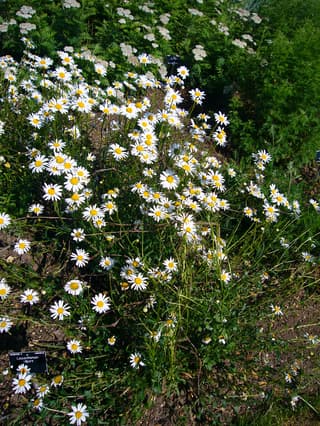
Oxeye Daisy
Leucanthemum vulgare
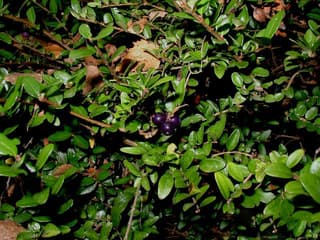
Boxleaf Honeysuckle
Lonicera nitida
Ideal Easy Care for Forsyth County's Climate
Forsyth County has an average temperature of 16.5°C and humidity of 71.7%, conditions that directly influence which easy care best adapt to the local environment.
How to Grow Easy Care in Forsyth County
To successfully grow easy care in Forsyth County, consider that the average temperature of 16.5°C and humidity of 71.7% create a specific microclimate. High humidity favors tropical species, but requires attention to ventilation to prevent fungal issues.
Advantages of Choosing Adapted Easy Care
Easy Care adapted to Forsyth County's climate show greater resistance, healthy growth, and less need for interventions.