500 Best Plants for Galapa | 2026 Guide - Page 6
Discover the 500 ideal plants for Galapa's climate. Average temp: 27.2°C, Humidity: 81.7%.
Top 500 Plants for Galapa
Showing 181-216 of 500
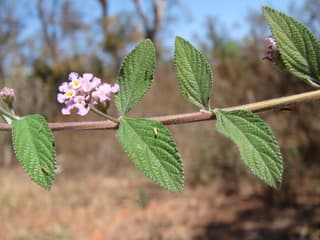
Bushy Lippia
Lippia alba
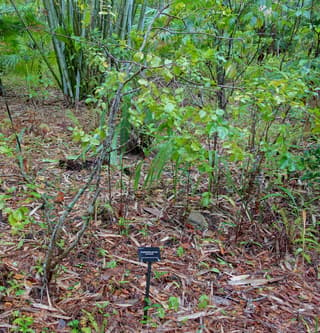
Black Ironwood
Krugiodendron ferreum
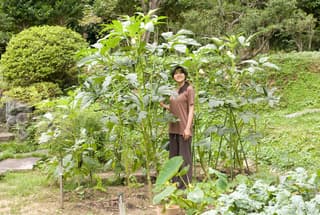
Okra
Abelmoschus esculentus
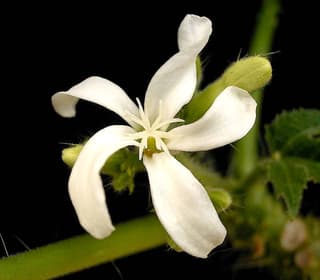
Bull Nettle
Cnidoscolus
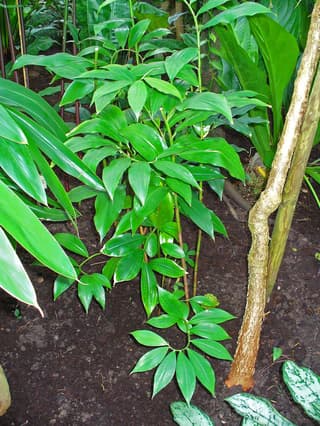
Crepe Ginger
Hellenia speciosa
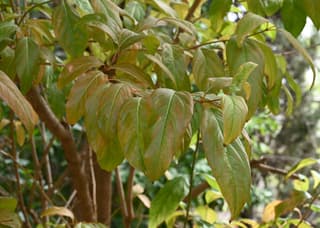
Fiddlewood
Citharexylum spinosum
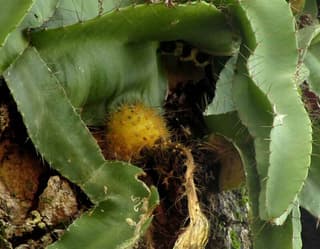
Dog-tail Cactus
Deamia testudo
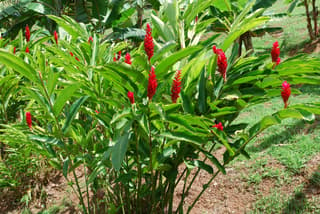
Red Ginger
Alpinia purpurata
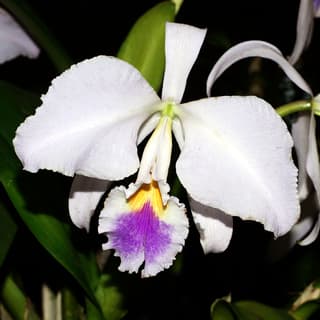
Mendel's Cattleya
Cattleya mendelii
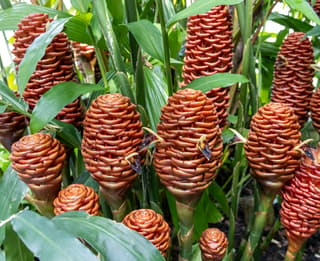
Ginger
Zingiber
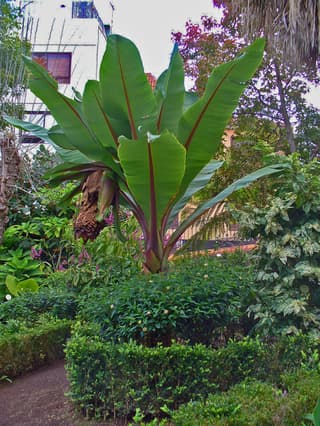
Abyssinian Banana
Ensete ventricosum
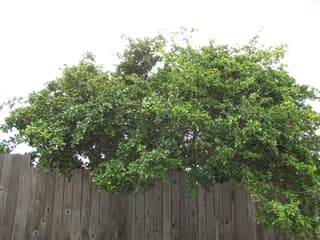
Barbados cherry
Malpighia emarginata
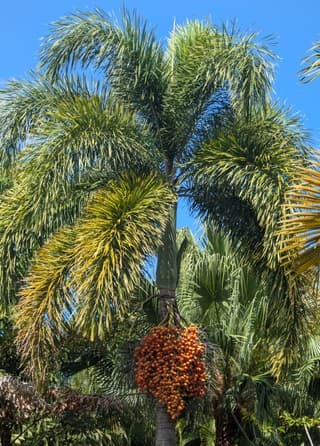
foxtail palm
Wodyetia
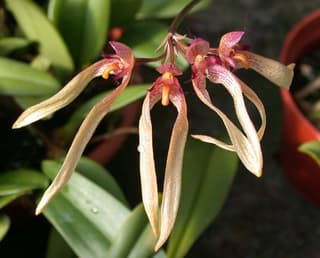
Pale Umbrella Orchid
Bulbophyllum longiflorum
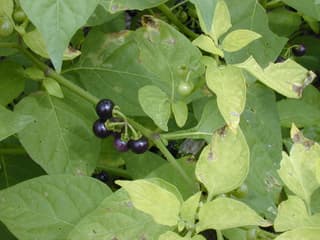
American Black Nightshade
Solanum americanum
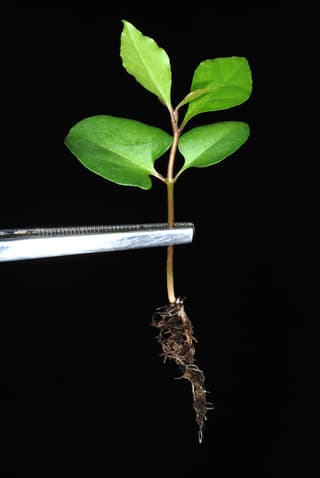
Pull-and-hold
Pisonia aculeata
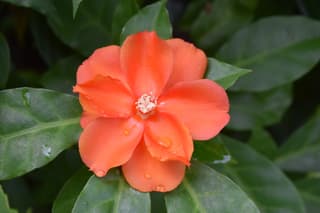
Leaf Cactus
Leuenbergeria
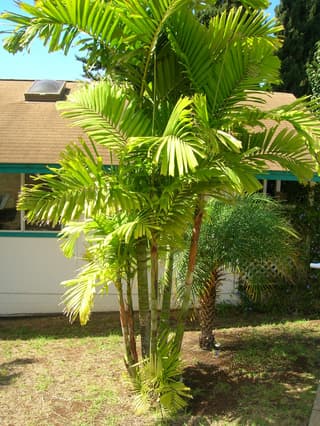
Macarthur Palm
Ptychosperma macarthurii
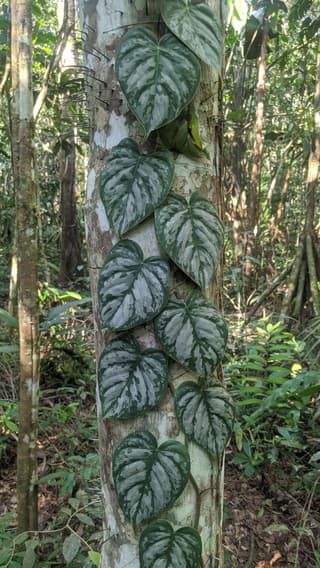
Silver Leaf Philodendron
Philodendron brandtianum
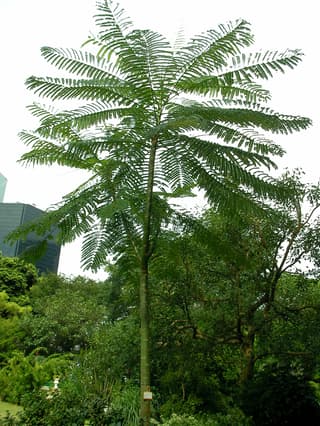
Brazilian Firetree
Schizolobium parahyba
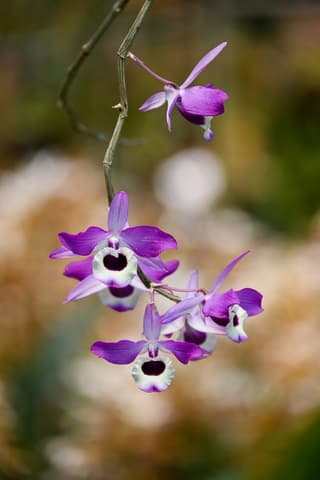
Dendrobium Orchid (genus)
Dendrobium
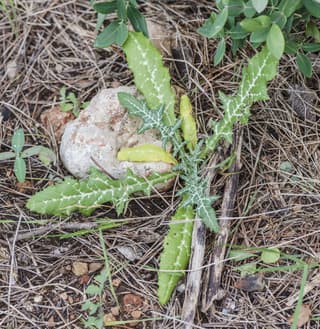
Common Sowthistle
Sonchus oleraceus
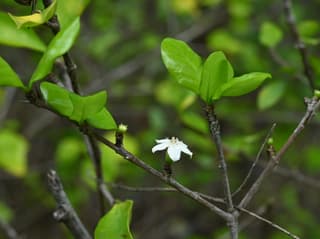
White Indigoberry
Randia aculeata
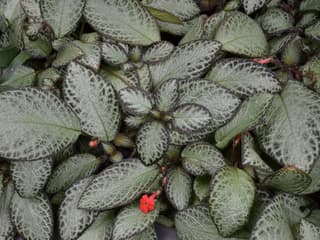
Flame Violet
Episcia reptans
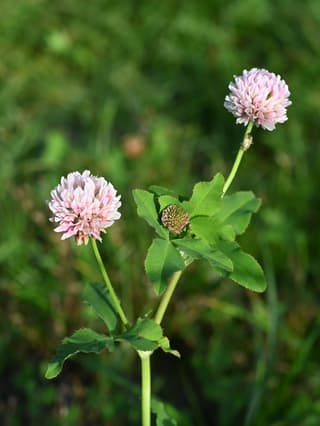
Alsike Clover
Trifolium hybridum
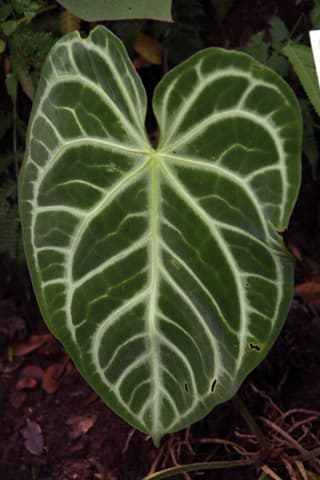
Crystal Anthurium
Anthurium crystallinum
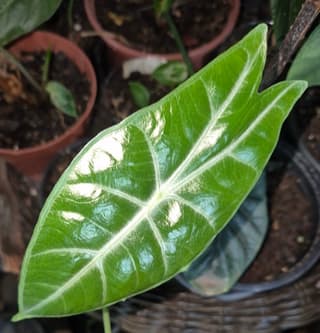
Dragon Scale Alocasia
Alocasia longiloba
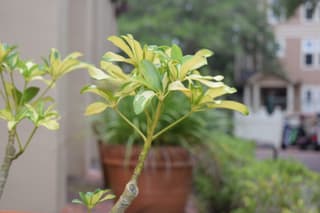
Umbrella Tree
Heptapleurum
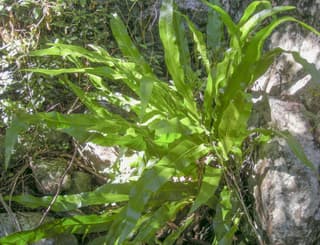
Fishtail Fern
Microsorum punctatum
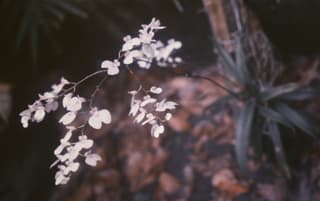
Delicate violet orchid
Ionopsis utricularioides
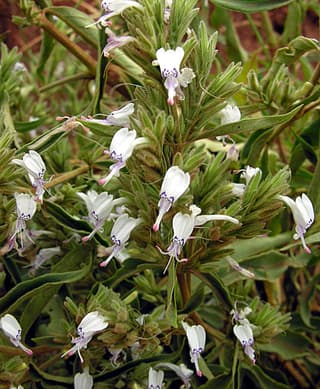
White Ribbon Bush
Hypoestes forskaolii
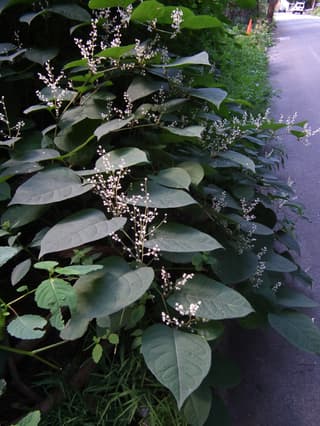
Bohemian knotweed
Reynoutria × bohemica
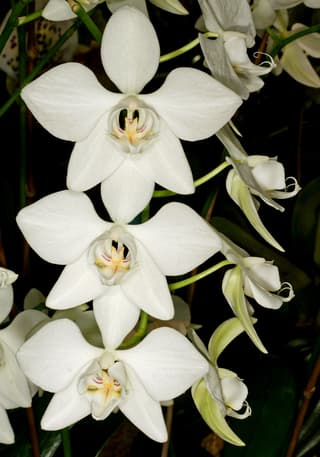
Moth Orchid
Phalaenopsis aphrodite
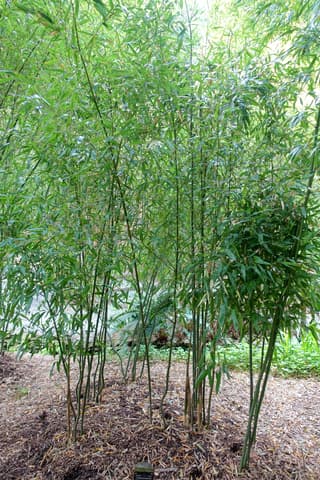
Yellow Groove Bamboo
Phyllostachys aureosulcata
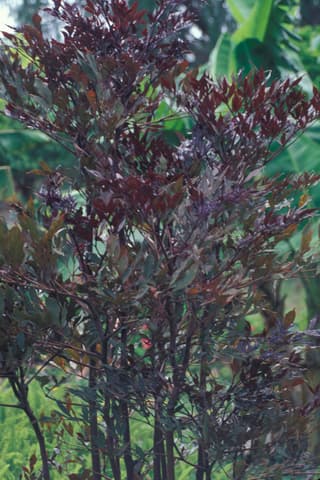
Red Leea
Leea guineensis
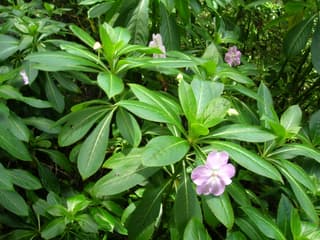
Poor Man's Rhododendron
Impatiens sodenii
Galapa Climate for Plant Growing
Galapa has a climate with an average annual temperature of 27.2°C and average relative humidity of 81.7%. These climate conditions are ideal for various species of ornamental and fruit plants.
Tips for Growing Plants in Galapa
To succeed in growing plants in Galapa, consider the average temperature of 27.2°C when choosing your species. On very hot days, protect plants from direct sun during the most intense hours. High humidity favors tropical plants, but watch for fungal issues.
Why Choose Plants Adapted to the Local Climate?
Plants adapted to Galapa's climate require less care, consume less water, and are more likely to thrive. Our selection considers the compatibility between each species' needs and local climate conditions, including temperature (27.2°C) and humidity (81.7%).