500 Best Plants for Galapa | 2026 Guide - Page 7
Discover the 500 ideal plants for Galapa's climate. Average temp: 27.2°C, Humidity: 81.7%.
Top 500 Plants for Galapa
Showing 217-252 of 500
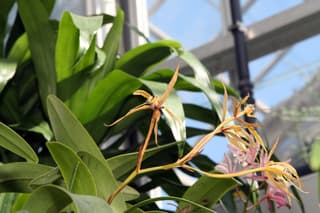
Fringed Star Orchid
Epidendrum ciliare
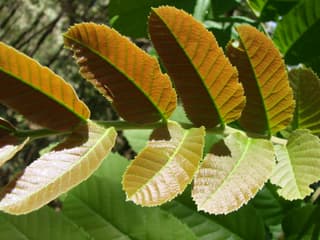
Camboata Tree
Cupania
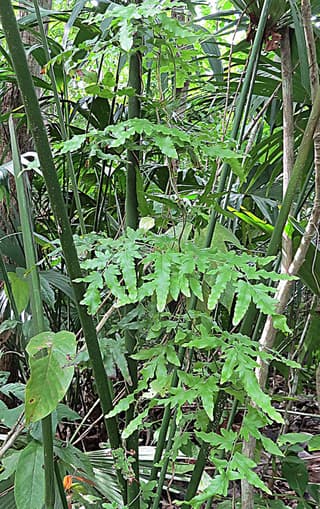
Climbing Fern
Lygodium venustum

Common Water-plantain
Alisma plantago-aquatica
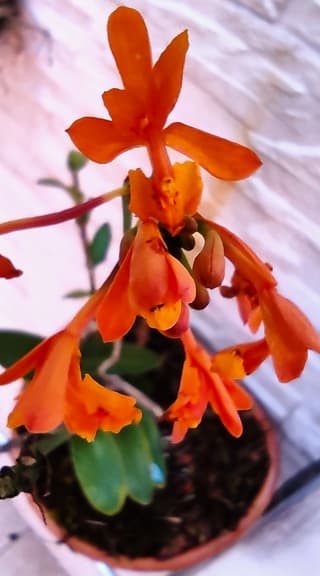
Beach Crucifix Orchid
Epidendrum fulgens
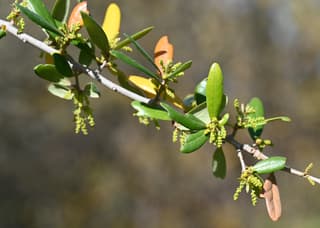
Southern Live Oak
Quercus virginiana
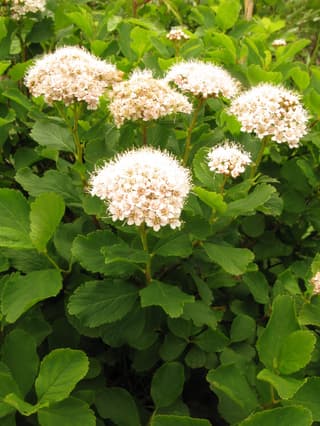
Birchleaf Spirea
Spiraea betulifolia
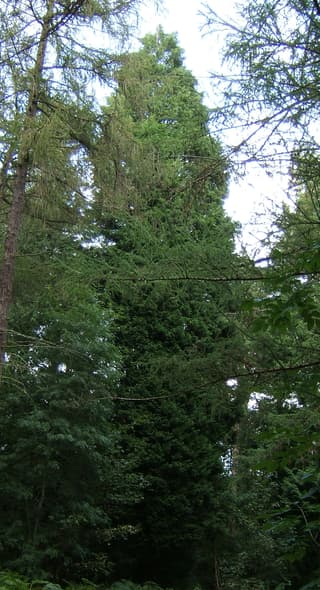
Leyland Cypress
× Hesperotropsis leylandii
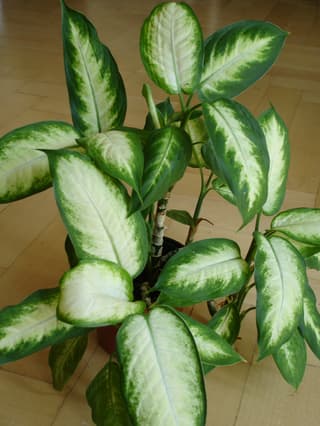
Bowmann Dumb Cane
Dieffenbachia bowmannii
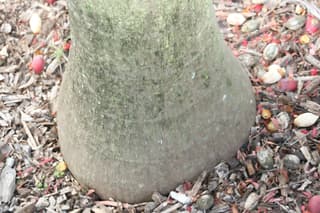
Montgomery Palm
Veitchia arecina
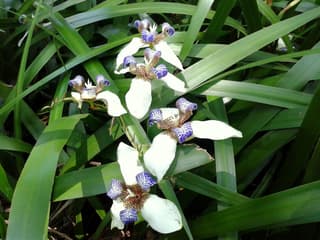
White Walking Iris
Neomarica candida
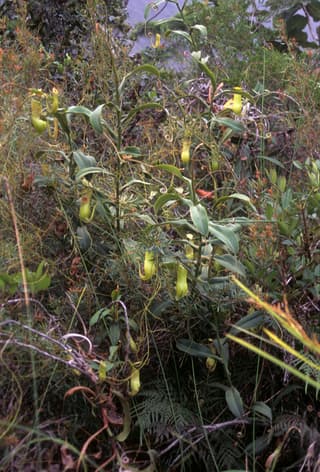
New Caledonia Pitcher Plant
Nepenthes vieillardii
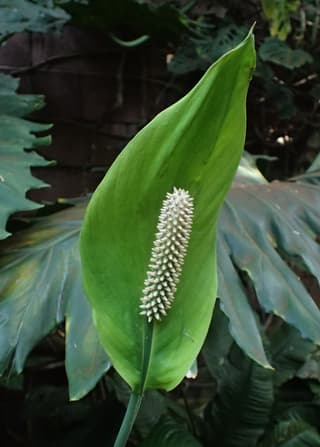
Peace Lily
Spathiphyllum blandum
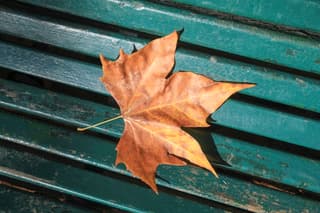
London plane
Platanus × hispanica
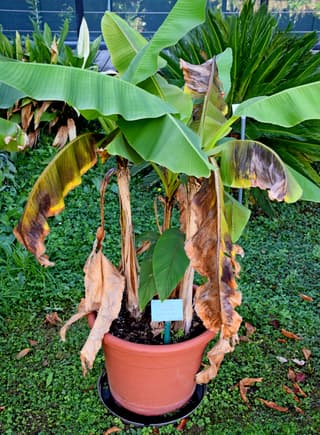
Japanese Banana
Musa basjoo
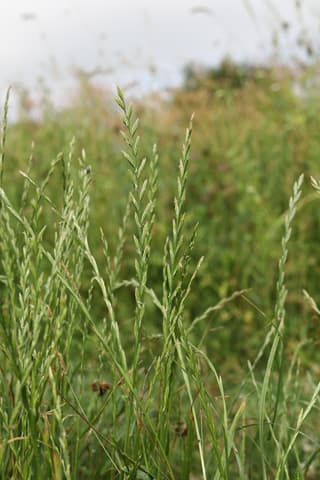
Perennial ryegrass
Lolium perenne
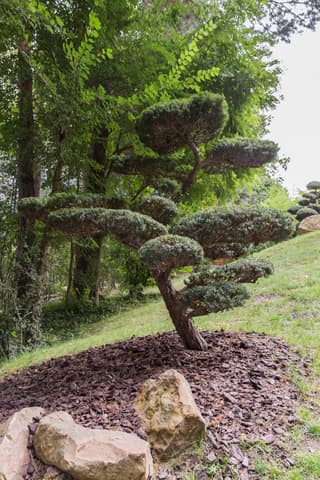
English Yew
Taxus baccata
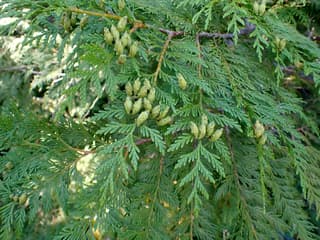
Western Red Cedar
Thuja plicata
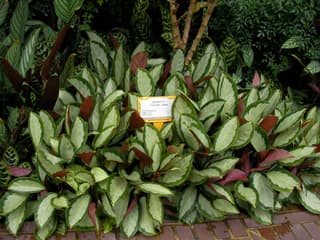
Calathea Picturata
Goeppertia picturata
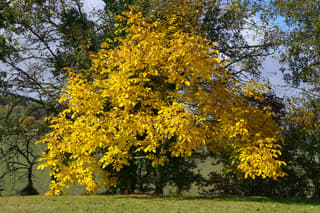
English walnut
Juglans regia
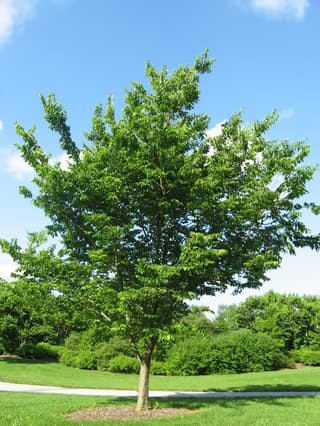
Common hackberry
Celtis occidentalis
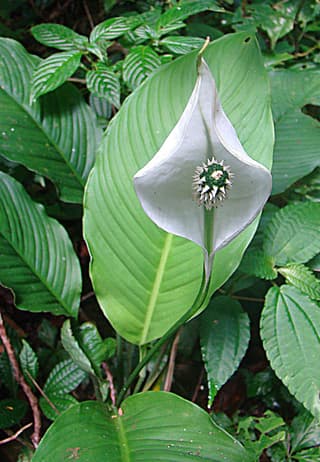
Peace Lily
Spathiphyllum wendlandii
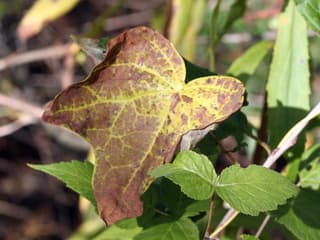
Moonseed
Menispermum canadense
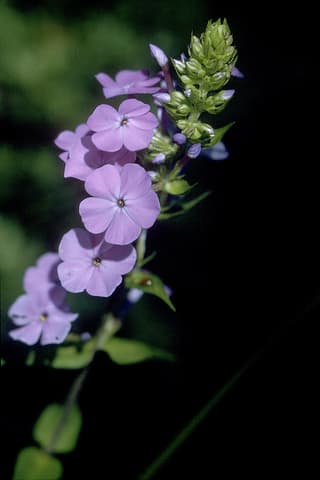
Wild Sweet William
Phlox maculata
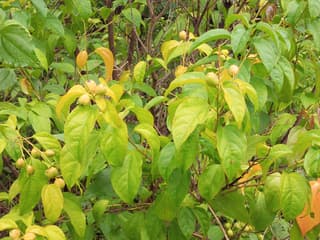
Croton
Croton
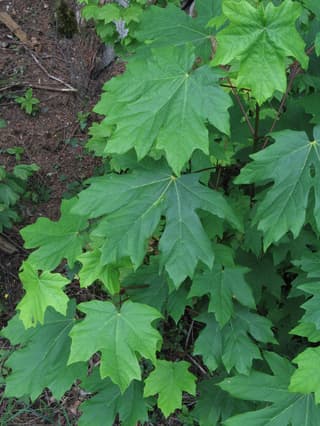
Bigleaf maple
Acer macrophyllum
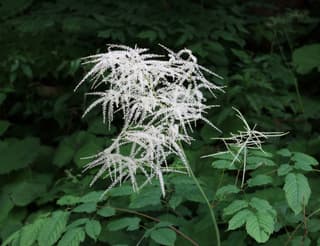
Goat's Beard
Aruncus dioicus
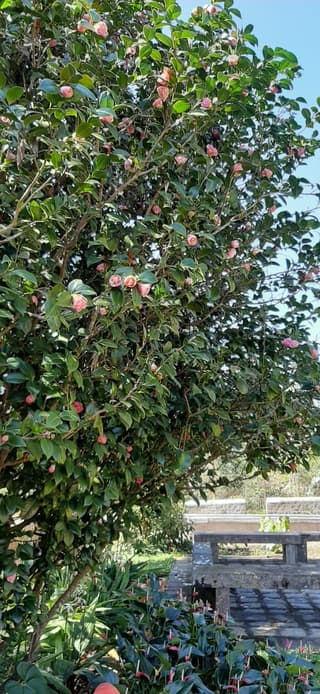
Sasanqua Camellia
Camellia sasanqua
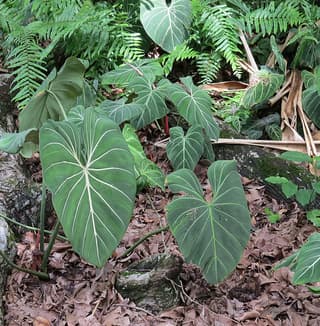
Philodendron Gloriosum
Philodendron gloriosum
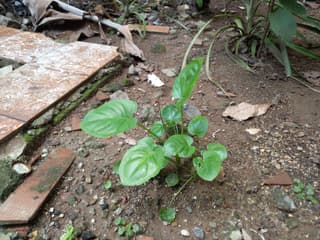
Typhonium
Typhonium
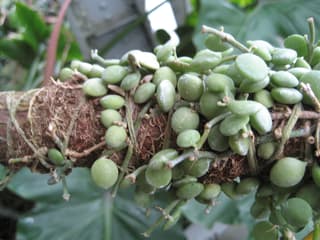
String of Nickels
Dischidia nummularia
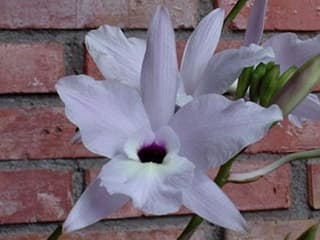
Rosy Tinted Laelia
Laelia rubescens
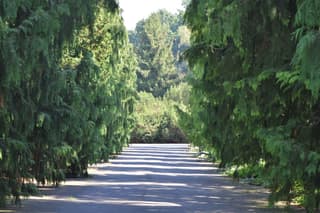
Lawson's Cypress
Chamaecyparis lawsoniana
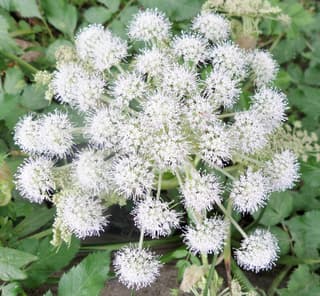
Wild Angelica
Angelica sylvestris
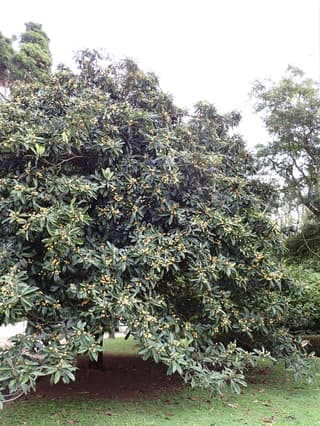
Loquat
Rhaphiolepis bibas
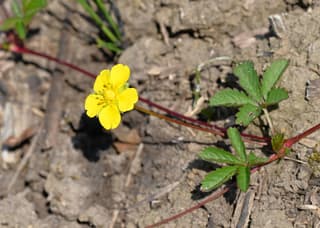
Creeping Cinquefoil
Potentilla reptans
Galapa Climate for Plant Growing
Galapa has a climate with an average annual temperature of 27.2°C and average relative humidity of 81.7%. These climate conditions are ideal for various species of ornamental and fruit plants.
Tips for Growing Plants in Galapa
To succeed in growing plants in Galapa, consider the average temperature of 27.2°C when choosing your species. On very hot days, protect plants from direct sun during the most intense hours. High humidity favors tropical plants, but watch for fungal issues.
Why Choose Plants Adapted to the Local Climate?
Plants adapted to Galapa's climate require less care, consume less water, and are more likely to thrive. Our selection considers the compatibility between each species' needs and local climate conditions, including temperature (27.2°C) and humidity (81.7%).