500 Best Plants for Itapema | 2026 Guide - Page 13
Discover the 500 ideal plants for Itapema's climate. Average temp: 21.2°C, Humidity: 84.9%.
Top 500 Plants for Itapema
Showing 433-468 of 500
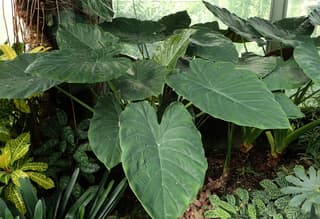
New Guinea Shield
Alocasia wentii
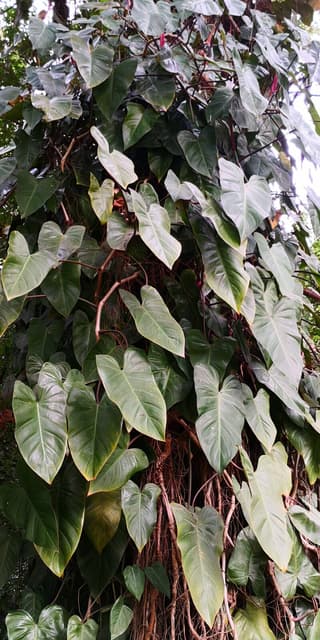
Imperial Green Philodendron
Philodendron 'Imperial Green'
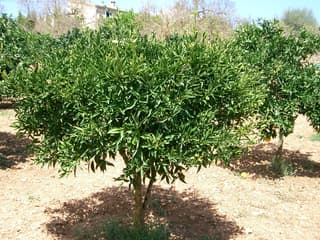
Willowleaf Mandarin
Citrus × aurantium f. deliciosa
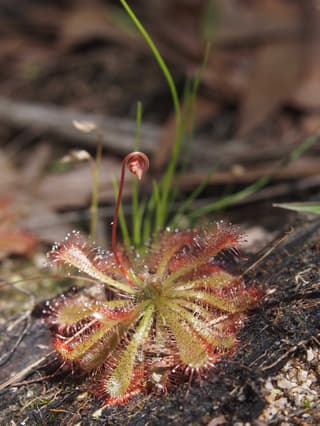
Spoon-leaved sundew
Drosera spatulata
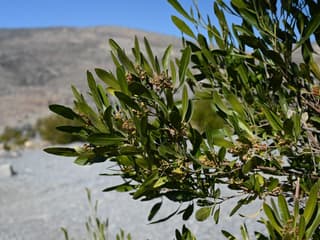
Hop bush
Dodonaea viscosa
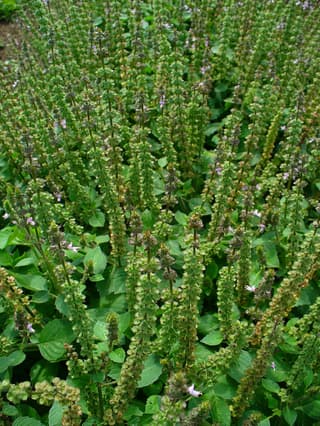
Hoary Basil
Ocimum americanum
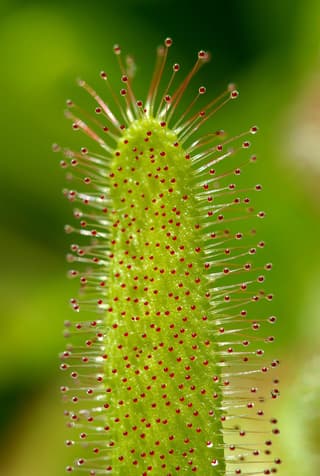
Cape Sundew
Drosera capensis
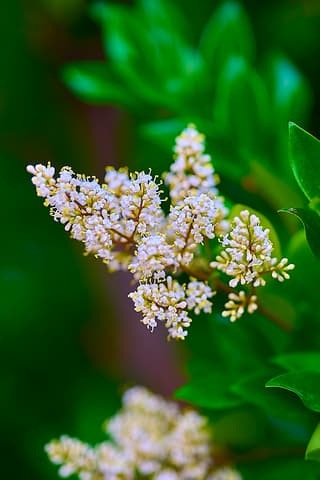
Privet
Ligustrum
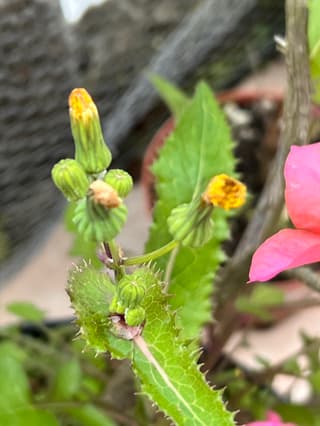
Sow Thistle
Sonchus
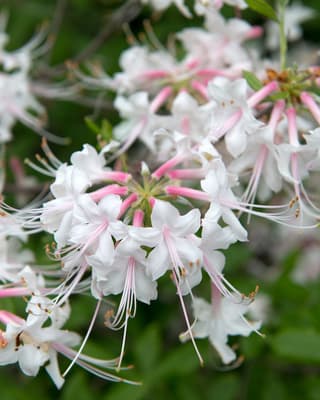
Alabama azalea
Rhododendron alabamense
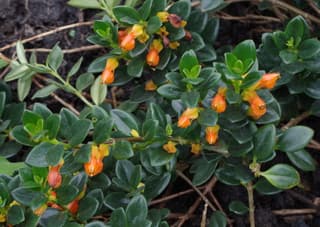
Goldfish Plant
Nematanthus gregarius
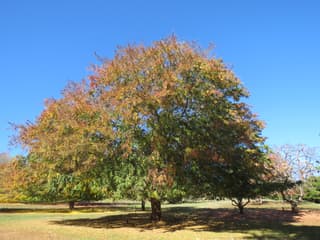
Chinese Elm
Ulmus parvifolia
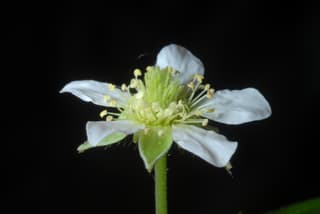
White Avens
Geum canadense
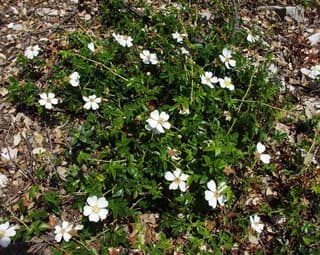
Evergreen Rose
Rosa sempervirens
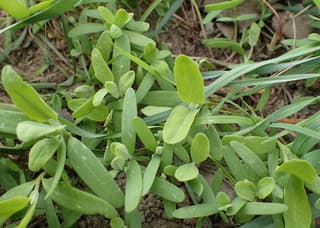
Common Orache
Atriplex patula
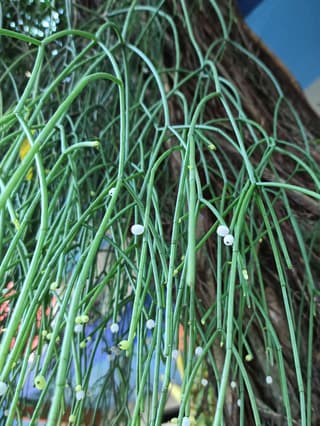
Mistletoe Cactus
Rhipsalis
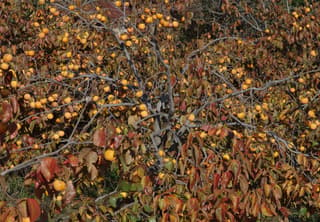
Japanese Persimmon
Diospyros kaki
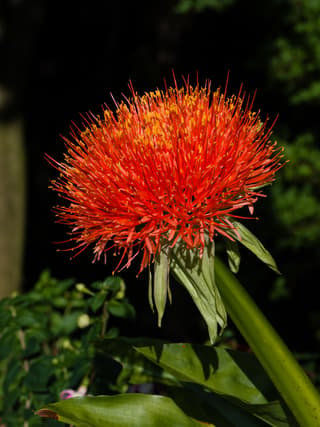
Blood Lily
Scadoxus multiflorus
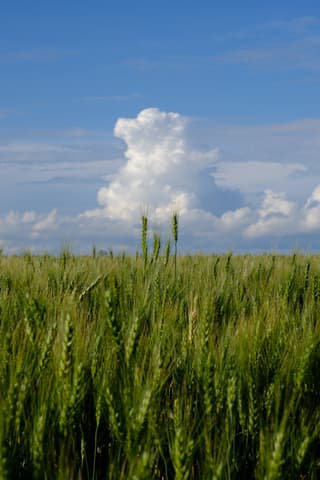
Common wheat
Triticum aestivum
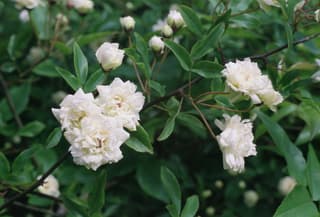
Lady Banks' Rose
Rosa banksiae
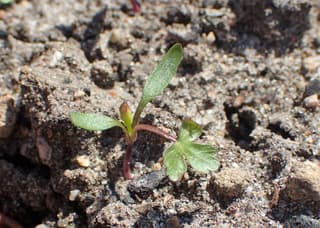
Fool's Parsley
Aethusa cynapium
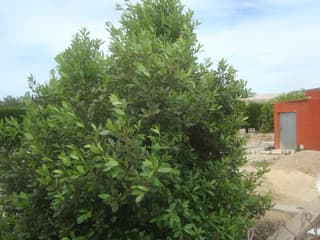
Bay Laurel
Laurus nobilis
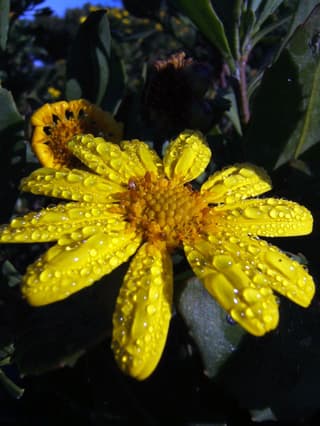
Bietou
Osteospermum moniliferum
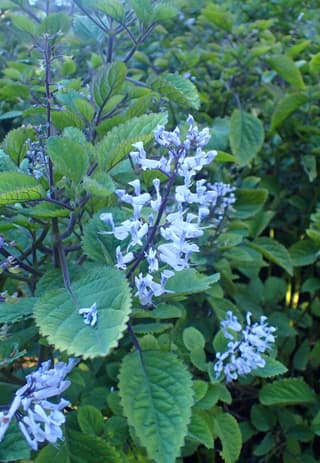
Speckled Spur-Flower
Plectranthus ciliatus
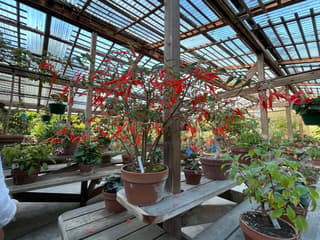
Bolivian begonia
Begonia boliviensis
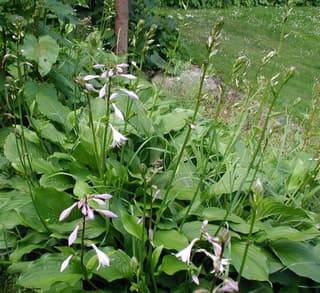
Fortune's Hosta
Hosta fortunei
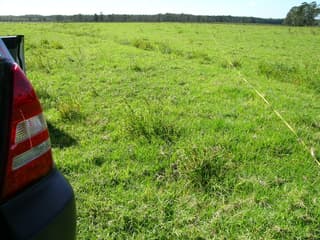
Kikuyu Grass
Cenchrus clandestinus
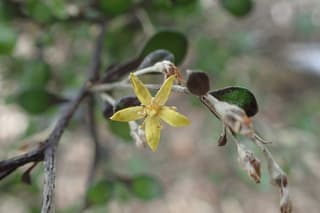
Wire-netting Bush
Corokia cotoneaster
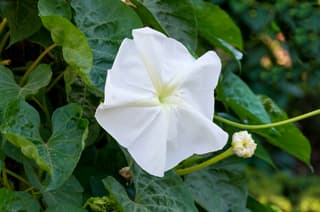
Moonflower
Ipomoea alba
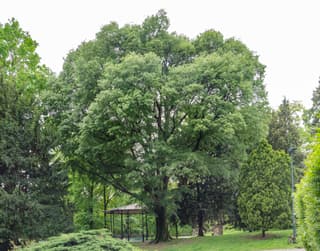
European Nettle Tree
Celtis australis
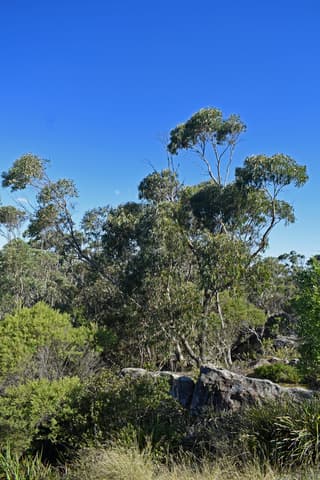
Tasmanian Blue Gum
Eucalyptus globulus
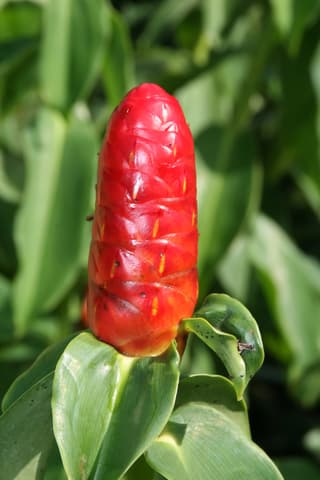
Red Button Ginger
Costus woodsonii
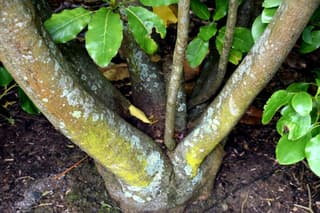
Puka
Meryta
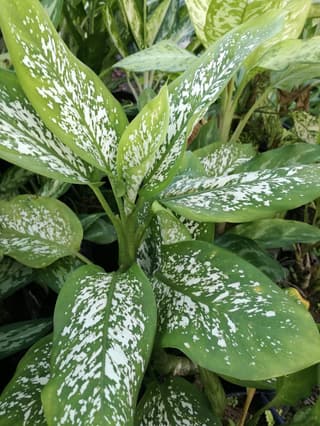
Spotted Dumb Cane
Dieffenbachia picta
Madagascar Jasmine
Stephanotis floribunda
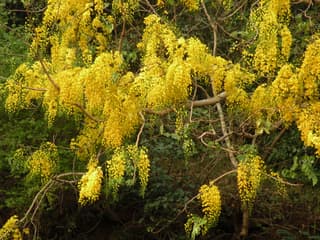
Golden shower tree
Cassia fistula
Itapema Climate for Plant Growing
Itapema has a climate with an average annual temperature of 21.2°C and average relative humidity of 84.9%. These climate conditions are ideal for various species of ornamental and fruit plants.
Tips for Growing Plants in Itapema
To succeed in growing plants in Itapema, consider the average temperature of 21.2°C when choosing your species. The temperate climate allows you to grow a wide variety of species. High humidity favors tropical plants, but watch for fungal issues.
Why Choose Plants Adapted to the Local Climate?
Plants adapted to Itapema's climate require less care, consume less water, and are more likely to thrive. Our selection considers the compatibility between each species' needs and local climate conditions, including temperature (21.2°C) and humidity (84.9%).