500 Best Pet Safe for Lamar County | 2026 Guide - Page 14
The 500 best pet safe to grow in Lamar County. Ideal climate: 20.4°C, 70.4% humidity.
500 Pet Safe for Lamar County
Showing 469-500 of 500
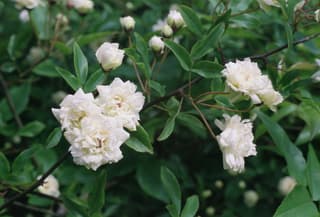
Lady Banks' Rose
Rosa banksiae
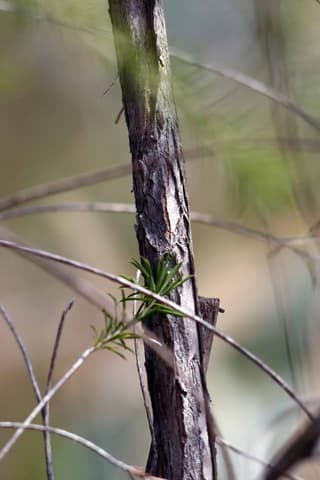
Bracelet Honey Myrtle
Melaleuca armillaris
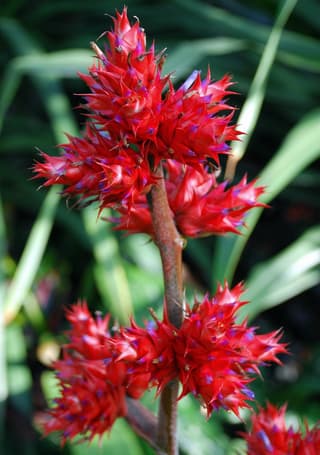
Hohenbergia
Hohenbergia
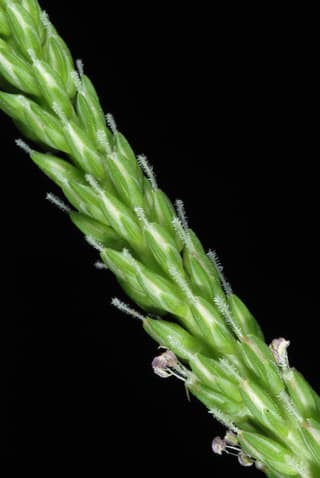
Blackseed Plantain
Plantago rugelii
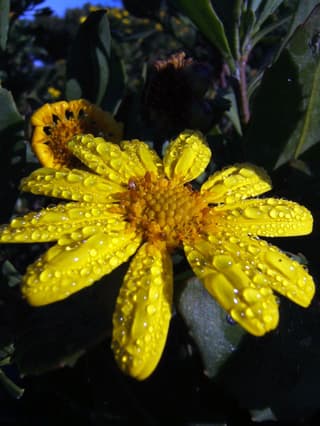
Bietou
Osteospermum moniliferum
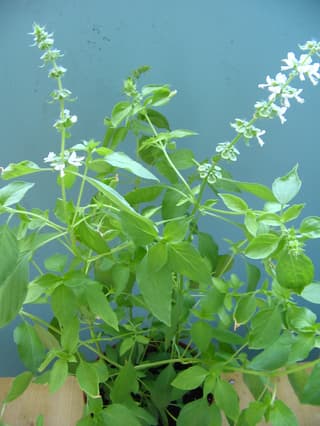
Lemon Basil
Ocimum × citriodorum
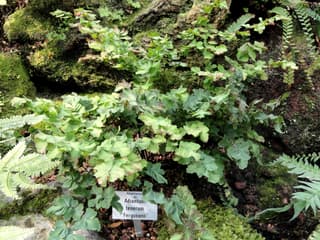
Fan Maidenhair Fern
Adiantum tenerum
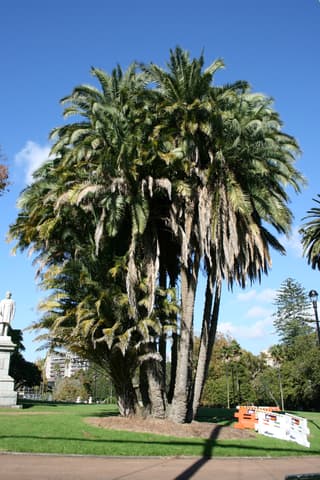
Senegal Date Palm
Phoenix reclinata
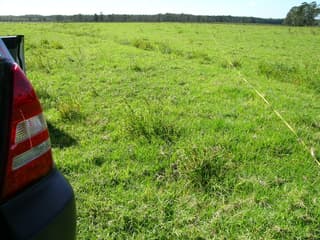
Kikuyu Grass
Cenchrus clandestinus
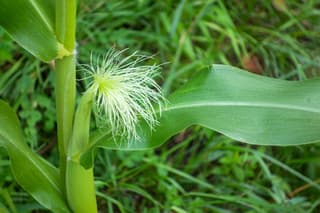
Corn / Maize
Zea
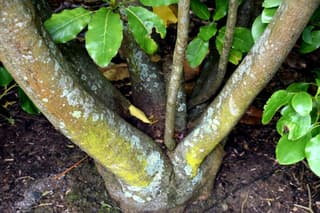
Puka
Meryta
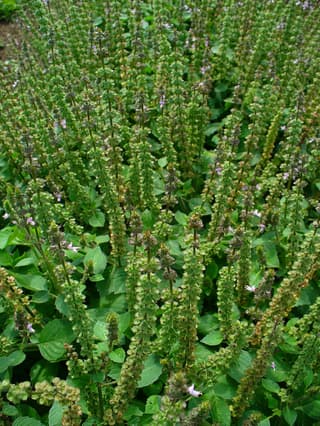
Hoary Basil
Ocimum americanum
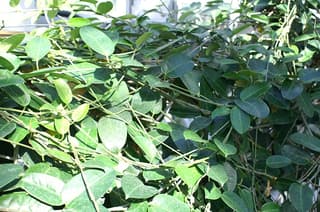
Madagascar Jasmine
Stephanotis floribunda
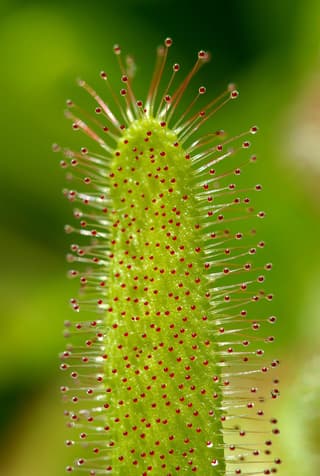
Cape Sundew
Drosera capensis
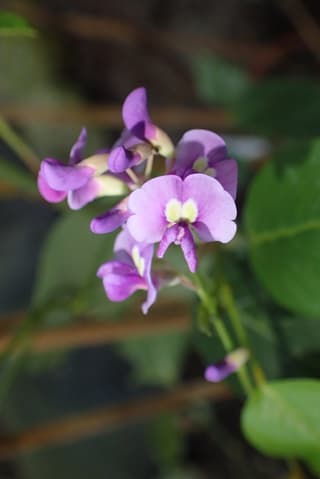
Purple Coral Pea
Hardenbergia violacea
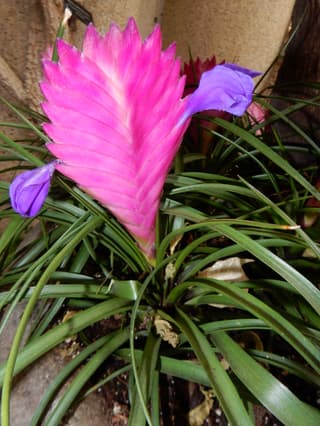
Pink quill
Wallisia cyanea
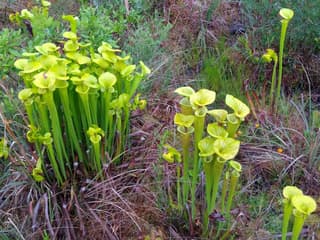
Yellow Pitcher Plant
Sarracenia flava
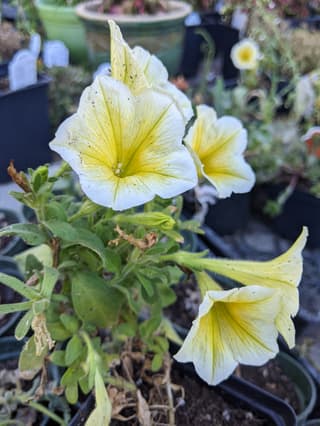
Garden Petunia
Petunia x hybrida
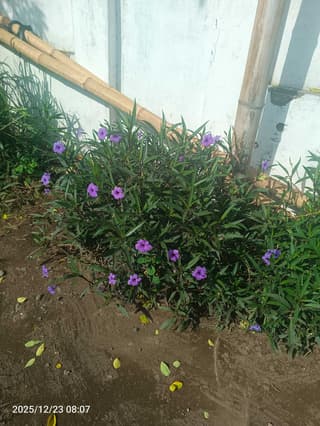
Wild Petunia
Ruellia
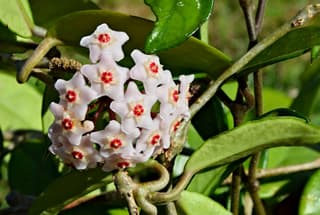
Wax Plant
Hoya carnosa
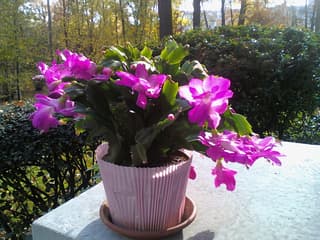
Thanksgiving Cactus
Schlumbergera truncata
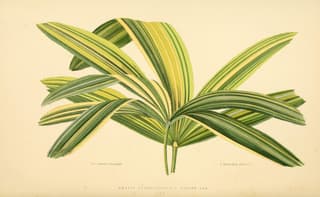
Lady Palm
Rhapis excelsa
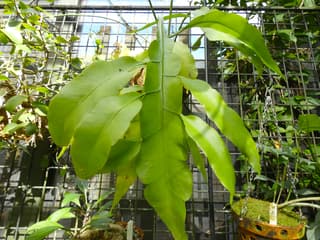
Queen of the Night
Epiphyllum oxypetalum

Noble Dendrobium
Dendrobium nobile
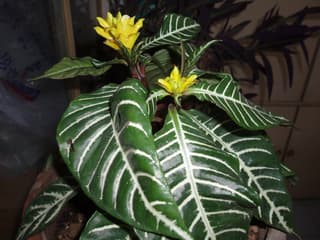
Zebra Plant
Aphelandra squarrosa
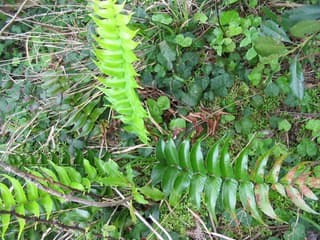
Japanese Holly Fern
Cyrtomium falcatum
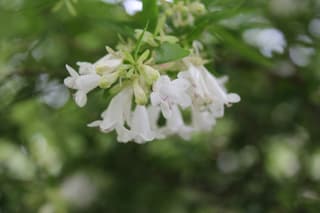
Glossy Abelia
Abelia x grandiflora
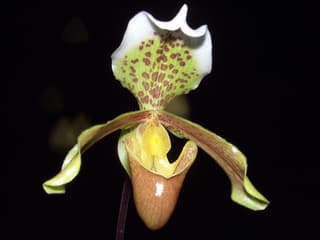
Lady Slipper Orchid
Paphiopedilum insigne
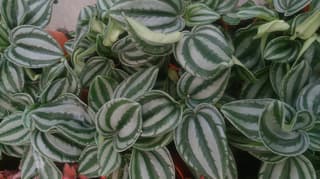
Watermelon Peperomia
Peperomia argyreia
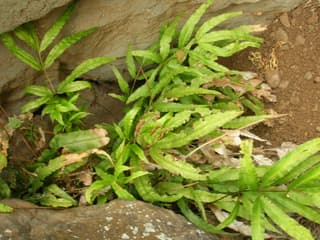
Cretan Brake Fern
Pteris cretica
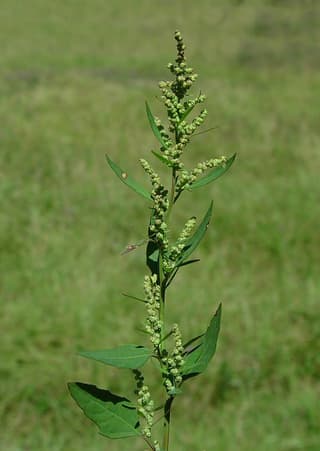
Goosefoot
Chenopodium
Pampas Grass
Cortaderia selloana
Ideal Pet Safe for Lamar County's Climate
Lamar County has an average temperature of 20.4°C and humidity of 70.4%, conditions that directly influence which pet safe best adapt to the local environment.
How to Grow Pet Safe in Lamar County
To successfully grow pet safe in Lamar County, consider that the average temperature of 20.4°C and humidity of 70.4% create a specific microclimate. High humidity favors tropical species, but requires attention to ventilation to prevent fungal issues.
Advantages of Choosing Adapted Pet Safe
Pet Safe adapted to Lamar County's climate show greater resistance, healthy growth, and less need for interventions.