303 Best Succulents for Mari | 2026 Guide - Page 5
The 303 best succulents to grow in Mari. Ideal climate: 25.6°C, 76.4% humidity.
303 Succulents for Mari
Showing 145-180 of 303
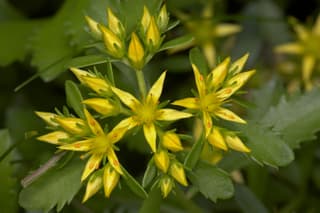
Orange Stonecrop
Sedum kamtschaticum
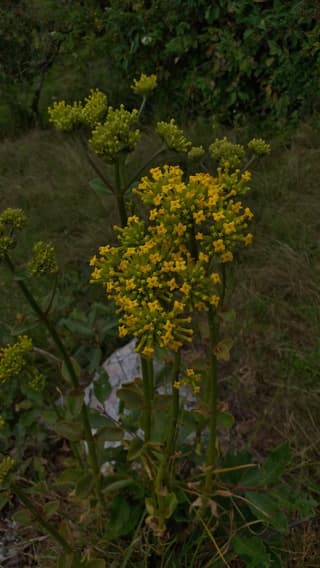
Dense-flowered Kalanchoe
Kalanchoe densiflora
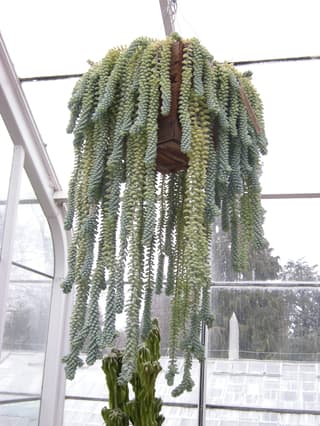
Baby Donkey Tail
Sedum burrito
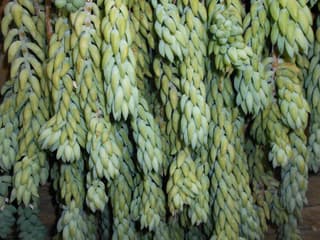
Burro's Tail
Sedum morganianum
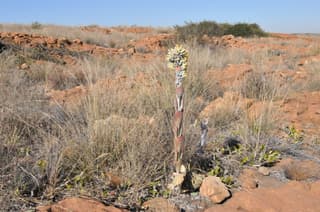
Paddle Plant
Kalanchoe thyrsiflora
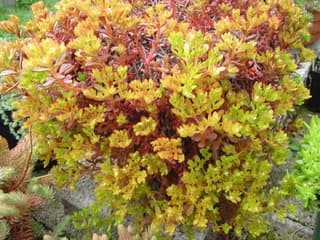
Japanese Stonecrop
Sedum makinoi
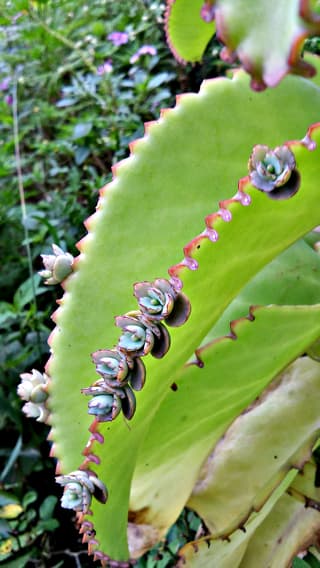
Big Mama Kalanchoe
Kalanchoe laetivirens

Chandelier Plant
Kalanchoe manginii
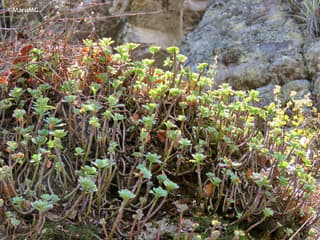
Palmer's Sedum
Sedum palmeri
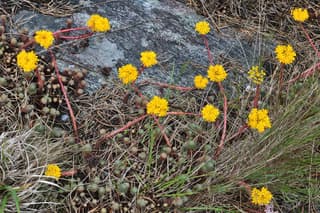
Rock Stonecrop
Petrosedum forsterianum
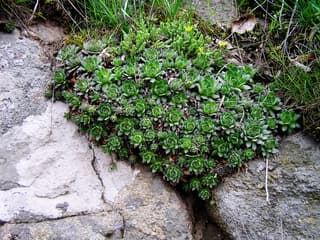
Russian Houseleek
Sempervivum ruthenicum
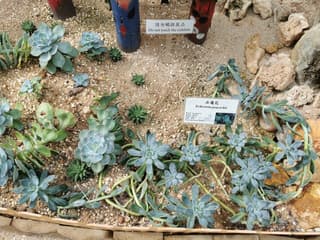
Peacock Echeveria
Echeveria peacockii
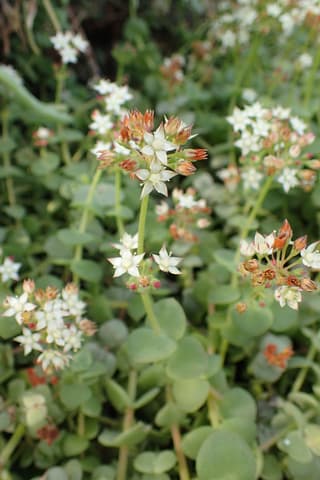
Calico Kitten
Crassula pellucida
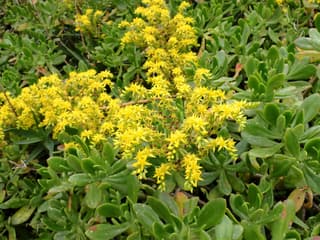
Shrubby Stonecrop
Sedum praealtum
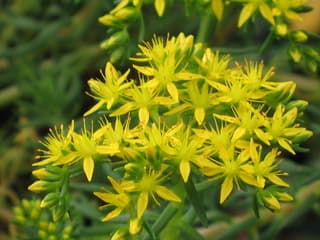
Mexican Stonecrop
Sedum mexicanum

Fairy Crassula
Crassula multicava

Blue Spruce Stonecrop
Sedum reflexum
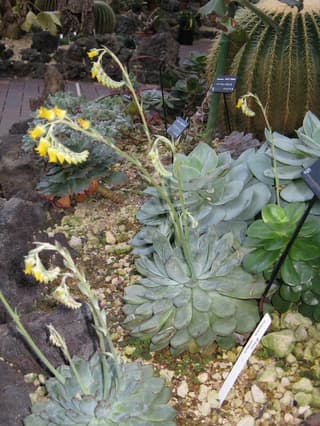
Pulido's Echeveria
Echeveria pulidonis
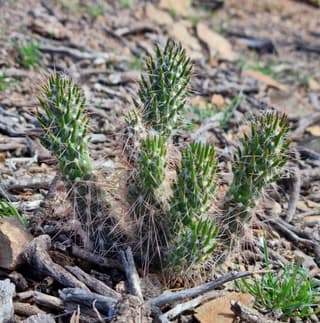
Old Man of the Andes
Austrocylindropuntia vestita
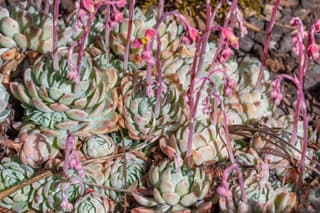
Mexican Gem
Echeveria elegans
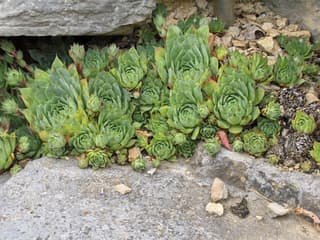
Common Houseleek
Sempervivum tectorum
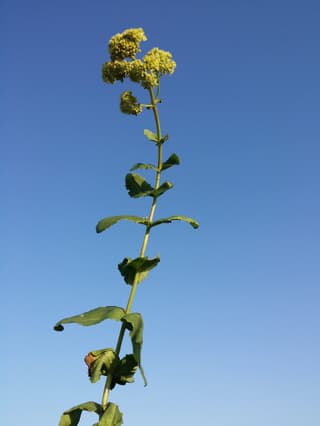
Great Stonecrop
Hylotelephium maximum
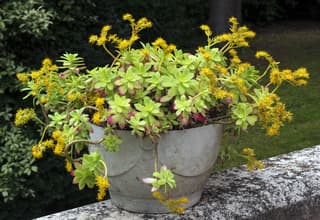
Pacific Stonecrop
Sedum spathulifolium
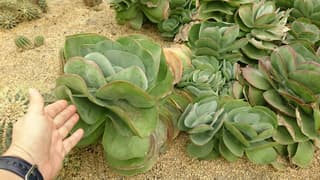
Flapjack Plant
Kalanchoe luciae
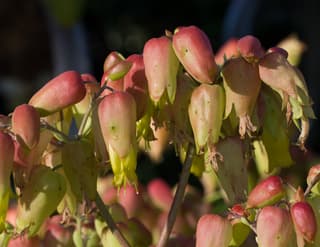
Milky Widow's Thrill
Kalanchoe laxiflora
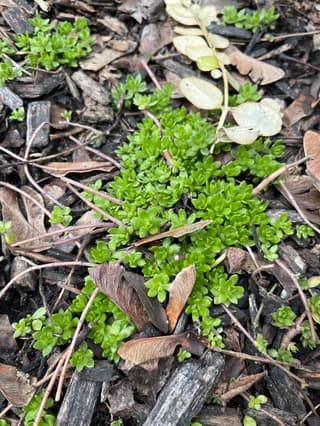
Stringy Stonecrop
Sedum sarmentosum
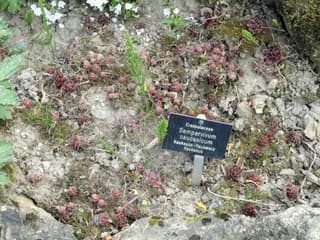
Caucasian Houseleek
Sempervivum caucasicum
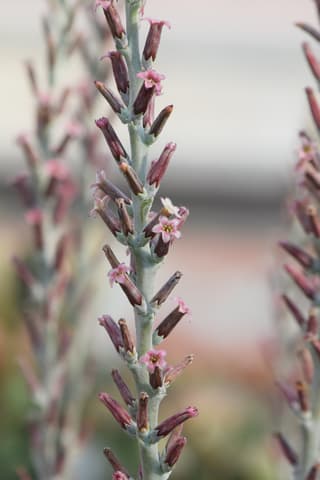
Plover Eggs Plant
Adromischus cooperi
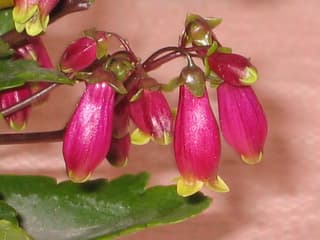
Pearl Bells
Kalanchoe porphyrocalyx

Corsican Stonecrop
Sedum dasyphyllum
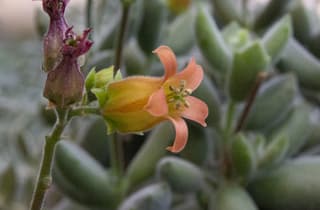
Bear's Paw
Cotyledon tomentosa
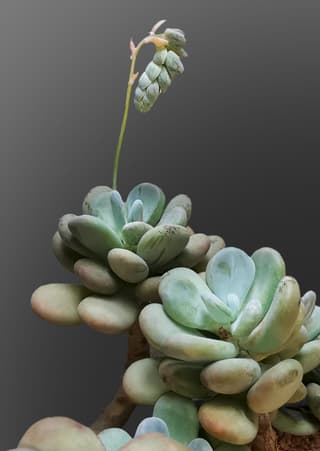
Moonstones
Pachyphytum
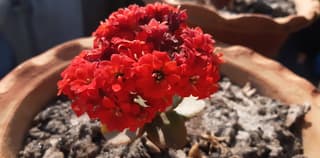
Flaming Katy
Kalanchoe blossfeldiana
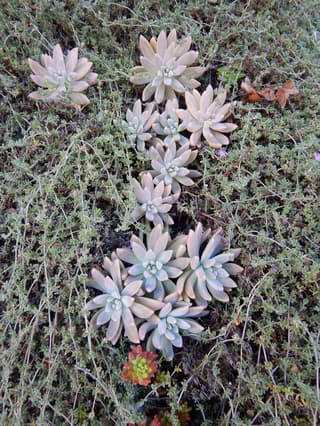
Graptosedum
Graptosedum
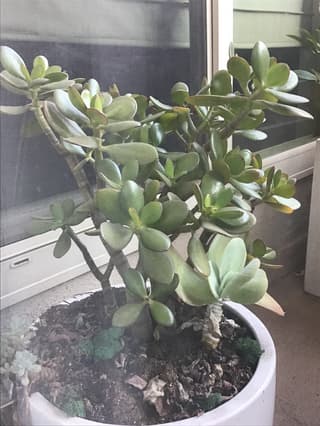
Crassula (genus)
Crassula
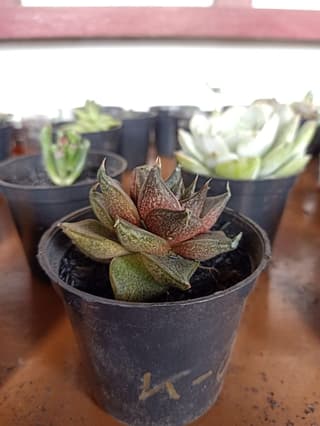
Purpus's Echeveria
Echeveria purpusorum
Ideal Succulents for Mari's Climate
Mari has an average temperature of 25.6°C and humidity of 76.4%, conditions that directly influence which succulents best adapt to the local environment.
How to Grow Succulents in Mari
To successfully grow succulents in Mari, consider that the average temperature of 25.6°C and humidity of 76.4% create a specific microclimate. High humidity favors tropical species, but requires attention to ventilation to prevent fungal issues.
Advantages of Choosing Adapted Succulents
Succulents adapted to Mari's climate show greater resistance, healthy growth, and less need for interventions.