500 Best Pet Safe for Mid Sussex | 2026 Guide - Page 7
The 500 best pet safe to grow in Mid Sussex. Ideal climate: 11.4°C, 82.5% humidity.
500 Pet Safe for Mid Sussex
Showing 217-252 of 500
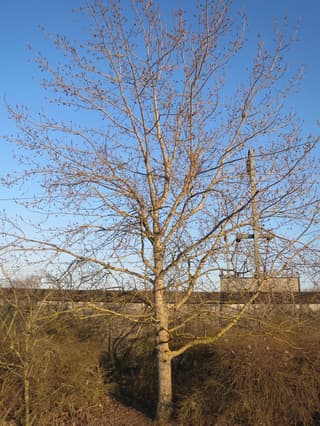
Poplar
Populus
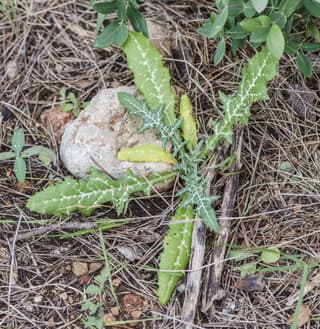
Common Sowthistle
Sonchus oleraceus
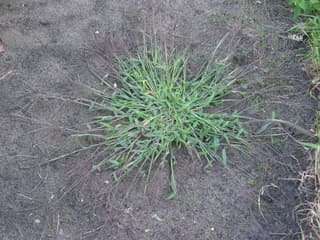
hairy crabgrass
Digitaria sanguinalis
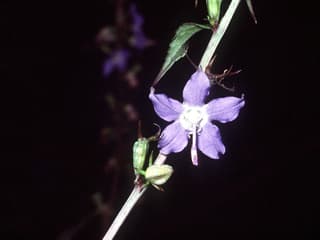
Tall Bellflower
Campanulastrum americanum
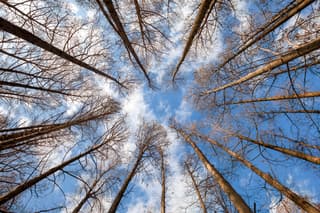
Dawn Redwood
Metasequoia glyptostroboides
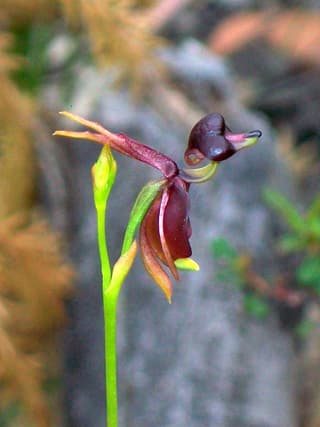
Flying Duck Orchid
Caleana major
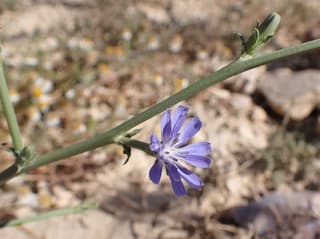
Endive
Cichorium endivia
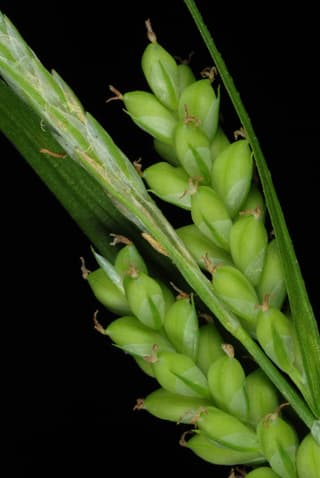
Eastern Woodland Sedge
Carex blanda
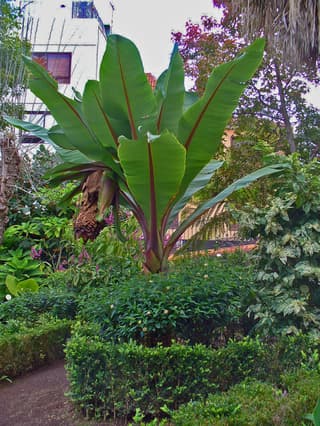
Abyssinian Banana
Ensete ventricosum
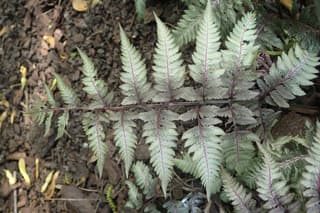
Japanese Painted Fern
Athyrium niponicum
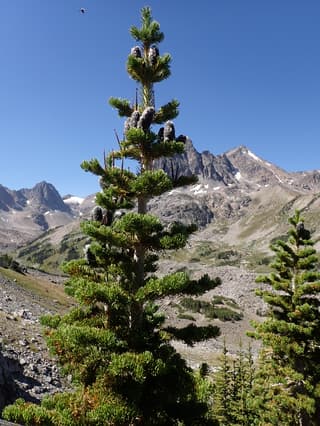
Subalpine Fir
Abies lasiocarpa
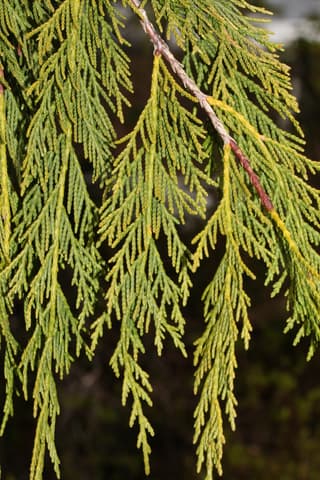
Nootka Cypress
Callitropsis nootkatensis
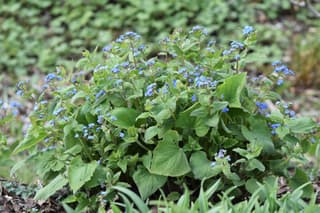
Siberian Bugloss
Brunnera macrophylla
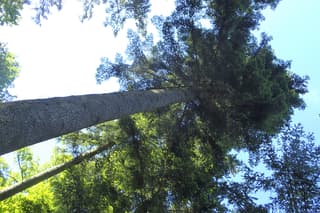
Nordmann fir
Abies nordmanniana
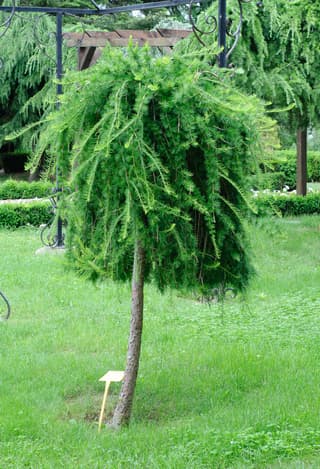
European Larch
Larix decidua

Montgomery Palm
Veitchia arecina
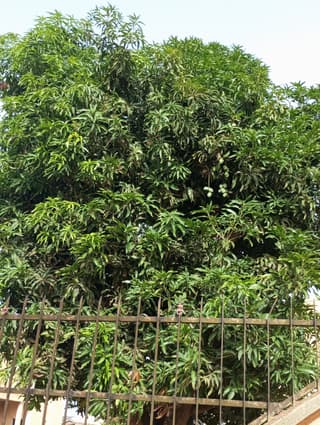
Mango Tree
Mangifera indica
Common Fieldcap
Agrocybe pediades
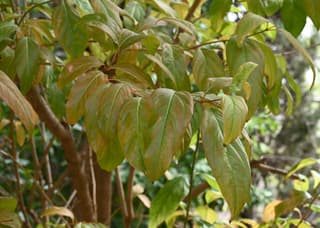
Fiddlewood
Citharexylum spinosum
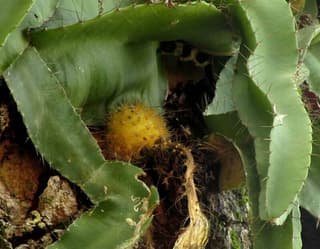
Dog-tail Cactus
Deamia testudo

Breadnut
Brosimum alicastrum
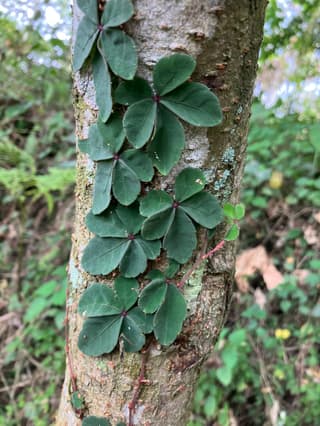
Lizard Vine
Tetrastigma obtectum
Rooting Shank
Hymenopellis radicata

Bangalow Palm
Archontophoenix cunninghamiana
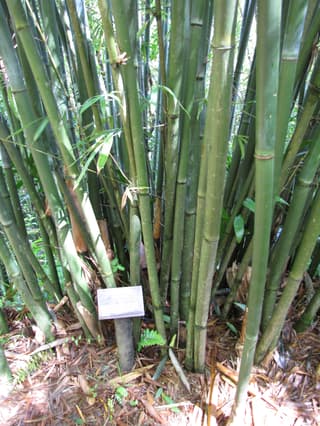
Slender Weavers Bamboo
Bambusa textilis gracili
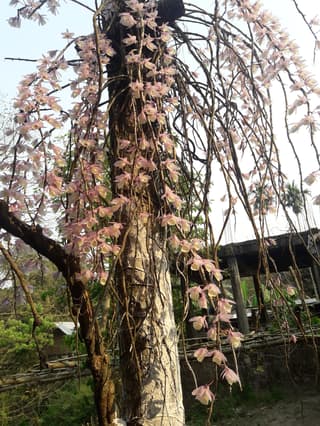
Hooded Orchid
Dendrobium aphyllum
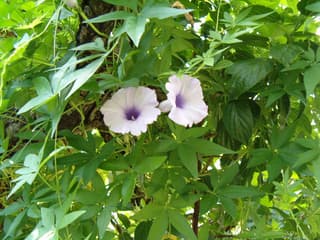
Mile-a-minute vine
Ipomoea cairica
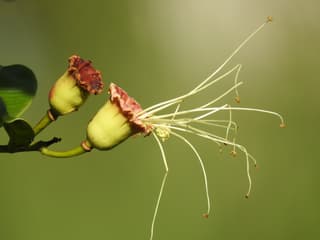
Thimble Tree
Lafoensia pacari
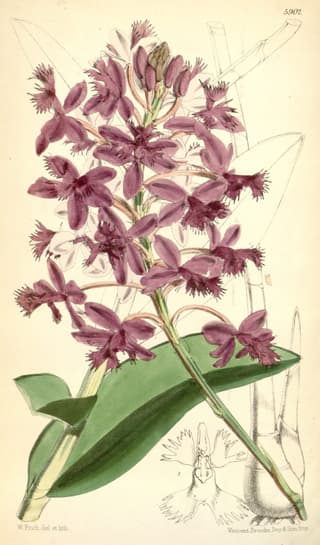
Jamieson's Epidendrum
Epidendrum jamiesonis
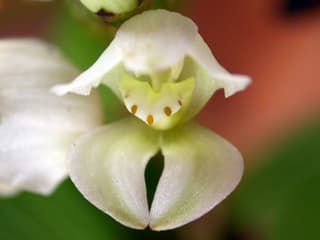
Govenia
Govenia
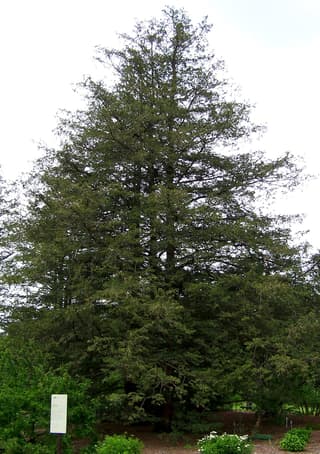
Sawara cypress
Chamaecyparis pisifera
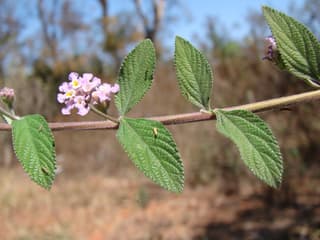
Bushy Lippia
Lippia alba
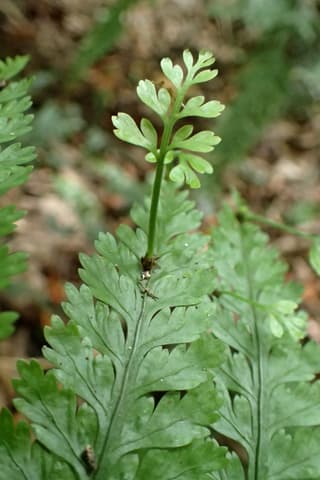
Hen and Chickens Fern
Asplenium bulbiferum
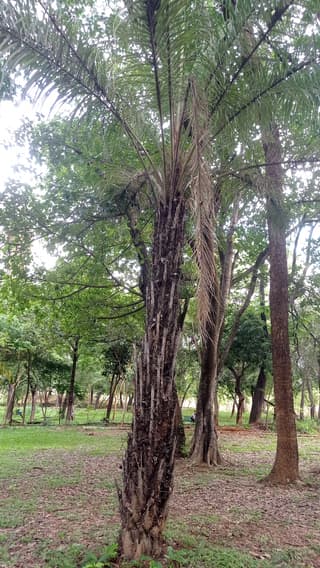
Macaw Palm
Acrocomia aculeata

foxtail palm
Wodyetia
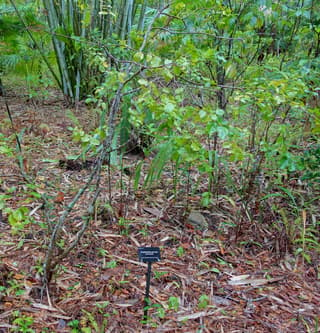
Black Ironwood
Krugiodendron ferreum
Ideal Pet Safe for Mid Sussex's Climate
Mid Sussex has an average temperature of 11.4°C and humidity of 82.5%, conditions that directly influence which pet safe best adapt to the local environment.
How to Grow Pet Safe in Mid Sussex
To successfully grow pet safe in Mid Sussex, consider that the average temperature of 11.4°C and humidity of 82.5% create a specific microclimate. High humidity favors tropical species, but requires attention to ventilation to prevent fungal issues.
Advantages of Choosing Adapted Pet Safe
Pet Safe adapted to Mid Sussex's climate show greater resistance, healthy growth, and less need for interventions.