500 Best Pet Safe for Mönchengladbach | 2026 Guide - Page 12
The 500 best pet safe to grow in Mönchengladbach. Ideal climate: 11.8°C, 77.6% humidity.
500 Pet Safe for Mönchengladbach
Showing 397-432 of 500
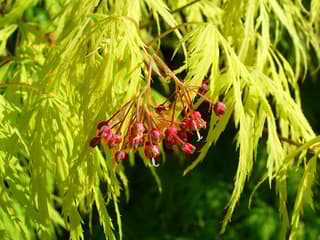
Japanese Maple
Acer palmatum
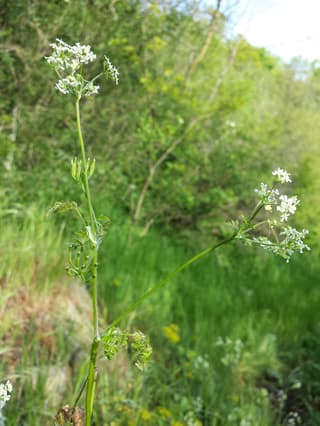
Chervil
Anthriscus cerefolium
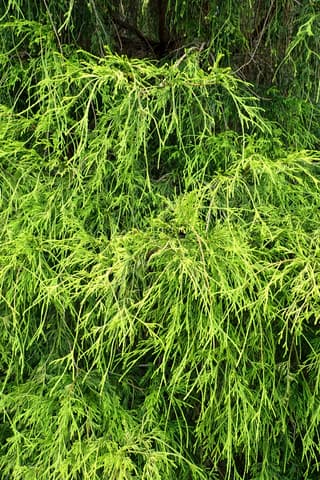
Golden Thread Cypress
Chamaecyparis pisifera filifera aurea
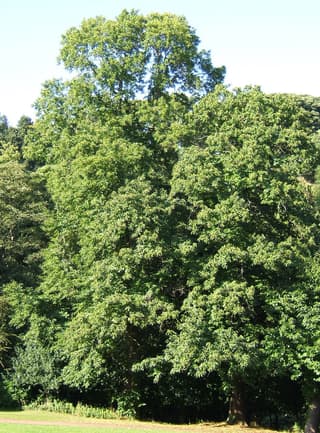
Sweet Chestnut
Castanea sativa
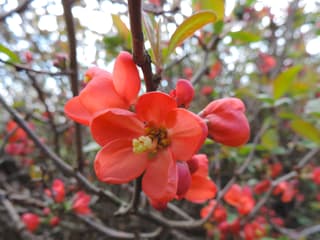
Flowering Quince
Chaenomeles speciosa
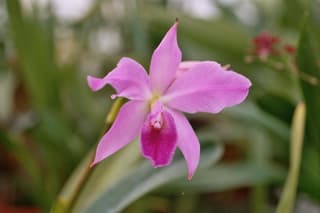
Cattleya Orchid
Cattleya spp
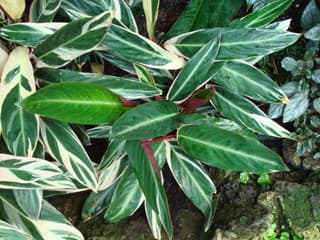
Never Never Plant
Ctenanthe oppenheimiana
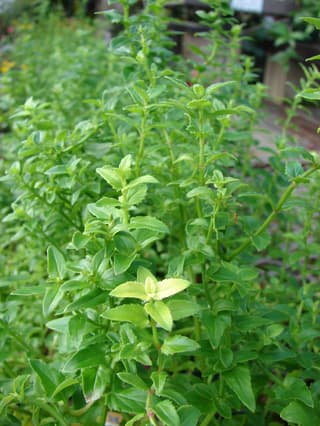
Twinspur
Diascia spp
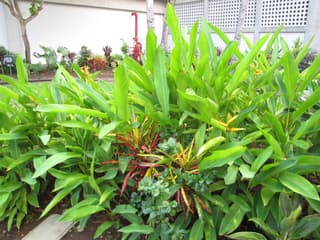
Parrot Heliconia
Heliconia psittacorum
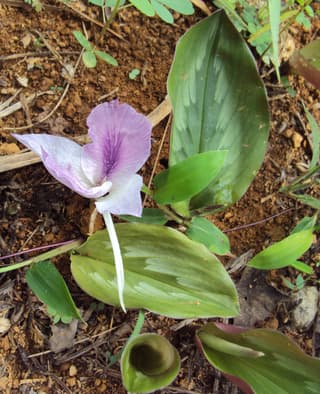
Resurrection Lily
Kaempferia rotunda
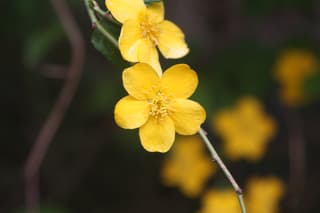
Japanese Kerria
Kerria japonica
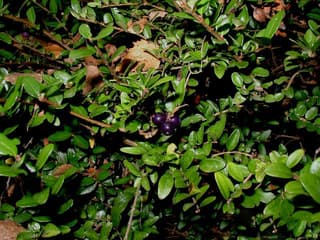
Boxleaf Honeysuckle
Lonicera nitida
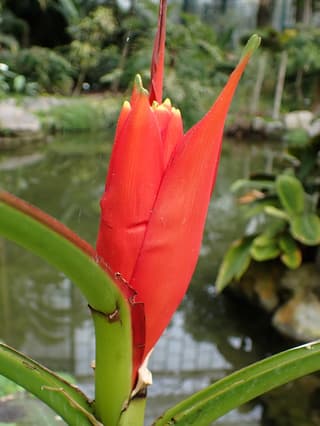
Scarlet Banana
Musa coccinea
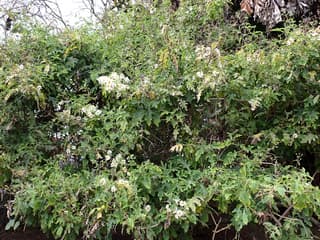
Mexican Daisy Bush
Montanoa bipinnatifida
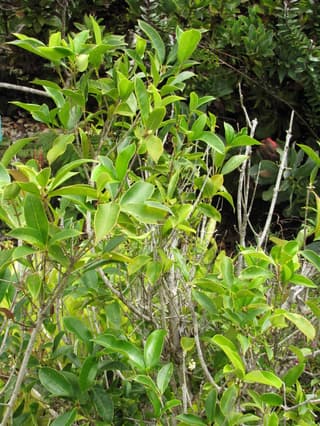
Sweet Olive
Osmanthus fragrans
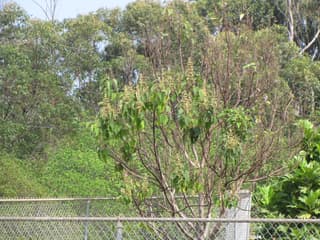
Empress Tree
Paulownia tomentosa
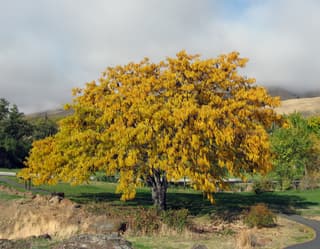
Honey Locust
Gleditsia triacanthos
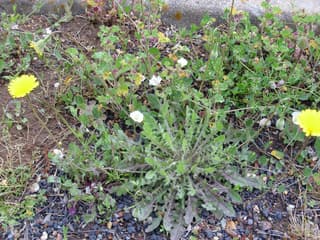
Rough Hawkbit
Leontodon hispidus
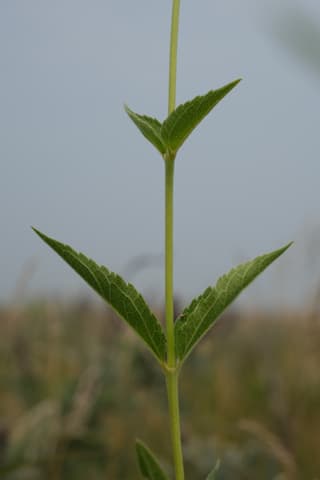
False Sunflower
Heliopsis helianthoides
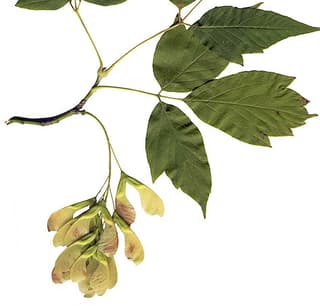
Boxelder
Acer negundo
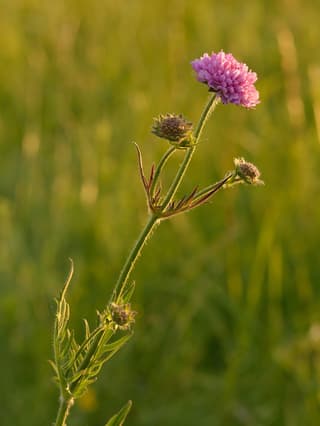
Field Scabious
Knautia arvensis
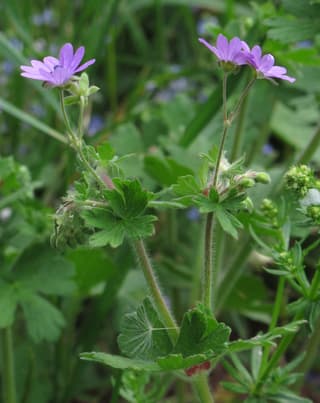
Hedgerow Cranesbill
Geranium pyrenaicum
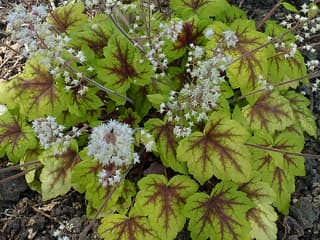
Foamy Bells
Heucherella
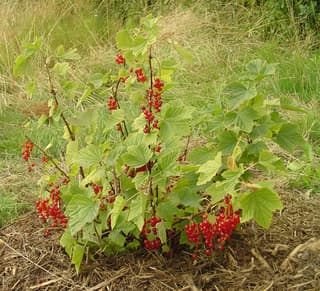
Redcurrant
Ribes rubrum
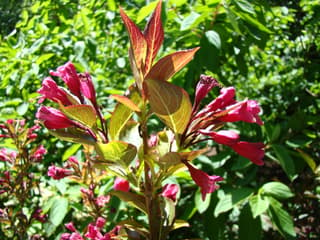
Old Fashioned Weigela
Weigela florida
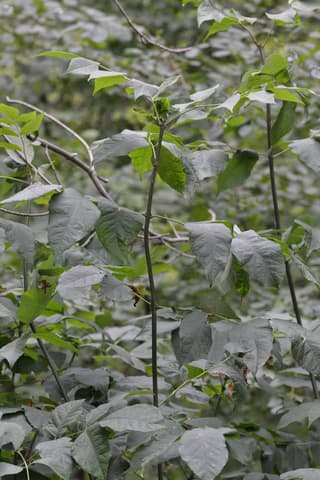
Green Ash
Fraxinus pennsylvanica
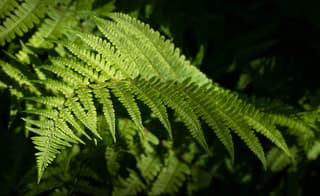
Lady Fern
Athyrium filix-femina
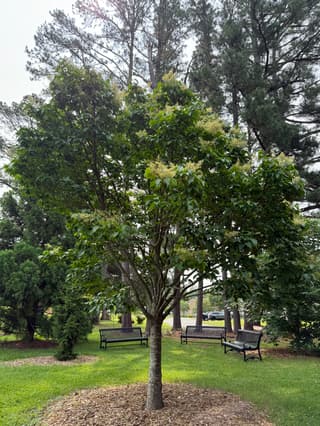
Japanese Tree Lilac
Syringa reticulata

Holly Fern
Polystichum
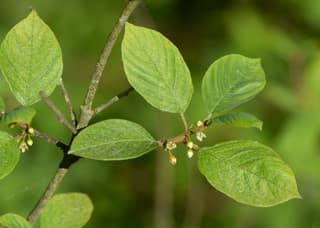
Buckthorn
Frangula
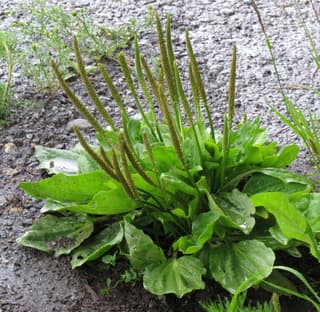
Broadleaf Plantain
Plantago major
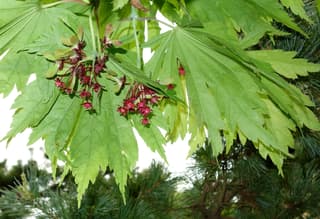
Fullmoon Maple
Acer japonicum
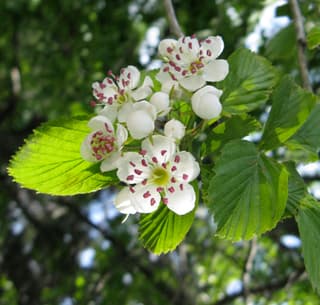
Dotted Hawthorn
Crataegus punctata
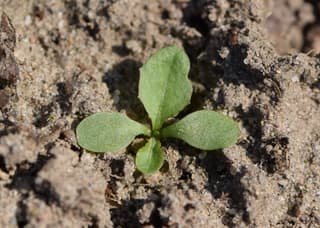
Autumn Hawkbit
Scorzoneroides autumnalis
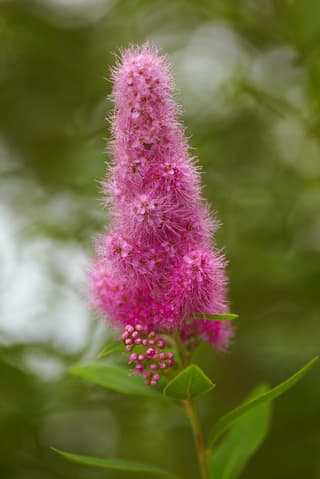
Billard Spiraea
Spiraea billardii
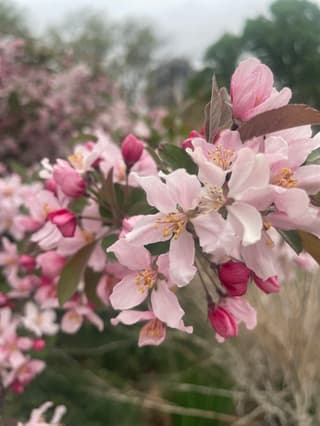
Japanese Flowering Crabapple
Malus × floribunda
Ideal Pet Safe for Mönchengladbach's Climate
Mönchengladbach has an average temperature of 11.8°C and humidity of 77.6%, conditions that directly influence which pet safe best adapt to the local environment.
How to Grow Pet Safe in Mönchengladbach
To successfully grow pet safe in Mönchengladbach, consider that the average temperature of 11.8°C and humidity of 77.6% create a specific microclimate. High humidity favors tropical species, but requires attention to ventilation to prevent fungal issues.
Advantages of Choosing Adapted Pet Safe
Pet Safe adapted to Mönchengladbach's climate show greater resistance, healthy growth, and less need for interventions.