500 Best Pet Safe for Municipio de Montecarlo | 2026 Guide - Page 9
The 500 best pet safe to grow in Municipio de Montecarlo. Ideal climate: 21.8°C, 81.2% humidity.
500 Pet Safe for Municipio de Montecarlo
Showing 289-324 of 500
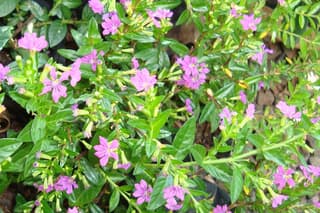
Slender Cuphea
Cuphea gracilis
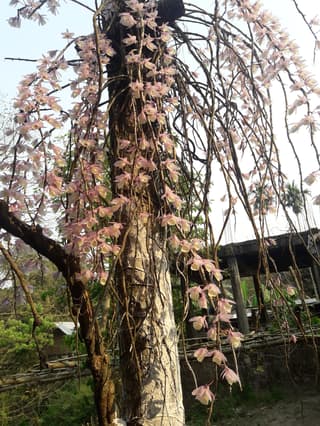
Hooded Orchid
Dendrobium aphyllum
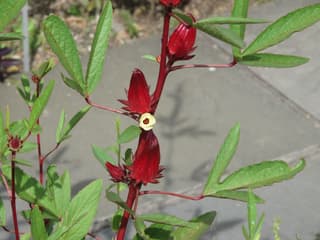
Roselle
Hibiscus sabdariffa
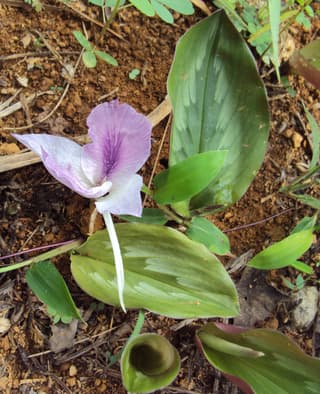
Resurrection Lily
Kaempferia rotunda
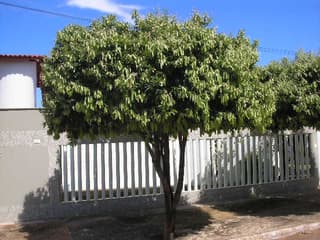
Oiti Tree
Licania tomentosa
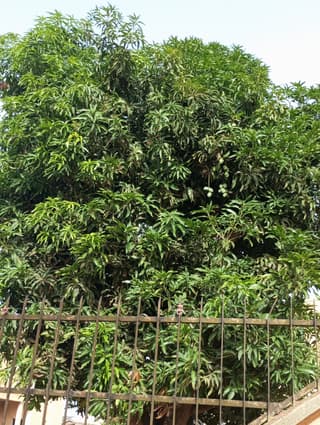
Mango Tree
Mangifera indica
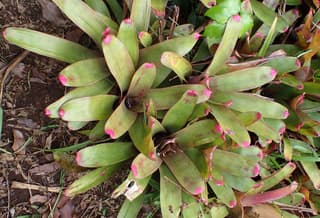
Blushing Bromeliad
Neoregelia sp
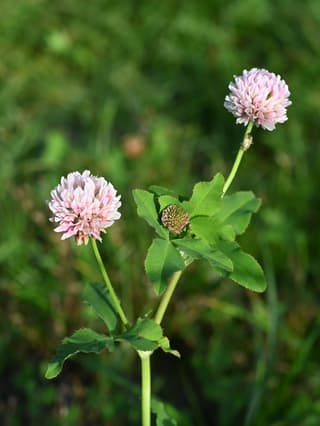
Alsike Clover
Trifolium hybridum
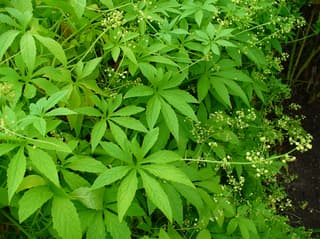
Caigua
Cyclanthera pedata
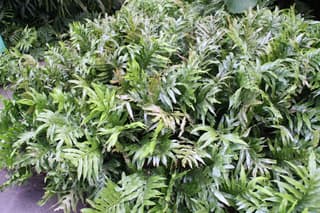
Wart Fern
Phymatosorus scolopendria
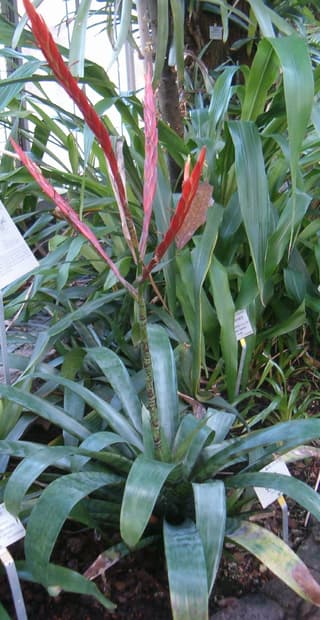
Flaming Sword Bromeliad
Lutheria
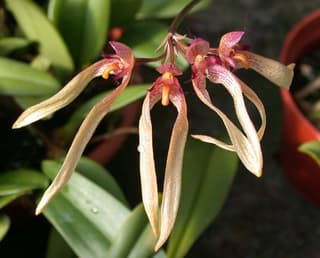
Pale Umbrella Orchid
Bulbophyllum longiflorum
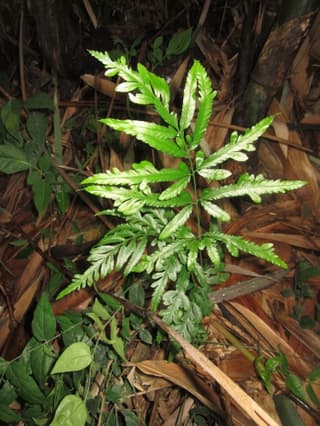
Silver Lace Fern
Pteris ensiformis
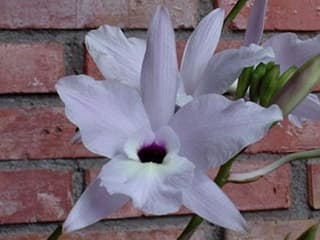
Rosy Tinted Laelia
Laelia rubescens
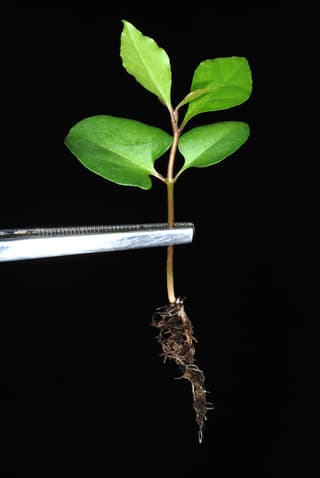
Pull-and-hold
Pisonia aculeata
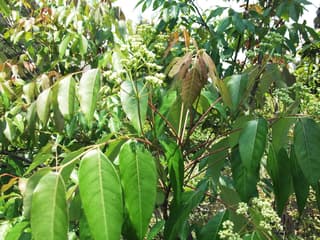
Catuaba
Trichilia
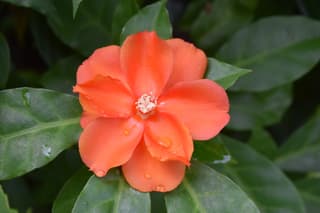
Leaf Cactus
Leuenbergeria
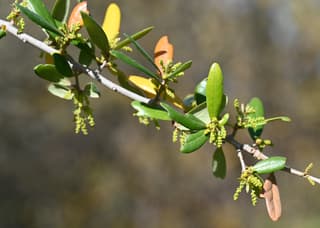
Southern Live Oak
Quercus virginiana
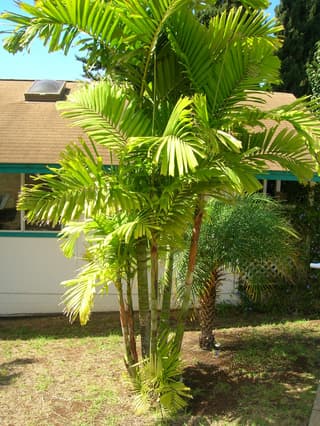
Macarthur Palm
Ptychosperma macarthurii
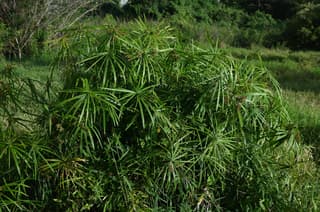
Umbrella Sedge
Cyperus
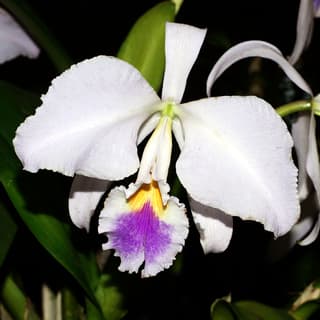
Mendel's Cattleya
Cattleya mendelii
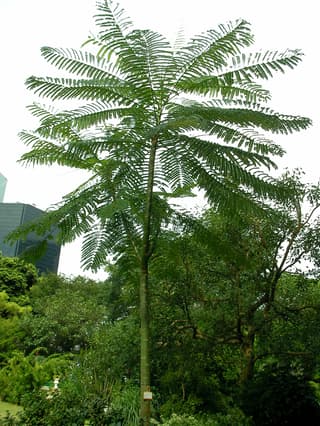
Brazilian Firetree
Schizolobium parahyba
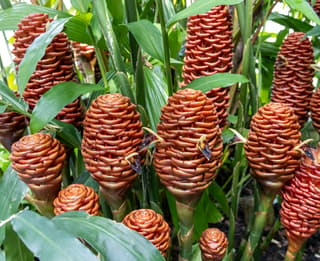
Ginger
Zingiber

Montgomery Palm
Veitchia arecina
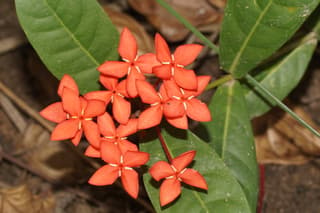
Jungle Geranium
Ixora coccinea
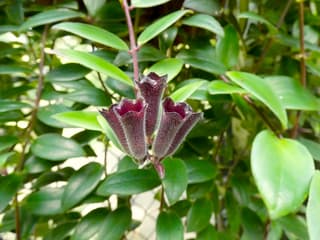
Lipstick Plant
Aeschynanthus
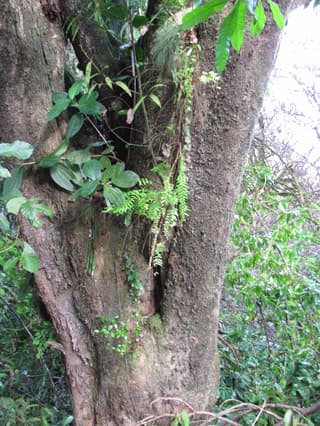
Fishtail Fern
Nephrolepis falcata
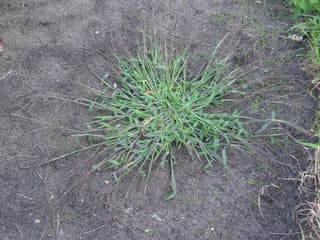
hairy crabgrass
Digitaria sanguinalis
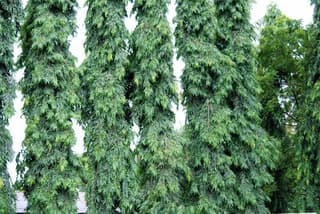
Mast Tree
Polyalthia longifolia
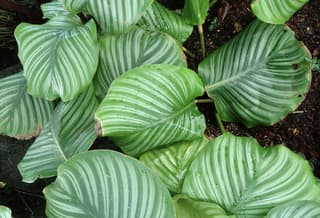
Round-leaf Calathea
Calathea orbifolia
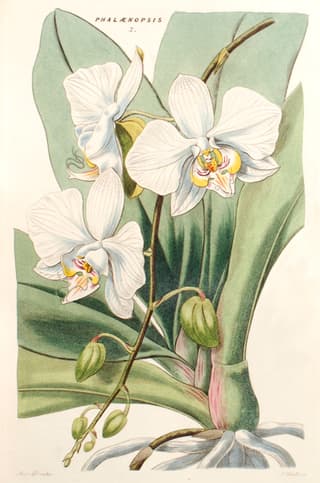
Moon Orchid
Phalaenopsis amabilis

Sky Plant
Tillandsia ionantha
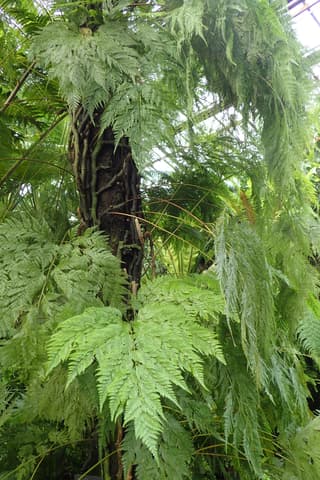
Rabbit's Foot Fern
Davallia fejeensis
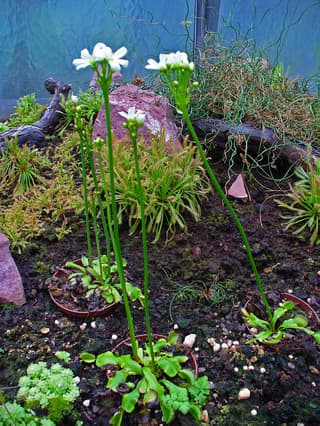
Venus Flytrap
Dionaea muscipula
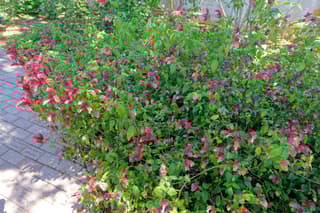
Shrimp Plant
Justicia brandegeeana
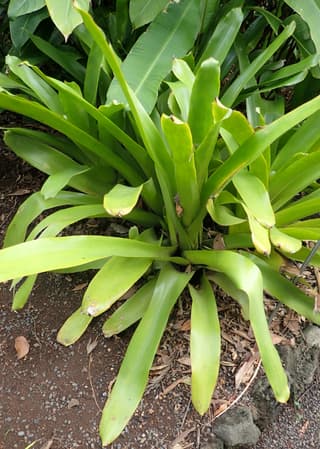
Orange Bromeliad
Aechmea blanchetiana
Ideal Pet Safe for Municipio de Montecarlo's Climate
Municipio de Montecarlo has an average temperature of 21.8°C and humidity of 81.2%, conditions that directly influence which pet safe best adapt to the local environment.
How to Grow Pet Safe in Municipio de Montecarlo
To successfully grow pet safe in Municipio de Montecarlo, consider that the average temperature of 21.8°C and humidity of 81.2% create a specific microclimate. High humidity favors tropical species, but requires attention to ventilation to prevent fungal issues.
Advantages of Choosing Adapted Pet Safe
Pet Safe adapted to Municipio de Montecarlo's climate show greater resistance, healthy growth, and less need for interventions.