500 Best Pet Safe for Northumberland | 2026 Guide - Page 8
The 500 best pet safe to grow in Northumberland. Ideal climate: 10°C, 81.9% humidity.
500 Pet Safe for Northumberland
Showing 253-288 of 500
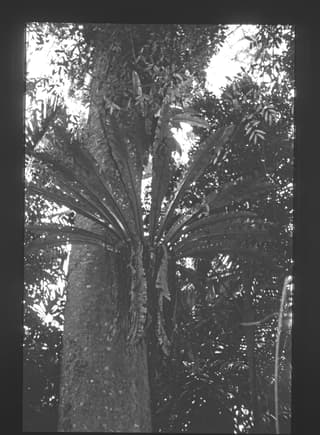
Birds Nest Fern
Asplenium australasicum
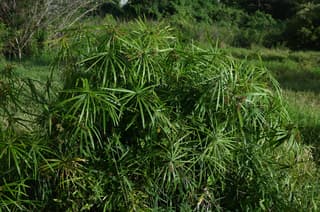
Umbrella Sedge
Cyperus
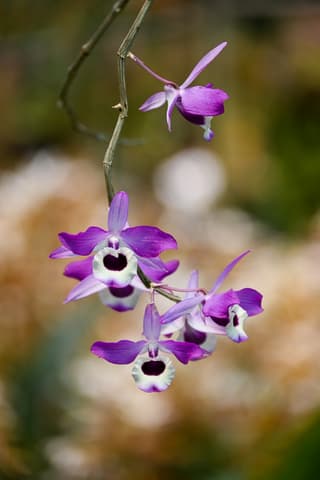
Dendrobium Orchid (genus)
Dendrobium
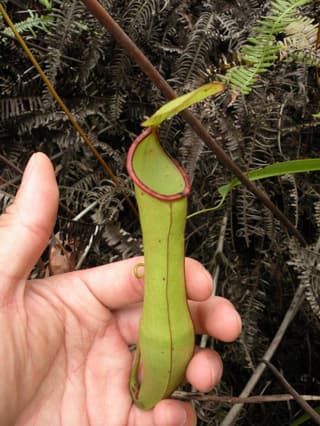
Neglecta Pitcher Plant
Nepenthes × neglecta
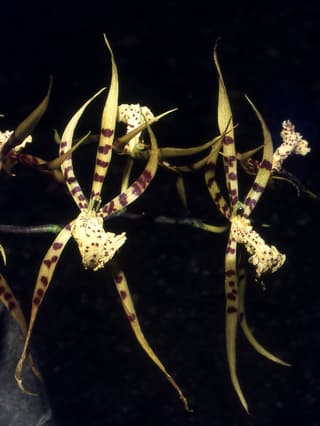
Spider Orchid
Brassia arachnoidea
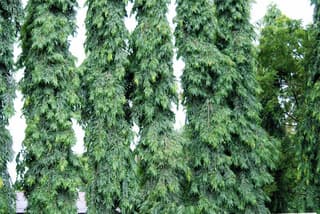
Mast Tree
Polyalthia longifolia
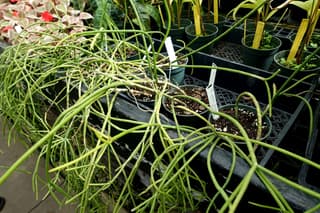
Mistletoe cactus
Rhipsalis baccifera
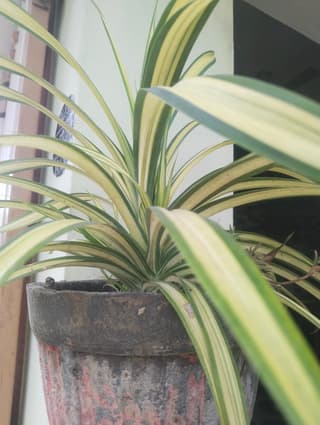
Spider Plant (genus)
Chlorophytum
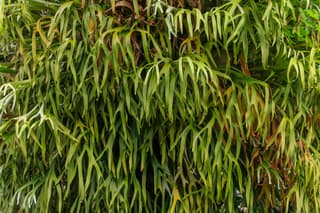
Staghorn Fern
Platycerium bifurcatum
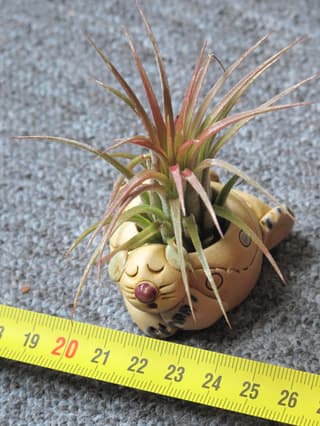
Sky Plant
Tillandsia ionantha
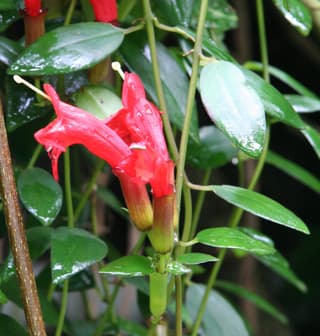
Lipstick Plant
Aeschynanthus radicans
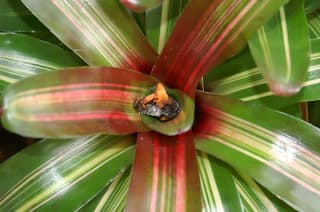
Blushing Bromeliad
Neoregelia carolinae
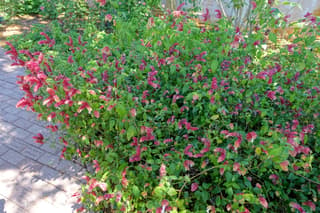
Shrimp Plant
Justicia brandegeeana
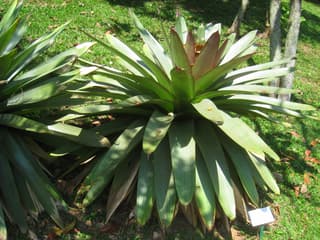
Imperial Bromeliad
Alcantarea imperialis
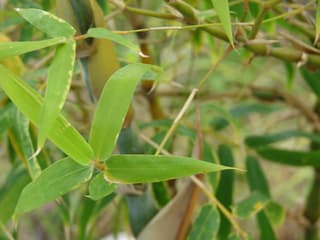
Buddha Belly Bamboo
Bambusa ventricosa
Canna Lily
Canna x generalis
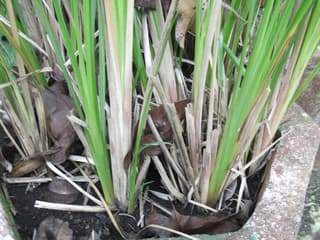
Vetiver
Chrysopogon zizanioides
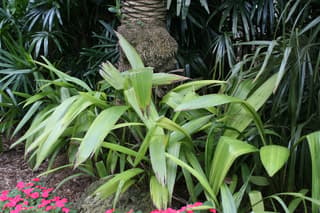
Palm Grass
Curculigo capitulata
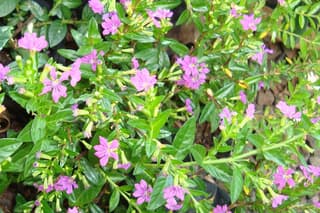
Slender Cuphea
Cuphea gracilis
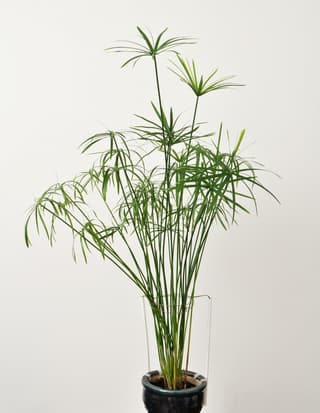
Umbrella Papyrus
Cyperus alternifolius

New Guinea Impatiens
Impatiens hawkeri
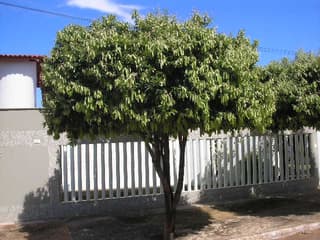
Oiti Tree
Licania tomentosa
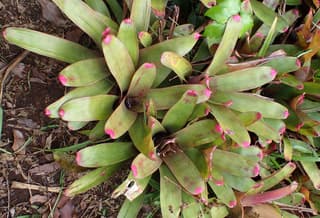
Blushing Bromeliad
Neoregelia sp
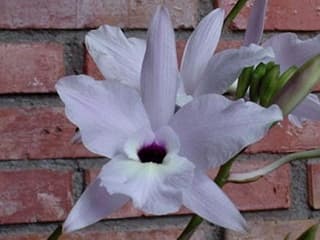
Rosy Tinted Laelia
Laelia rubescens
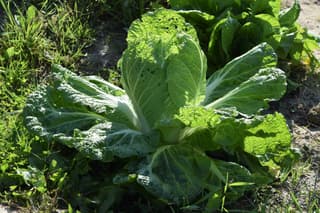
Chinese Cabbage
Brassica rapa pekinensis
Common Fieldcap
Agrocybe pediades
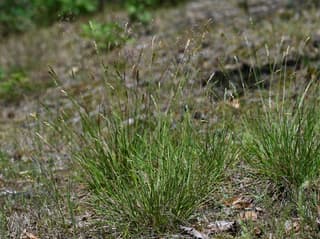
Heath-grass
Danthonia decumbens

Breadnut
Brosimum alicastrum

Longan
Dimocarpus longan
Rooting Shank
Hymenopellis radicata
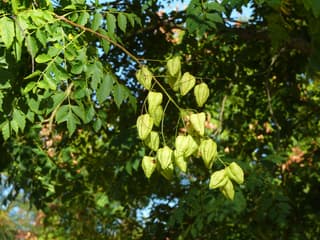
Golden Rain Tree
Koelreuteria paniculata
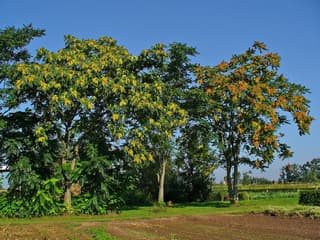
Tree of Heaven
Ailanthus
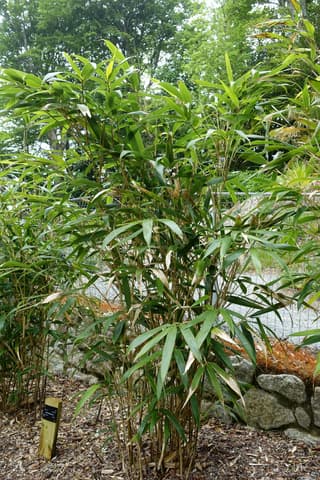
Arrow Bamboo
Pseudosasa japonica
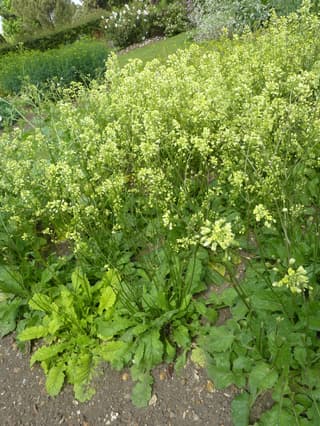
Brassica
Brassica
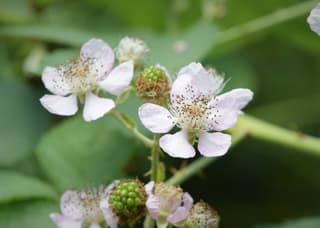
Himalayan Blackberry
Rubus armeniacus
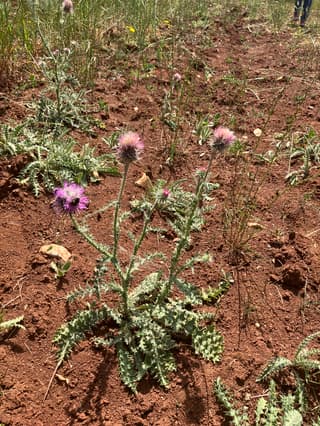
Musk Thistle
Carduus nutans
Ideal Pet Safe for Northumberland's Climate
Northumberland has an average temperature of 10°C and humidity of 81.9%, conditions that directly influence which pet safe best adapt to the local environment.
How to Grow Pet Safe in Northumberland
To successfully grow pet safe in Northumberland, consider that the average temperature of 10°C and humidity of 81.9% create a specific microclimate. High humidity favors tropical species, but requires attention to ventilation to prevent fungal issues.
Advantages of Choosing Adapted Pet Safe
Pet Safe adapted to Northumberland's climate show greater resistance, healthy growth, and less need for interventions.