306 Best Succulents for Pinal County | 2026 Guide - Page 6
The 306 best succulents to grow in Pinal County. Ideal climate: 22.9°C, 34.8% humidity.
306 Succulents for Pinal County
Showing 181-216 of 306
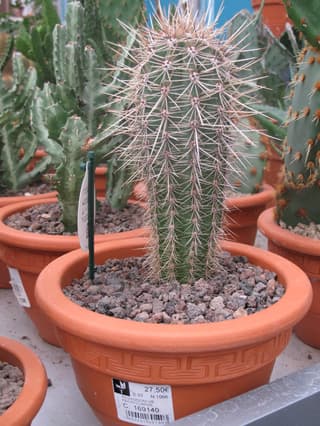
Brazilian Blue Cactus
Pilosocereus azureus
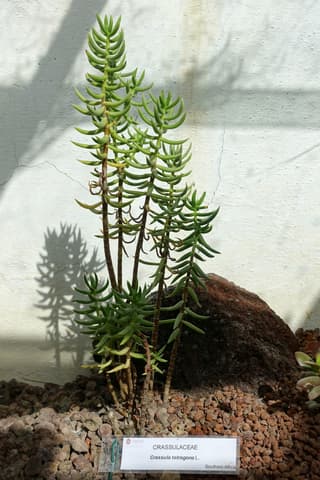
Miniature Pine Tree
Crassula tetragona
Snow white panda plant
Kalanchoe eriophylla

Claret Cup Cactus
Echinocereus triglochidiatus

Fairy Crassula
Crassula multicava
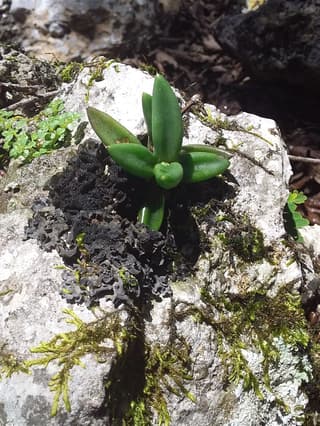
Lenophyllum acutifolium
Lenophyllum acutifolium
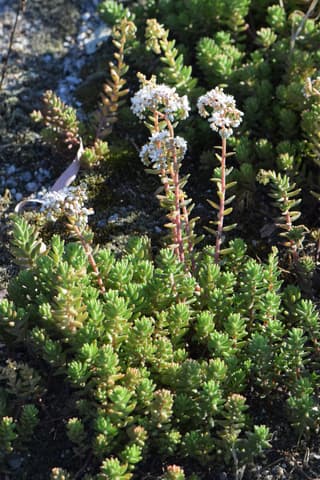
White Stonecrop
Sedum album
Stonecrop
Petrosedum
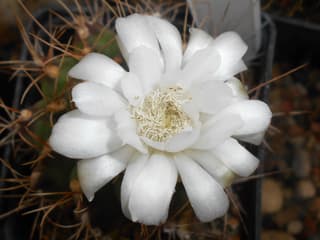
Chin Cactus
Gymnocalycium anisitsii
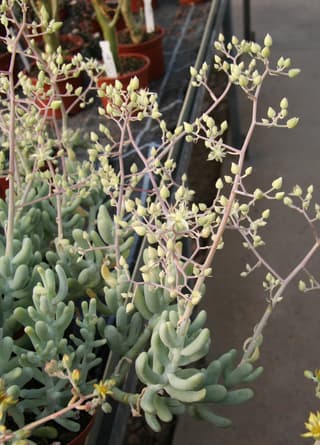
Ghost Sedum
Sedum allantoides
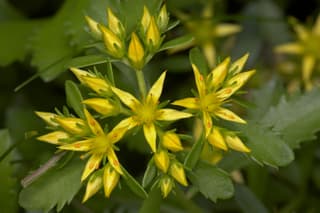
Orange Stonecrop
Sedum kamtschaticum
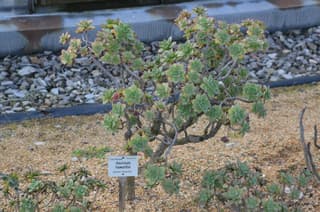
Pinwheel Aeonium
Aeonium haworthii
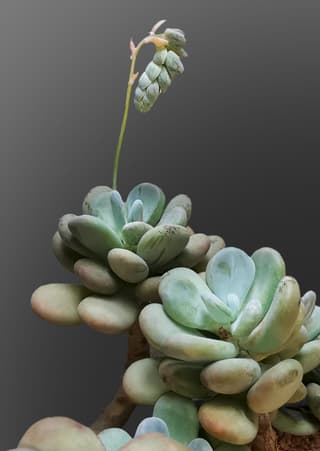
Moonstones
Pachyphytum
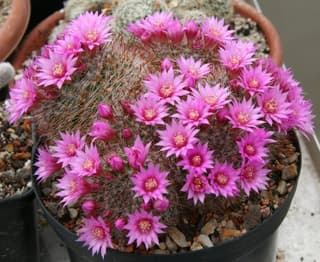
Rose Pincushion Cactus
Mammillaria zeilmanniana
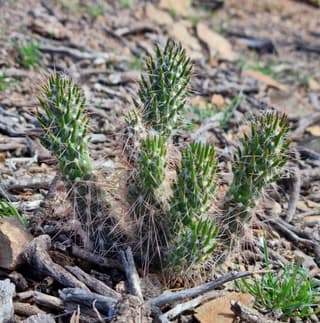
Old Man of the Andes
Austrocylindropuntia vestita
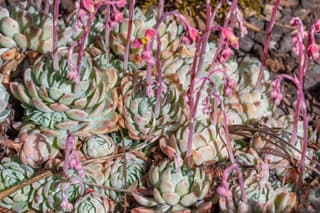
Mexican Gem
Echeveria elegans
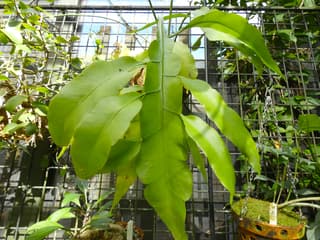
Queen of the Night
Epiphyllum oxypetalum
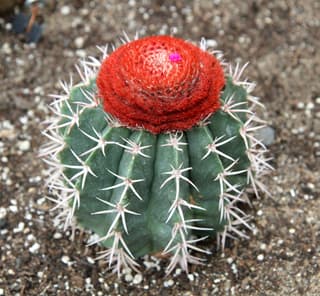
Turk's Cap Cactus
Melocactus zehntneri
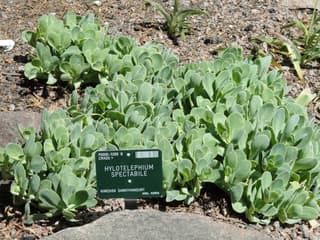
Showy Stonecrop
Sedum spectabile
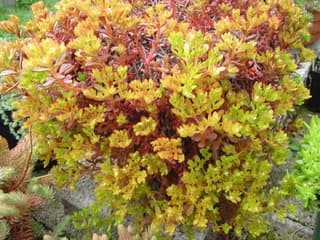
Japanese Stonecrop
Sedum makinoi
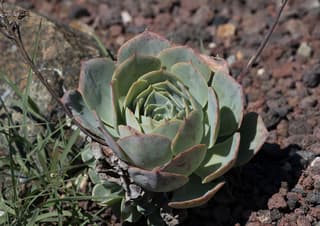
Echeveria
Echeveria
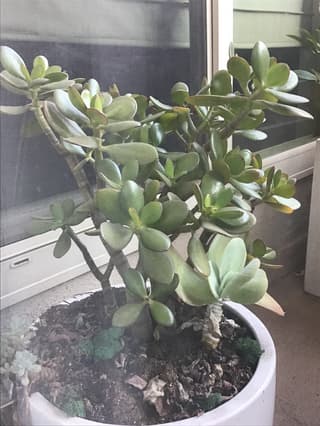
Crassula (genus)
Crassula
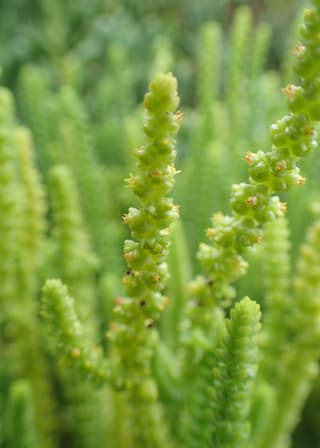
Watch Chain Plant
Crassula muscosa
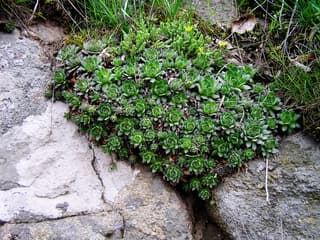
Russian Houseleek
Sempervivum ruthenicum
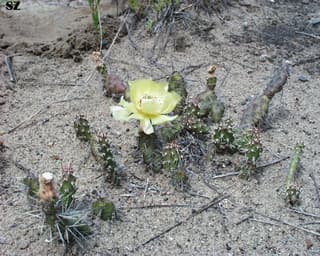
Brittle Prickly Pear
Opuntia fragilis
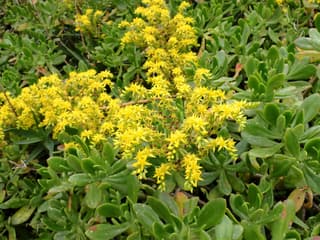
Shrubby Stonecrop
Sedum praealtum
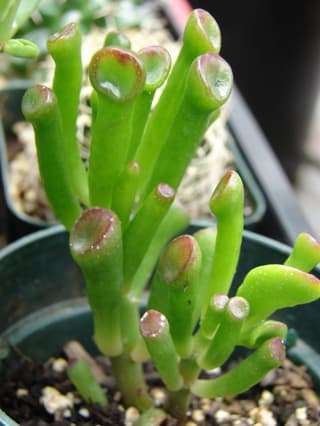
Hobbit Jade
Crassula ovata 'Hobbit'
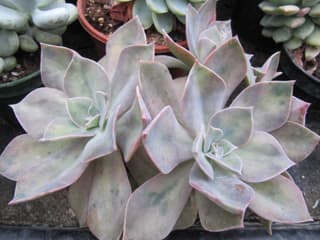
Graptoveria
Graptoveria
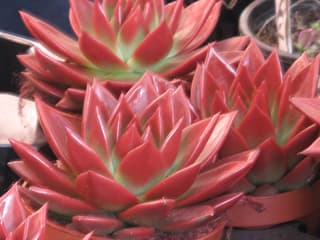
Miranda Echeveria
Echeveria 'Miranda'

Old Man of the Andes
Oreocereus celsianus

Blue Spruce Stonecrop
Sedum reflexum

Corsican Stonecrop
Sedum dasyphyllum
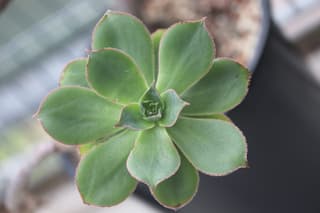
Green Pinwheel
Aeonium decorum
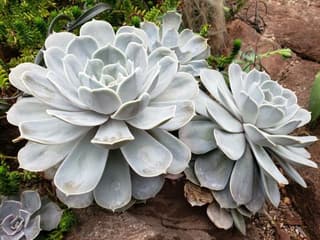
Ghost Echeveria
Echeveria lilacina
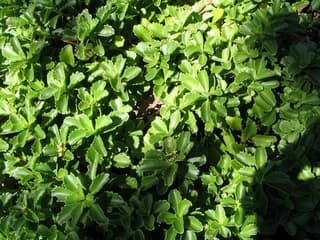
Kamchatka Stonecrop
Phedimus kamtschaticus
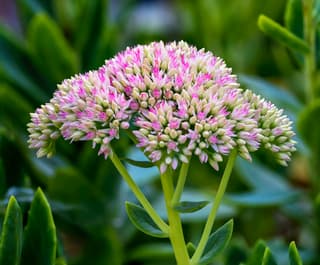
Autumn Joy Sedum
Hylotelephium
Ideal Succulents for Pinal County's Climate
Pinal County has an average temperature of 22.9°C and humidity of 34.8%, conditions that directly influence which succulents best adapt to the local environment.
How to Grow Succulents in Pinal County
To successfully grow succulents in Pinal County, consider that the average temperature of 22.9°C and humidity of 34.8% create a specific microclimate. Lower humidity requires more frequent watering and use of drip trays.
Advantages of Choosing Adapted Succulents
Succulents adapted to Pinal County's climate show greater resistance, healthy growth, and less need for interventions.