500 Best Plants for Pinal County | 2026 Guide - Page 6
Discover the 500 ideal plants for Pinal County's climate. Average temp: 22.9°C, Humidity: 34.8%.
Top 500 Plants for Pinal County
Showing 181-216 of 500
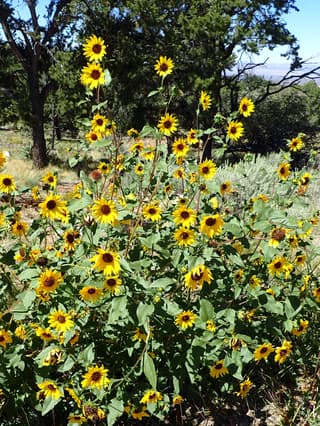
Prairie Sunflower
Helianthus petiolaris
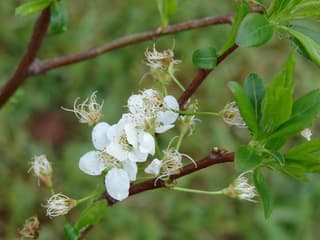
Japanese Plum
Prunus salicina
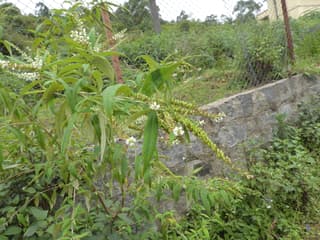
Chaste tree
Vitex
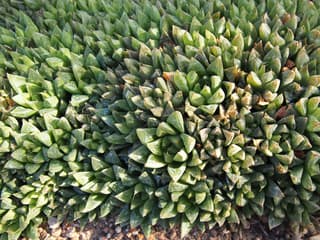
Cathedral Window Haworthia
Haworthia cymbiformis
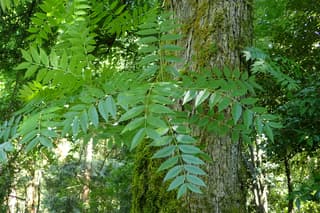
Chinese Pistache
Pistacia chinensis
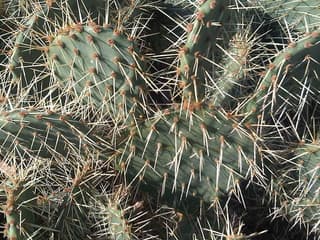
Eastern Prickly Pear
Opuntia humifusa
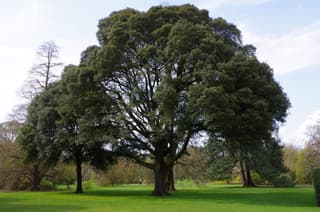
Holm Oak
Quercus ilex
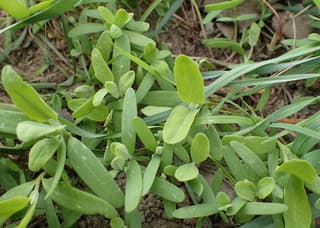
Common Orache
Atriplex patula
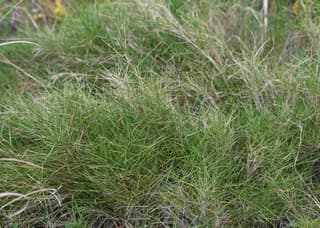
Mediterranean False Brome
Brachypodium retusum
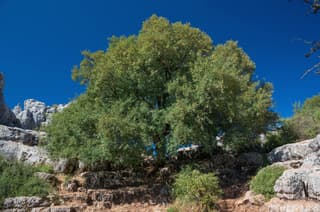
Montpellier maple
Acer monspessulanum
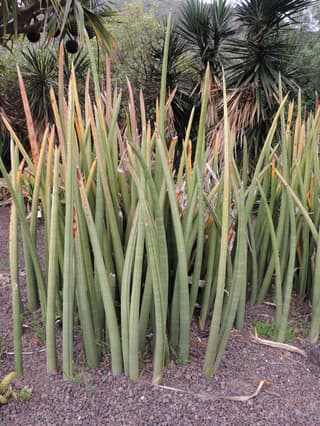
Elephant Tusk
Sansevieria stuckyi
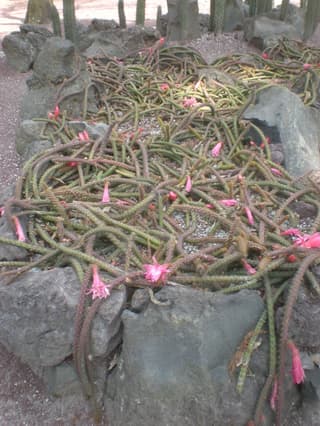
Rat Tail Cactus
Aporocactus flagelliformis
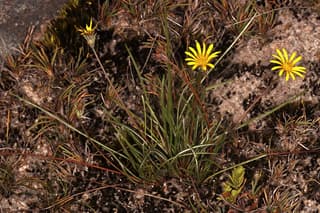
Treasure Flower
Gazania linearis
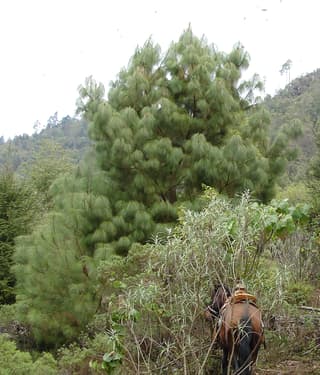
Smooth-bark Mexican Pine
Pinus pseudostrobus
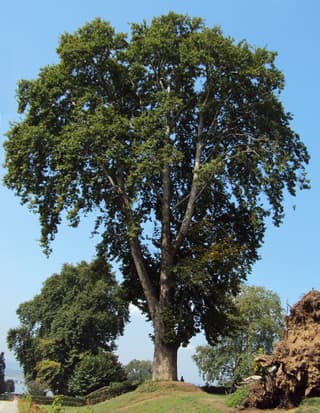
Plane Tree
Platanus

Laurel Clockvine
Thunbergia laurifolia
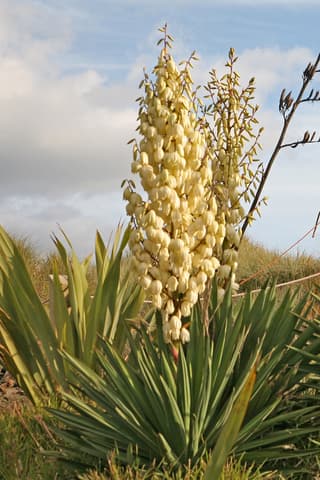
Spanish Dagger
Yucca gloriosa
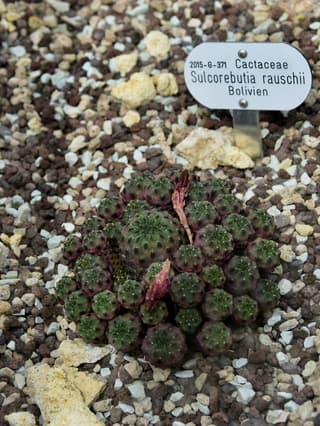
Crown Cactus
Rebutia canigueralii
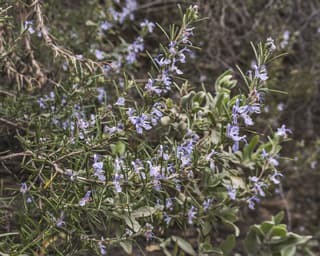
Rosemary
Rosmarinus officinalis
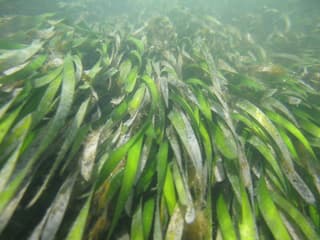
Turtle grass
Thalassia testudinum
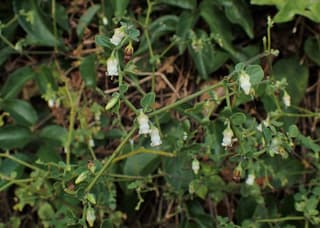
Lily of the Valley Vine
Salpichroa origanifolia

Elephant's Foot
Dioscorea elephantipes
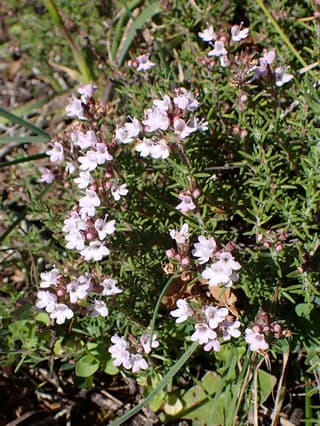
Spanish Thyme
Thymus zygis
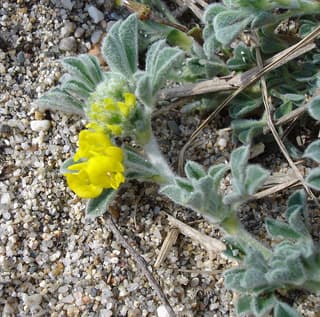
Medick
Medicago
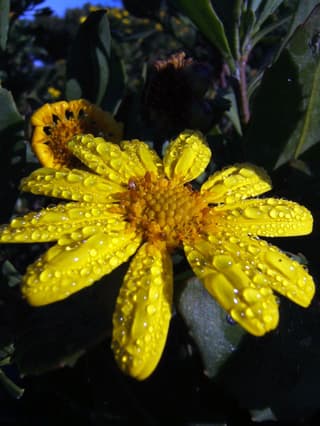
Bietou
Osteospermum moniliferum
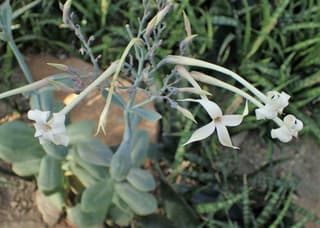
Penwiper Plant
Kalanchoe marmorata
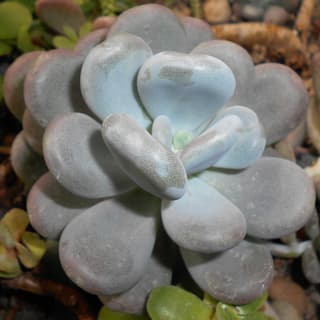
Moonstone Succulent
Pachyphytum oviferum
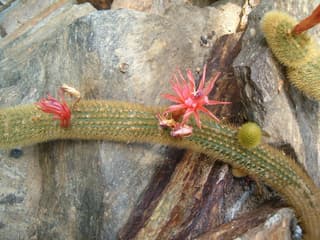
Golden Rat-tail Cactus
Cleistocactus winteri
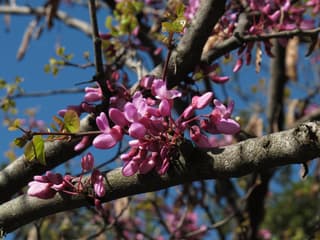
Judas tree
Cercis siliquastrum
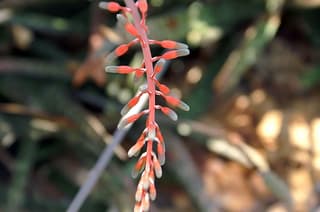
Ox tongue
Gasteria bicolor
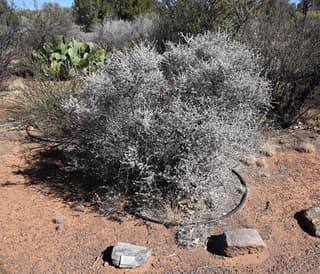
Thunder Cloud Sage
Leucophyllum candidum
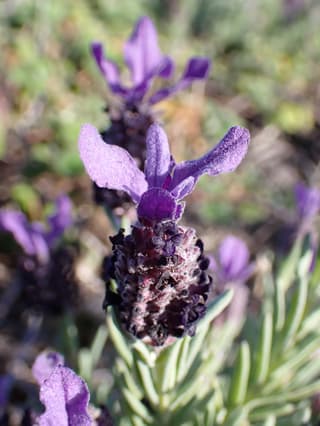
Spanish Lavender
Lavandula stoechas
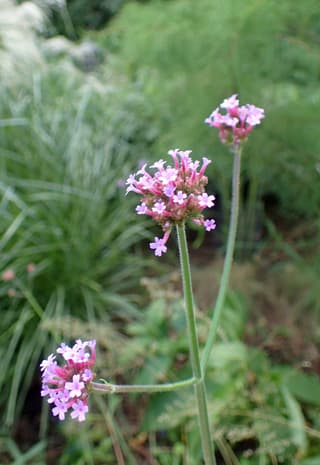
Purpletop Vervain
Verbena bonariensis
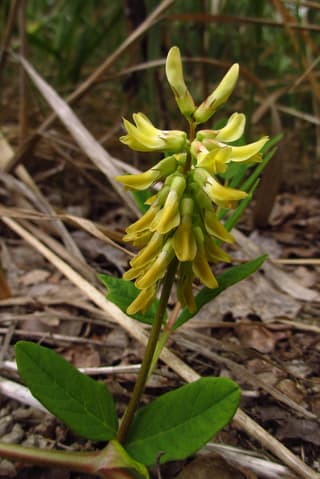
Astragalus
Astragalus
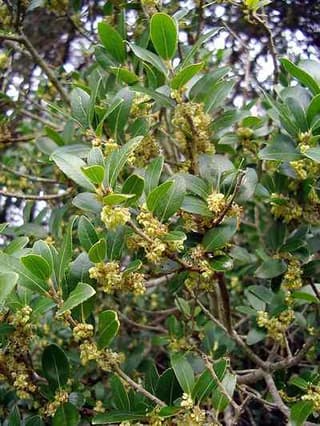
Green Olive Tree
Phillyrea latifolia
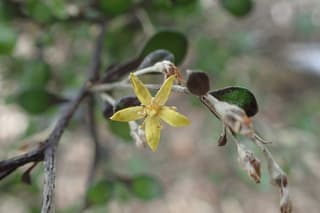
Wire-netting Bush
Corokia cotoneaster
Pinal County Climate for Plant Growing
Pinal County has a climate with an average annual temperature of 22.9°C and average relative humidity of 34.8%. These climate conditions are ideal for various species of ornamental and fruit plants.
Tips for Growing Plants in Pinal County
To succeed in growing plants in Pinal County, consider the average temperature of 22.9°C when choosing your species. The temperate climate allows you to grow a wide variety of species. Water more frequently due to low humidity.
Why Choose Plants Adapted to the Local Climate?
Plants adapted to Pinal County's climate require less care, consume less water, and are more likely to thrive. Our selection considers the compatibility between each species' needs and local climate conditions, including temperature (22.9°C) and humidity (34.8%).