500 Best Plants for Porto Recanati | 2026 Guide - Page 13
Discover the 500 ideal plants for Porto Recanati's climate. Average temp: 16.4°C, Humidity: 73.9%.
Top 500 Plants for Porto Recanati
Showing 433-468 of 500
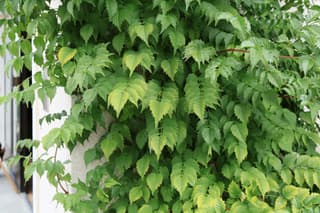
Trumpet Vine
Campsis × tagliabuana
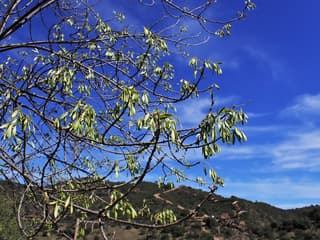
Narrow-leaved Ash
Fraxinus angustifolia
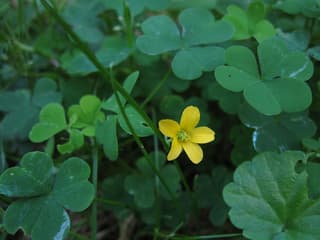
Common Yellow Woodsorrel
Oxalis stricta
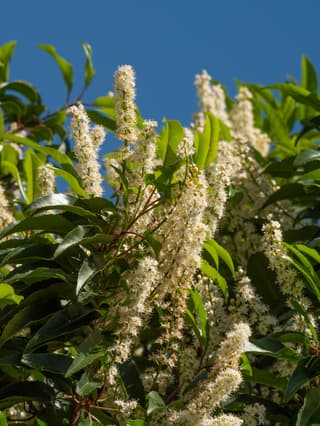
Portuguese Laurel
Prunus lusitanica
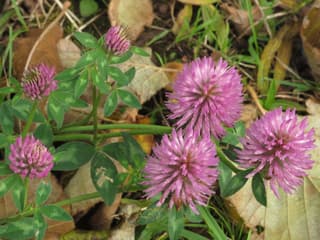
Red Clover
Trifolium pratense
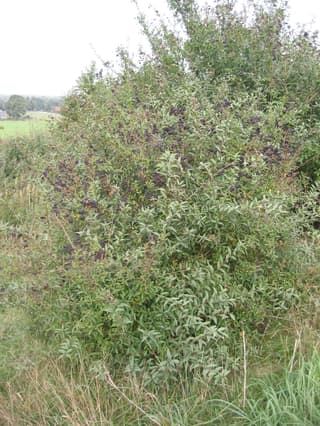
Common Privet
Ligustrum vulgare
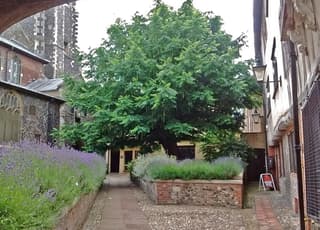
Caucasian Wingnut
Pterocarya fraxinifolia
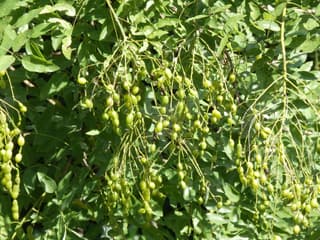
Japanese Pagoda Tree
Styphnolobium japonicum
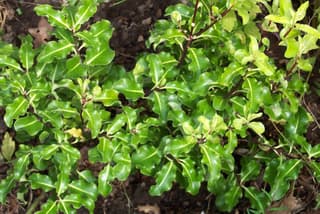
Kohuhu
Pittosporum tenuifolium
Speedwell
Veronica
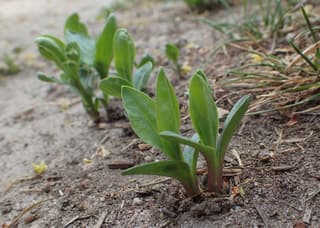
Soapwort
Saponaria officinalis
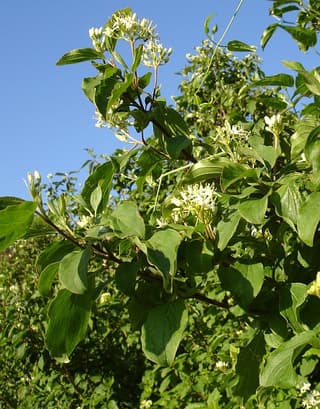
Dogwood
Cornus
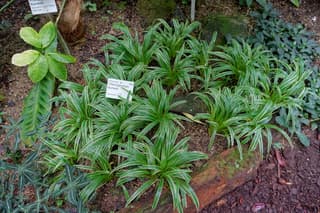
Zebra Grass Spider Plant
Chlorophytum laxum
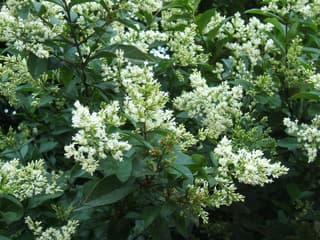
California Privet
Ligustrum ovalifolium
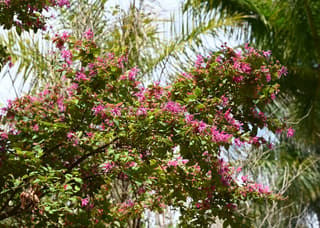
Chinese Fringe Flower
Loropetalum chinense
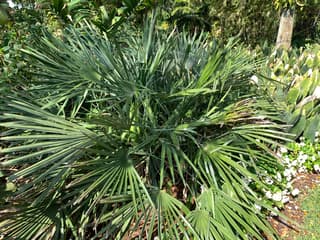
Needle Palm
Rhapidophyllum hystrix
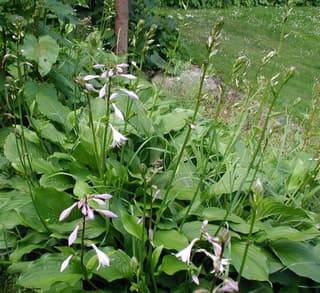
Fortune's Hosta
Hosta fortunei
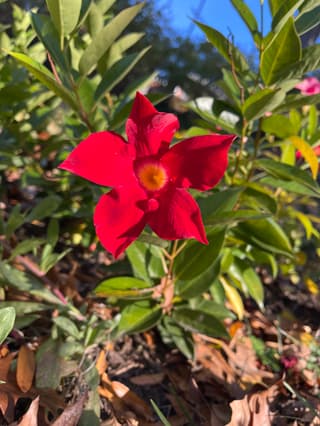
Mandevilla
Mandevilla
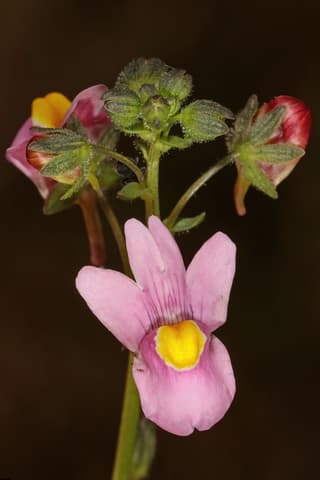
Mauve Nemesia
Nemesia fruticans
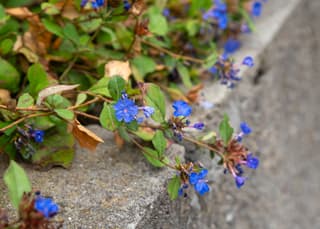
Hardy Plumbago
Ceratostigma plumbaginoides
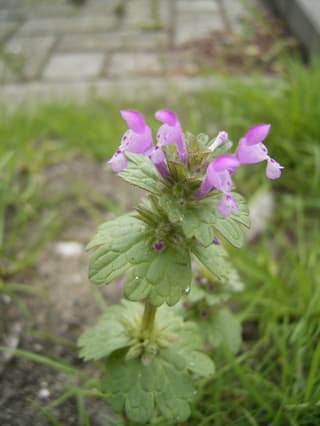
Henbit Dead-nettle
Lamium amplexicaule
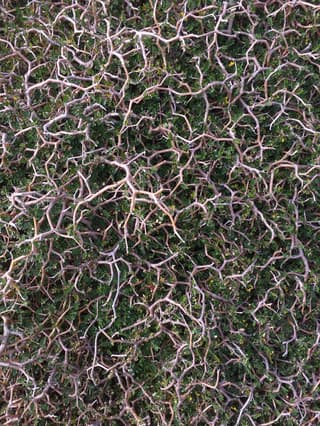
Dwarf Kowhai
Sophora prostrata
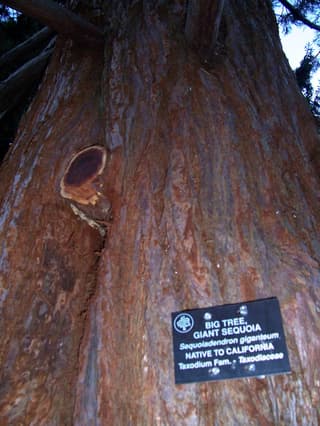
Giant Sequoia
Sequoiadendron giganteum
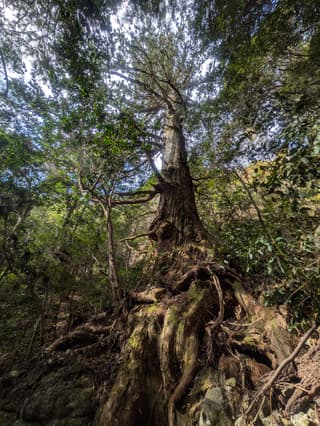
Japanese Cedar
Cryptomeria japonica
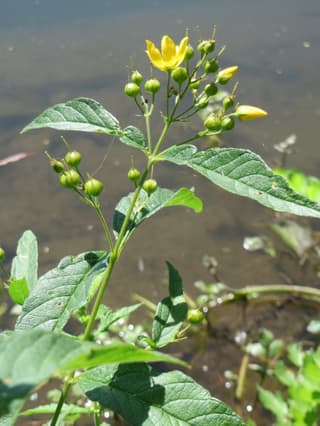
Loosestrife
Lysimachia
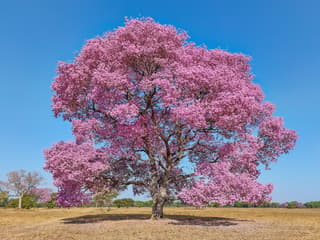
Trumpet Tree
Handroanthus
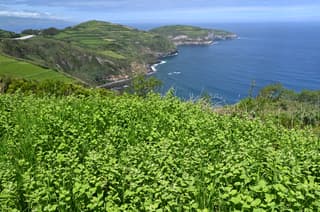
Pineapple Mint
Mentha suaveolens
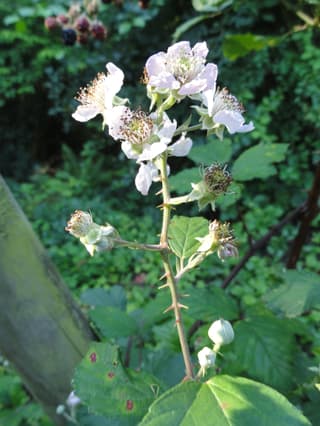
Himalayan Blackberry
Rubus bifrons
Cast Iron Plant
Aspidistra lurida
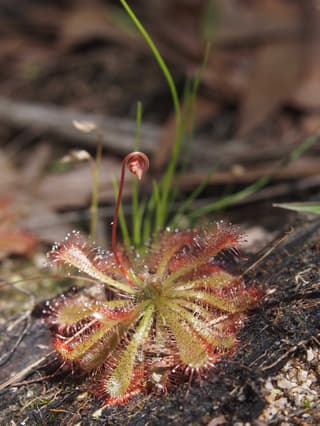
Spoon-leaved sundew
Drosera spatulata
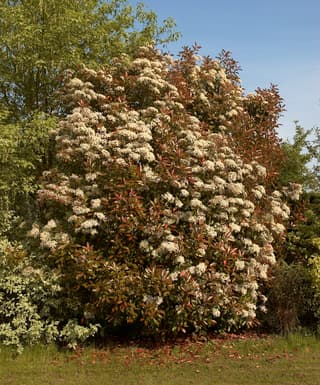
Red Tip Photinia
Photinia × fraseri
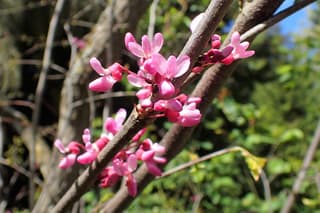
Chinese Redbud
Cercis chinensis
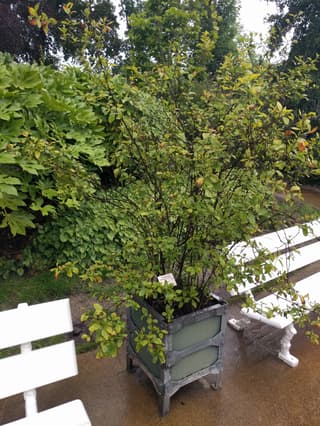
Cape Leadwort
Plumbago auriculata
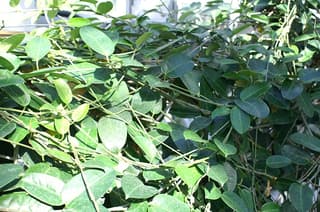
Madagascar Jasmine
Stephanotis floribunda
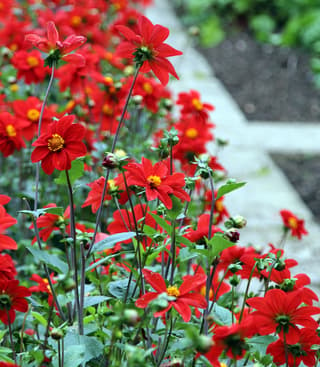
Dahlia
Dahlia
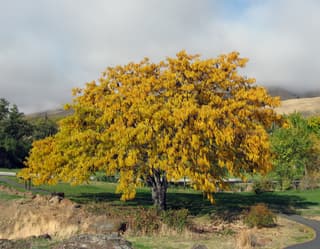
Honey Locust
Gleditsia triacanthos
Porto Recanati Climate for Plant Growing
Porto Recanati has a climate with an average annual temperature of 16.4°C and average relative humidity of 73.9%. These climate conditions are ideal for various species of ornamental and fruit plants.
Tips for Growing Plants in Porto Recanati
To succeed in growing plants in Porto Recanati, consider the average temperature of 16.4°C when choosing your species. Protect cold-sensitive plants during winter. High humidity favors tropical plants, but watch for fungal issues.
Why Choose Plants Adapted to the Local Climate?
Plants adapted to Porto Recanati's climate require less care, consume less water, and are more likely to thrive. Our selection considers the compatibility between each species' needs and local climate conditions, including temperature (16.4°C) and humidity (73.9%).