500 Best Pet Safe for Prince Edward County | 2026 Guide - Page 8
The 500 best pet safe to grow in Prince Edward County. Ideal climate: 9.9°C, 76.4% humidity.
500 Pet Safe for Prince Edward County
Showing 253-288 of 500
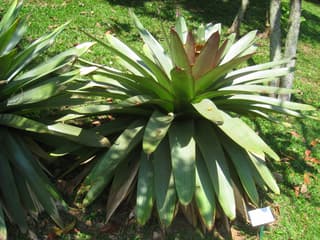
Imperial Bromeliad
Alcantarea imperialis
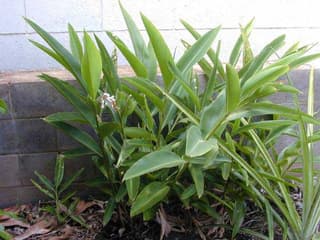
Shell Ginger
Alpinia zerumbet
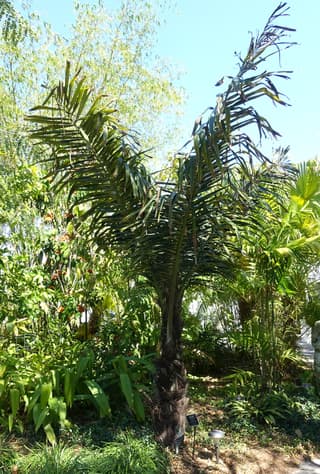
Sugar Palm
Arenga pinnata
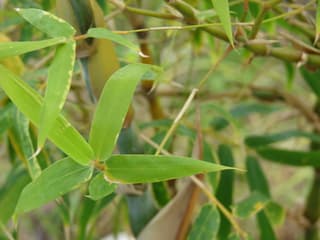
Buddha Belly Bamboo
Bambusa ventricosa
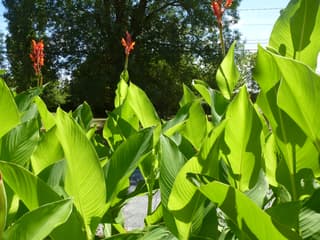
Wild Canna
Canna limbata
Canna Lily
Canna x generalis
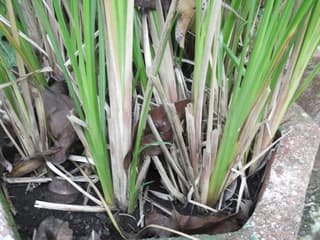
Vetiver
Chrysopogon zizanioides
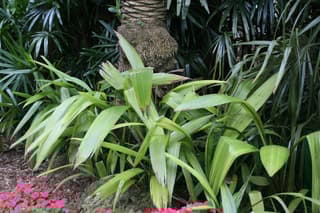
Palm Grass
Curculigo capitulata
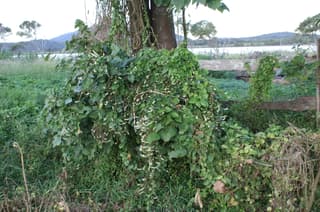
Madeira Vine
Anredera cordifolia
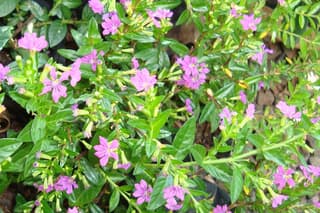
Slender Cuphea
Cuphea gracilis
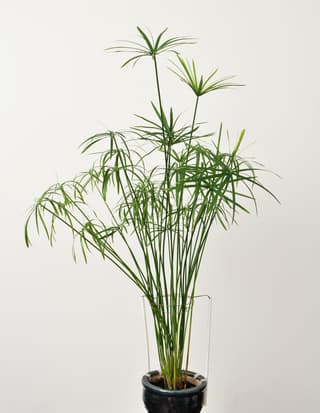
Umbrella Papyrus
Cyperus alternifolius
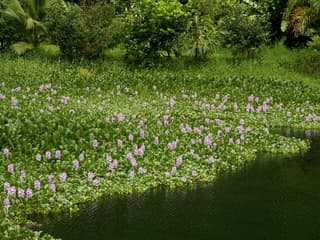
Water Hyacinth
Eichhornia crassipes
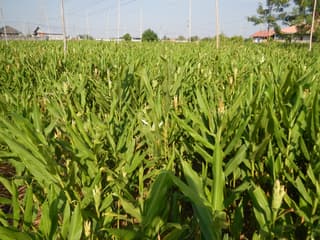
White Ginger Lily
Hedychium coronarium

New Guinea Impatiens
Impatiens hawkeri
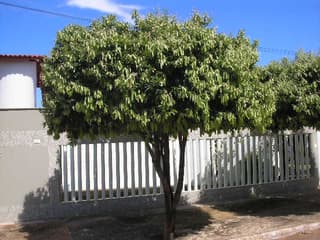
Oiti Tree
Licania tomentosa
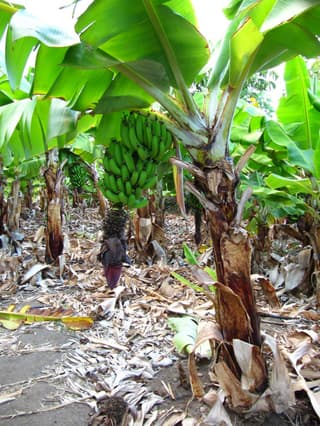
Banana Plant
Musa sp
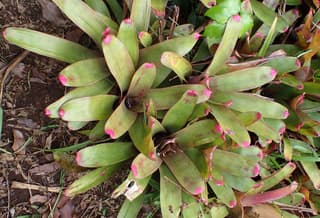
Blushing Bromeliad
Neoregelia sp
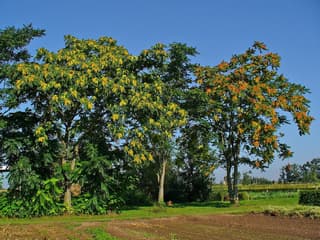
Tree of Heaven
Ailanthus
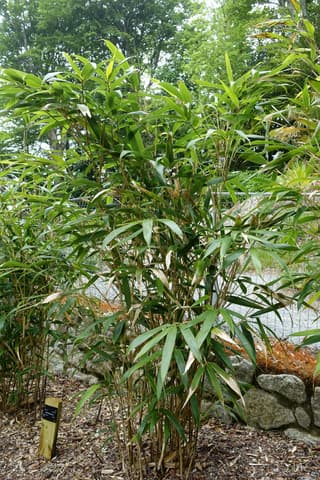
Arrow Bamboo
Pseudosasa japonica
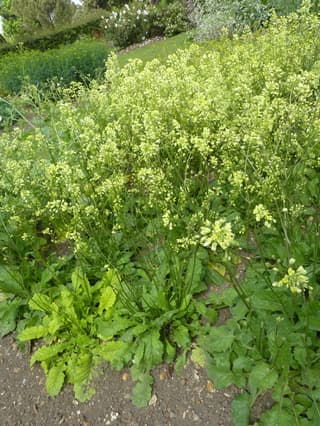
Brassica
Brassica
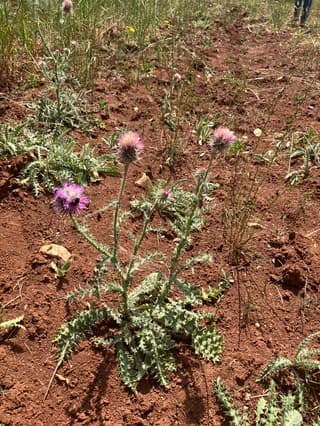
Musk Thistle
Carduus nutans
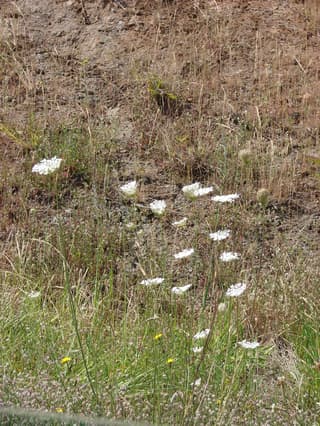
Wild Carrot
Daucus
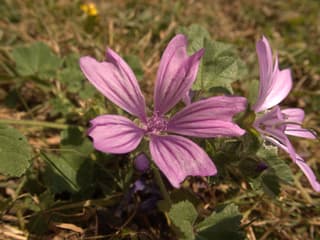
Mallow
Malva
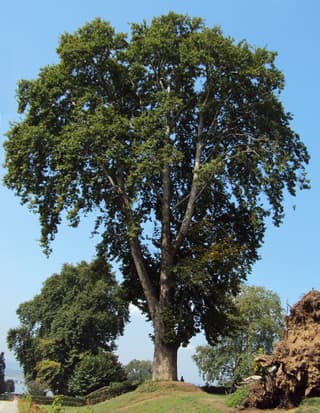
Plane Tree
Platanus
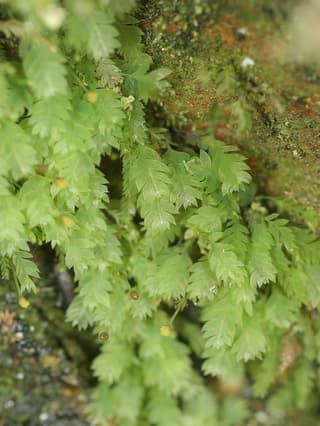
Luminous moss
Schistostega pennata
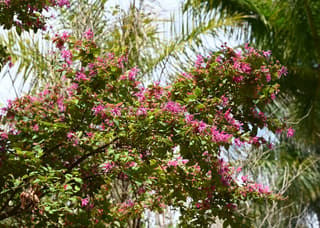
Chinese Fringe Flower
Loropetalum chinense
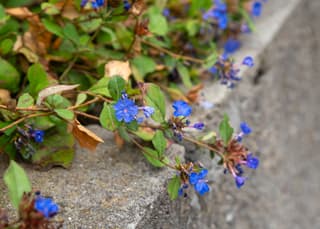
Hardy Plumbago
Ceratostigma plumbaginoides
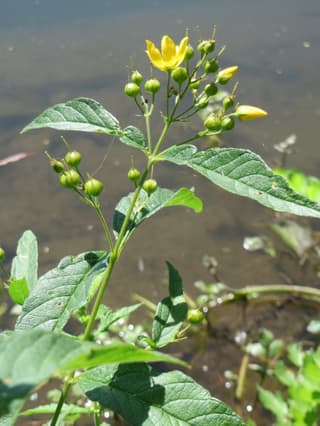
Loosestrife
Lysimachia
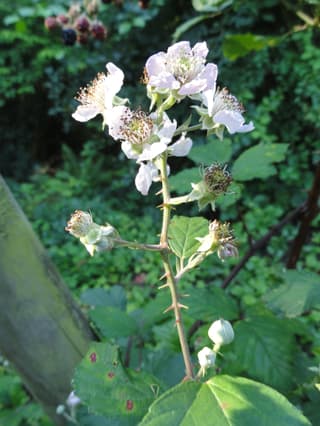
Himalayan Blackberry
Rubus bifrons
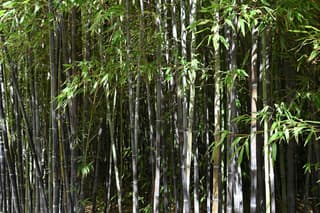
Black bamboo
Phyllostachys nigra

Nice Day Rose
Rosa 'CHEWNICEBELL'
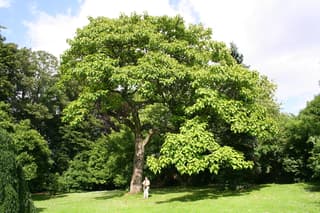
Empress Tree / Princess Tree (genus)
Paulownia
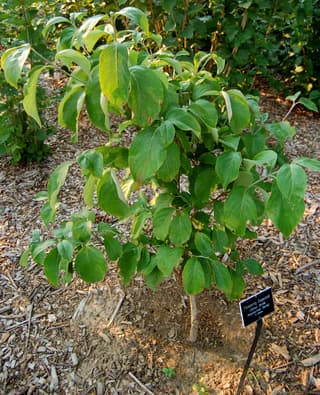
Flowering Dogwood
Cornus florida
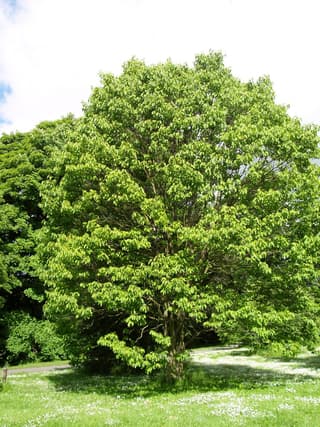
Japanese Raisin Tree
Hovenia dulcis

Field Maple
Acer campestre
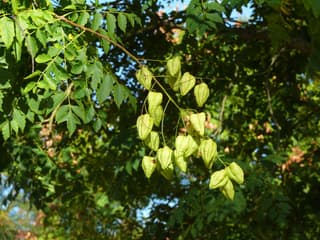
Golden Rain Tree
Koelreuteria paniculata
Ideal Pet Safe for Prince Edward County's Climate
Prince Edward County has an average temperature of 9.9°C and humidity of 76.4%, conditions that directly influence which pet safe best adapt to the local environment.
How to Grow Pet Safe in Prince Edward County
To successfully grow pet safe in Prince Edward County, consider that the average temperature of 9.9°C and humidity of 76.4% create a specific microclimate. High humidity favors tropical species, but requires attention to ventilation to prevent fungal issues.
Advantages of Choosing Adapted Pet Safe
Pet Safe adapted to Prince Edward County's climate show greater resistance, healthy growth, and less need for interventions.