500 Best Pet Safe for Rio Grande da Serra | 2026 Guide - Page 13
The 500 best pet safe to grow in Rio Grande da Serra. Ideal climate: 19°C, 84% humidity.
500 Pet Safe for Rio Grande da Serra
Showing 433-468 of 500
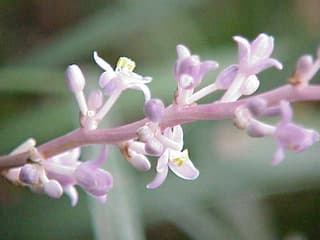
White Lilyturf
Ophiopogon jaburan
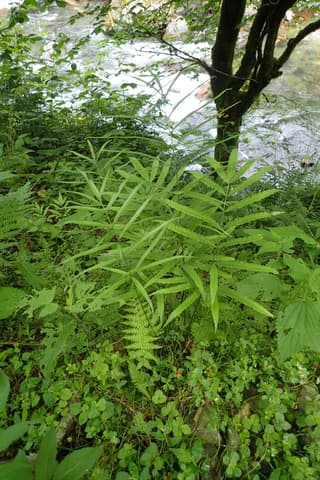
Brake Fern
Pteris
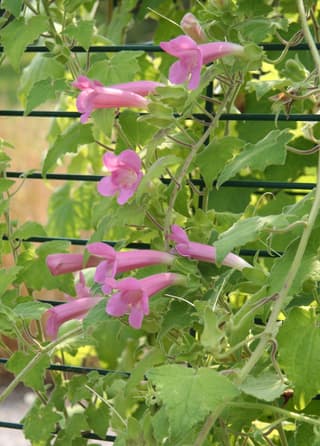
Climbing Snapdragon
Lophospermum erubescens
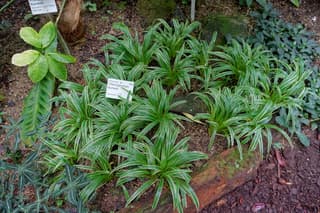
Zebra Grass Spider Plant
Chlorophytum laxum
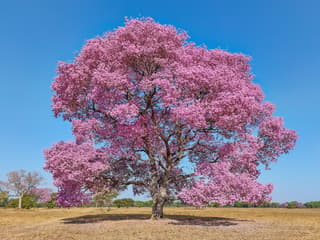
Trumpet Tree
Handroanthus
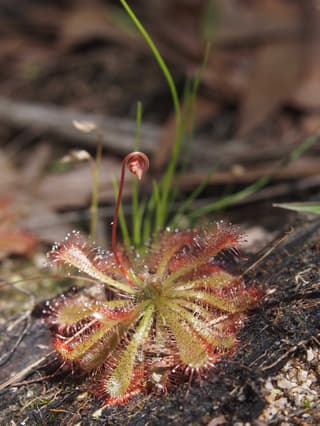
Spoon-leaved sundew
Drosera spatulata
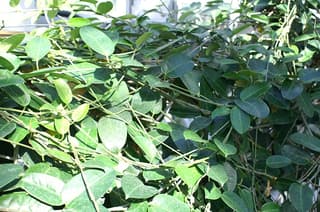
Madagascar Jasmine
Stephanotis floribunda
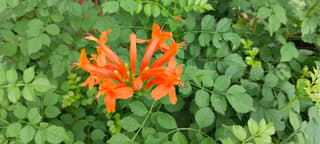
Cape Honeysuckle
Tecoma capensis
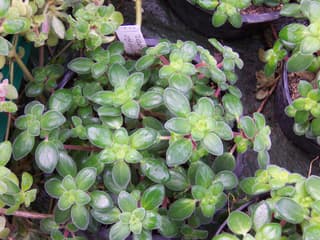
Baby Rubber Plant
Peperomia obtusifolia
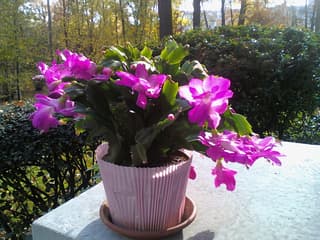
Thanksgiving Cactus
Schlumbergera truncata
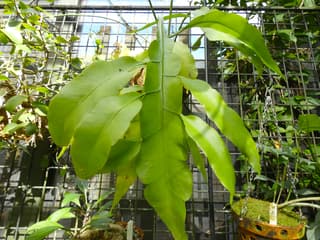
Queen of the Night
Epiphyllum oxypetalum

Noble Dendrobium
Dendrobium nobile
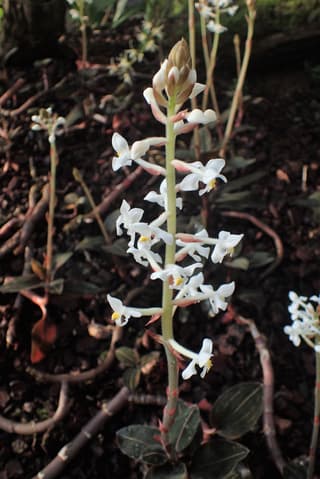
Jewel Orchid
Ludisia discolor
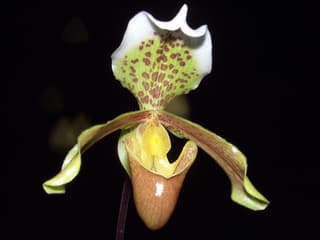
Lady Slipper Orchid
Paphiopedilum insigne
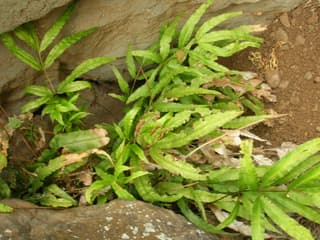
Cretan Brake Fern
Pteris cretica
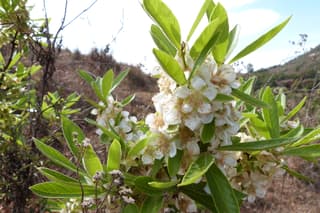
Guabiroba
Campomanesia pubescens
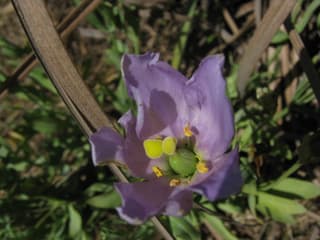
Lisianthus
Eustoma grandiflorum
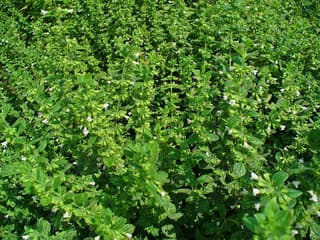
Lemon Balm
Melissa officinalis

Cape Primrose
Streptocarpus
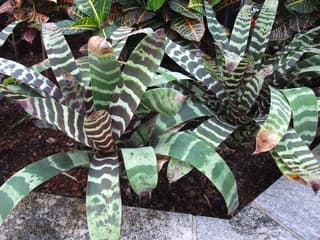
Flaming Sword
Lutheria splendens
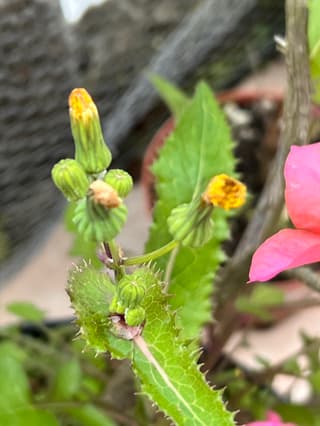
Sow Thistle
Sonchus
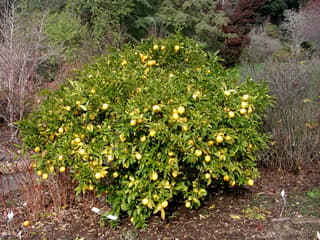
Lemon
Citrus limon
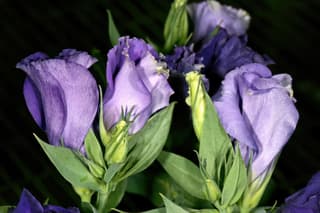
Lisianthus
Eustoma russellianum
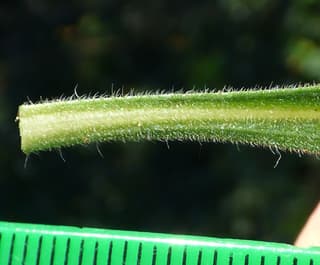
Guernsey Fleabane
Erigeron sumatrensis
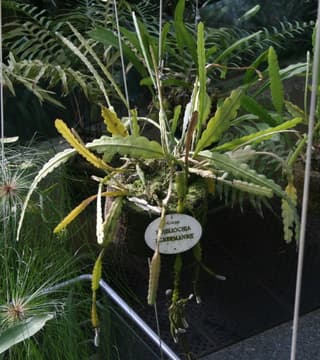
Orchid Cactus
Disocactus
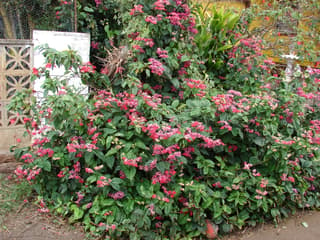
Red Bleeding Heart Vine
Clerodendrum × speciosum
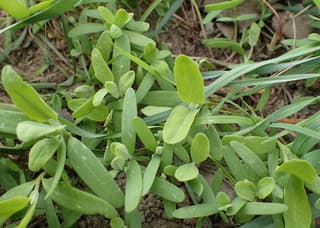
Common Orache
Atriplex patula
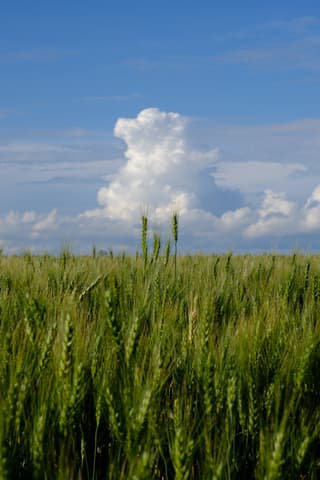
Common wheat
Triticum aestivum
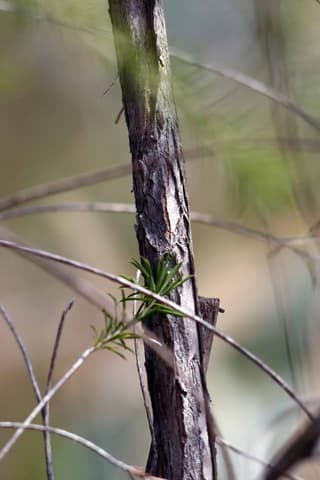
Bracelet Honey Myrtle
Melaleuca armillaris
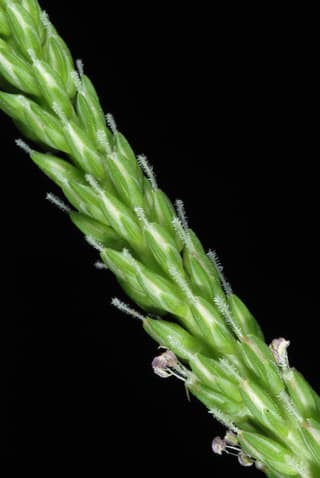
Blackseed Plantain
Plantago rugelii
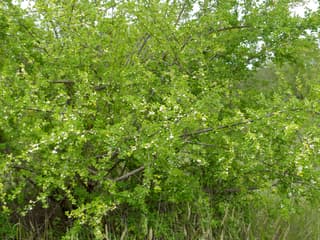
White-Berry Bush
Flueggea virosa
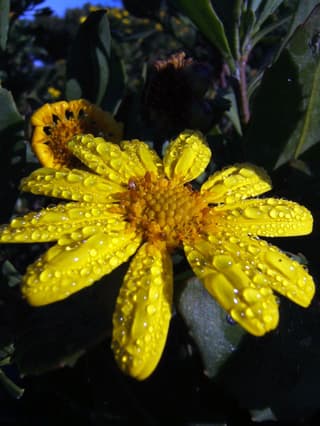
Bietou
Osteospermum moniliferum
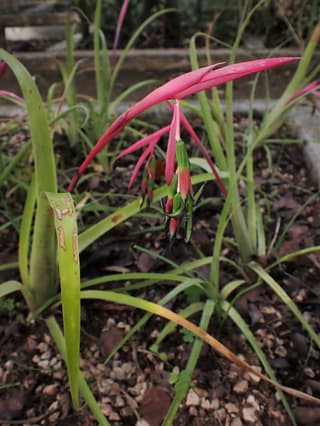
Queen's Tears
Billbergia nutans
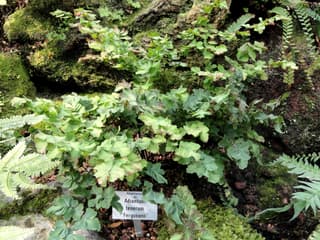
Fan Maidenhair Fern
Adiantum tenerum
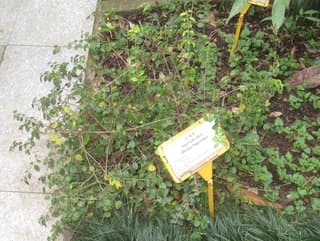
Sweet Plum
Sageretia theezans
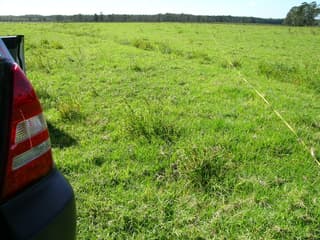
Kikuyu Grass
Cenchrus clandestinus
Ideal Pet Safe for Rio Grande da Serra's Climate
Rio Grande da Serra has an average temperature of 19°C and humidity of 84%, conditions that directly influence which pet safe best adapt to the local environment.
How to Grow Pet Safe in Rio Grande da Serra
To successfully grow pet safe in Rio Grande da Serra, consider that the average temperature of 19°C and humidity of 84% create a specific microclimate. High humidity favors tropical species, but requires attention to ventilation to prevent fungal issues.
Advantages of Choosing Adapted Pet Safe
Pet Safe adapted to Rio Grande da Serra's climate show greater resistance, healthy growth, and less need for interventions.