313 Best Succulents for Santa Isabel | 2026 Guide - Page 6
The 313 best succulents to grow in Santa Isabel. Ideal climate: 20.1°C, 81.5% humidity.
313 Succulents for Santa Isabel
Showing 181-216 of 313
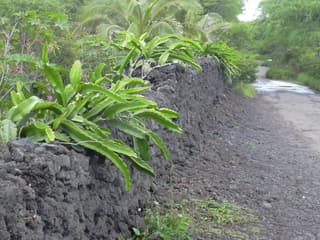
Dragon Fruit
Hylocereus undatus
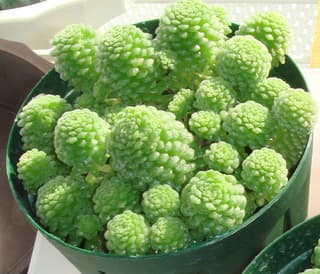
Monanthes polyphylla
Monanthes polyphylla

Blue Spruce Stonecrop
Sedum reflexum
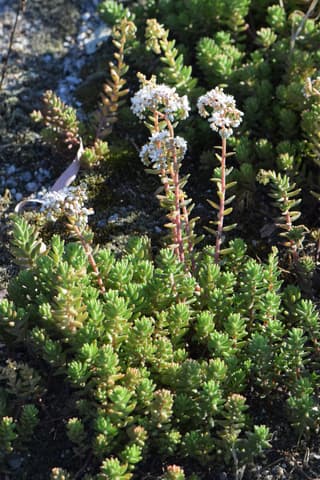
White Stonecrop
Sedum album
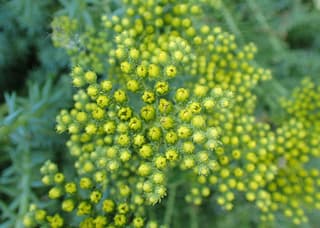
Stonecrop
Petrosedum
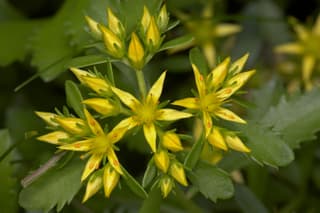
Orange Stonecrop
Sedum kamtschaticum
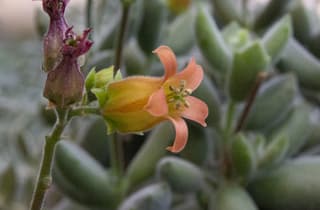
Bear's Paw
Cotyledon tomentosa
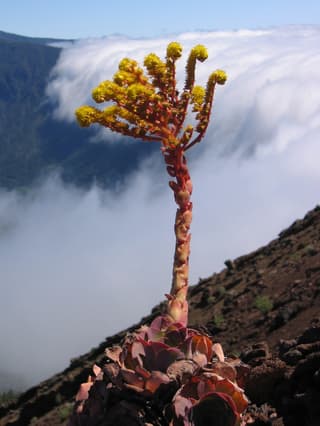
Canary Island Rose
Aeonium aureum
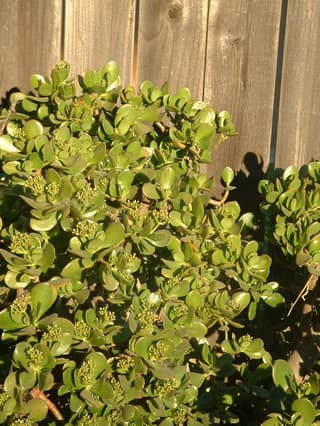
Jade Plant
Crassula ovata
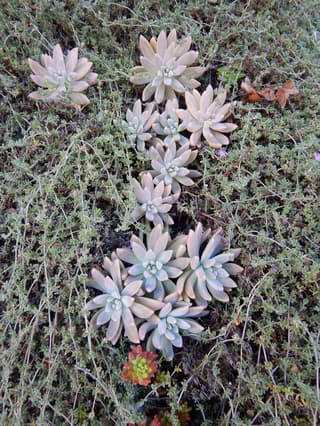
Graptosedum
Graptosedum
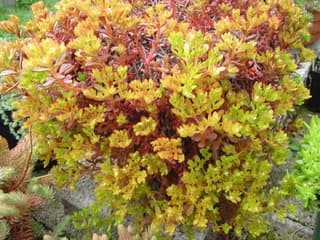
Japanese Stonecrop
Sedum makinoi
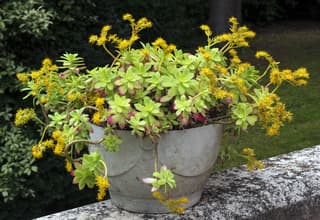
Pacific Stonecrop
Sedum spathulifolium
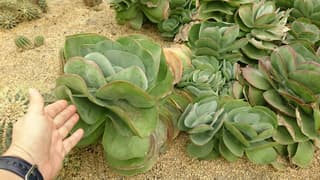
Flapjack Plant
Kalanchoe luciae
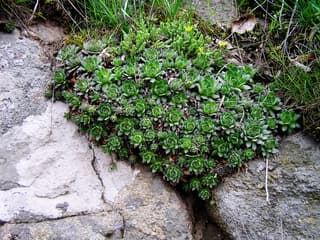
Russian Houseleek
Sempervivum ruthenicum

Sim's Aeonium
Aeonium simsii

Corsican Stonecrop
Sedum dasyphyllum
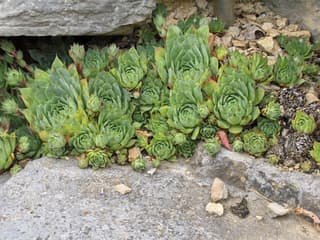
Common Houseleek
Sempervivum tectorum
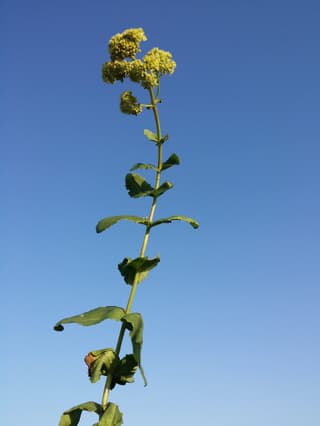
Great Stonecrop
Hylotelephium maximum
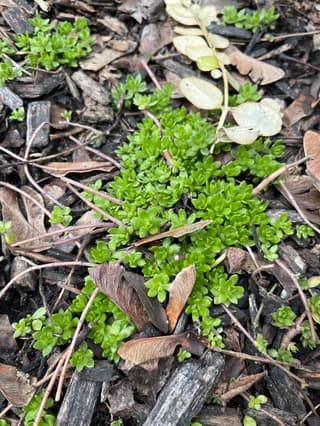
Stringy Stonecrop
Sedum sarmentosum
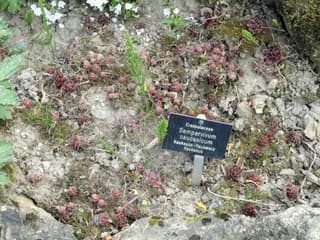
Caucasian Houseleek
Sempervivum caucasicum
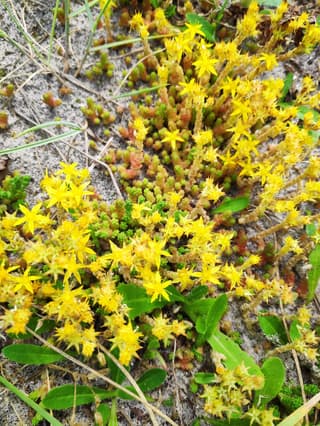
Goldmoss stonecrop
Sedum acre
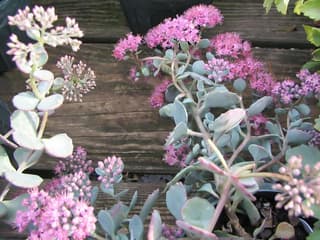
October Daphne
Sedum sieboldii
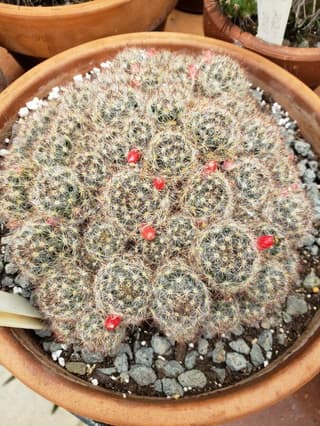
Little Candles
Mammillaria prolifera
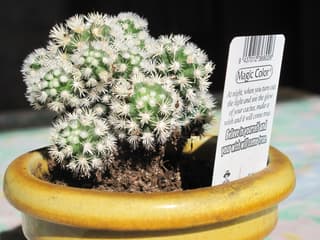
Thimble Cactus
Mammillaria gracilis
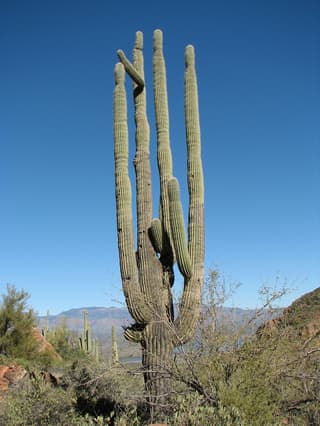
Saguaro
Carnegiea gigantea
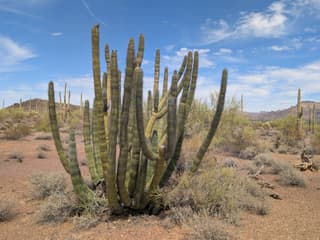
Organ Pipe Cactus
Stenocereus
Verschaffelt Tephrocactus
Tephrocactus verschaffeltii
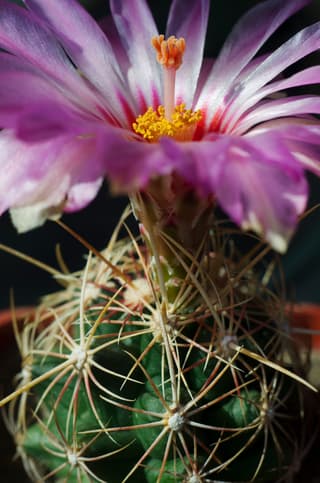
Thelocactus
Thelocactus
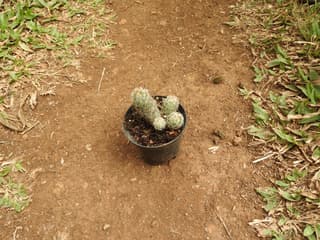
Ladyfinger Cactus
Mammillaria elongata
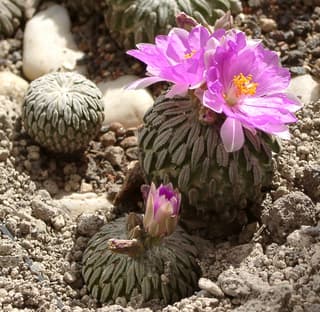
Hatchet Cactus
Pelecyphora
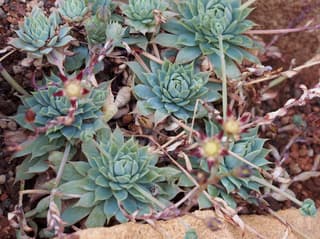
MacDougall's Stonecrop
Graptopetalum macdougallii
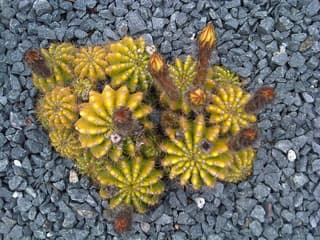
Green Ball Cactus
Echinopsis calochlora
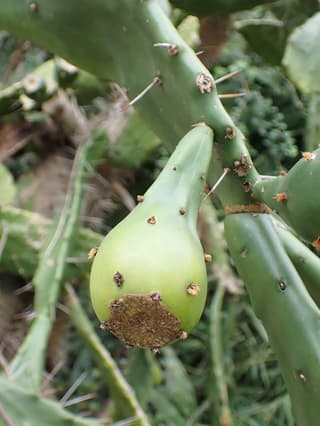
Drooping Prickly Pear
Opuntia monacantha
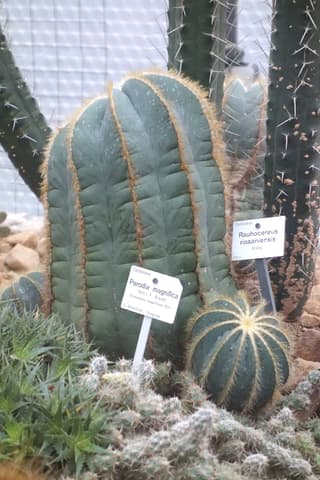
Parodia / Ball Cactus (genus)
Parodia
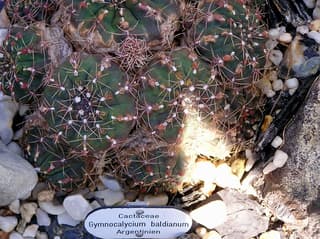
Dwarf Chin Cactus
Gymnocalycium baldianum
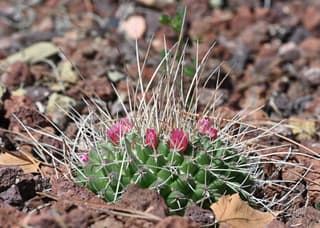
Mother of Hundreds
Mammillaria compressa
Ideal Succulents for Santa Isabel's Climate
Santa Isabel has an average temperature of 20.1°C and humidity of 81.5%, conditions that directly influence which succulents best adapt to the local environment.
How to Grow Succulents in Santa Isabel
To successfully grow succulents in Santa Isabel, consider that the average temperature of 20.1°C and humidity of 81.5% create a specific microclimate. High humidity favors tropical species, but requires attention to ventilation to prevent fungal issues.
Advantages of Choosing Adapted Succulents
Succulents adapted to Santa Isabel's climate show greater resistance, healthy growth, and less need for interventions.